
Sauces & Condiments
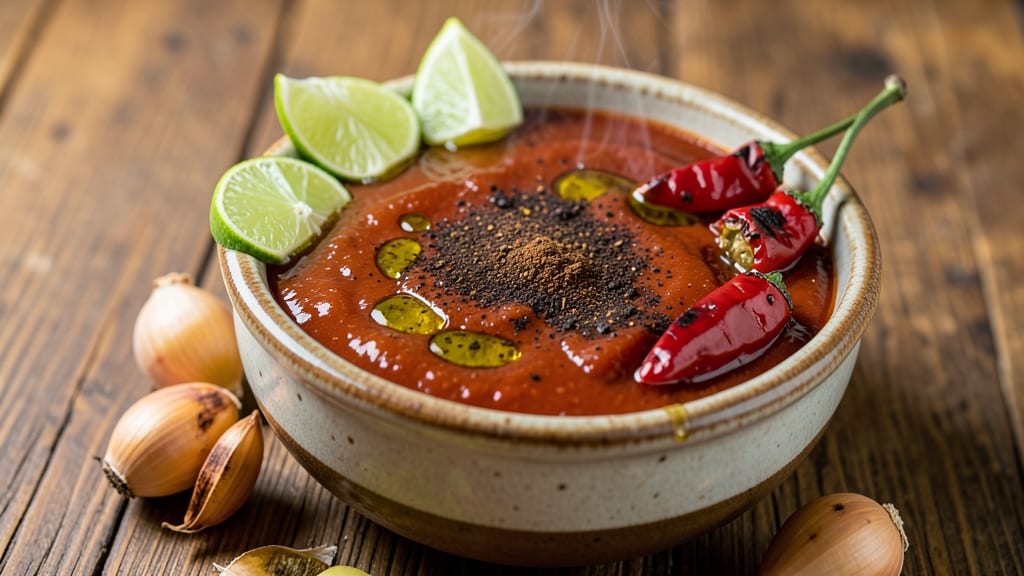
Albert's famous Mexican hot sauce recipe delivers that signature fiery smokiness in just 15 minutes of hands-on time—no fermentation required.
The secret lies in balancing fresh habaneros, garlic, and lime with smoky chipotle powder, creating a sauce that's vibrant, complex, and far more flavorful than anything you'll find in a bottle.
I've perfected this recipe after years of testing, ensuring the perfect heat-to-acidity ratio that makes it versatile enough for tacos, grilled meats, or even cocktails.
What sets this recipe apart is the technique: cooking the peppers and garlic in oil until deeply caramelized before blending with vinegar and lime. This step develops layers of smoky, slightly sweet depth that cuts through the initial heat, making each bite more satisfying.
The sauce also benefits from a quick rest in the fridge, allowing flavors to meld and intensify before use.
By the time you're done, you'll have a bright red, glossy sauce with a perfect balance of heat, tang, and smokiness—ready to elevate any dish.
The recipe yields about 2 cups, enough to stock your pantry for months, and it keeps beautifully in the refrigerator for up to 3 weeks or can be processed for long-term storage.
Whether you're serving up sizzling fajitas or spicing up a batch of homemade wings, this hot sauce delivers professional-level flavor with minimal effort. The best part? You can adjust the heat level to suit your taste by adding more or fewer peppers. Let's get started!
Ingredients for albert's famous mexican hot sauce
Fresh peppers, smoky spices, and tangy vinegar—this is your shortcut to restaurant-quality hot sauce.
| Ingredient | Amount | Notes |
|---|---|---|
| Fresh Habanero Peppers 🌶️ | 4 whole | Stems and seeds removed |
| Garlic Cloves 🧄 | 6 cloves | Peeled, roughly chopped |
| Extra-Virgin Olive Oil 🫒 | ½ cup | High-quality, fruity variety |
| Apple Cider Vinegar 🍏 | ½ cup | Raw, unfiltered preferred |
| Fresh Lime Juice 🍋 | ¼ cup | Strained, no pulp |
| Smoked Chipotle Powder 🌶️ | 2 tbsp | Ground chipotle peppers |
| Cumin Powder 🌿 | 1 tsp | Toasted for deeper flavor |
| Salt 🧂 | 1 tsp | Kosher or sea salt |
| Fresh Cilantro Leaves 🌿 | ¼ cup | Chopped, optional garnish |
| Water 💧 | ¼ cup | For thinning if needed |
The habaneros are the star here, so pick the brightest, firmest ones—the more vibrant the color, the fresher the heat. Trader Joe's and Mexican markets usually carry them year-round, but if you can't find fresh, dried habanero flakes work in a pinch (use half the amount). The chipotle powder? Penzeys or Gourmet Spice Shop have the best quality, but the regular grocery store stuff is fine if it's labeled smoked. Toast your cumin in a dry pan for 30 seconds—it adds a nutty depth that makes all the difference. And don't skip the olive oil: high-quality extra-virgin ensures the sauce won't taste like soap later.
No habaneros? Serrano peppers are your next best bet—they're milder but still pack heat. Running low on lime juice? Fresh lemon juice works, but it'll taste slightly different. Vinegar substitutes? White wine vinegar or rice vinegar both work, but apple cider gives that signature tang. Want to adjust the heat? Add more peppers for extra spice or a pinch of sugar to balance the burn. The cilantro is totally optional—skip it if you're not a fan, but it adds a bright finish that cuts through the smoke. Pro tip: Strain the sauce through a fine-mesh sieve for a silky texture if you're feeling fancy.
This sauce tastes even better after 24 hours in the fridge—let the flavors meld! Store it in a sterilized glass jar with a tight seal. Keeps for 3 weeks in the fridge or 6 months if you process it in a water bath. Freeze in ice cube trays for single-serving portions—just thaw and shake before using. The sauce thickens as it cools, so add water 1 tbsp at a time if it gets too stiff. Trust me, you'll want to make extra—this stuff disappears fast.
Why You'll Love This Recipe
- I’ll be real: the only prep is slicing habaneros and mincing garlic—no dicing, no peeling, no fuss. Those peppers blister right in the pan, and the garlic softens into a sweet, sticky base without a single knife scrape.
- No-Chop Needed: I’ll be real: the only prep is slicing habaneros and mincing garlic—no dicing, no peeling, no fuss. Those peppers blister right in the pan, and the garlic softens into a sweet, sticky base without a single knife scrape.
- Heat That Balances: The lime juice and vinegar cut through the habanero’s fire like a cool breeze, leaving behind a bright, tangy finish. Honestly, it’s the kind of heat that makes you crave more instead of reaching for water.
- Taco Night Every Day: This sauce turns a simple bowl of rice into fiesta-worthy or drizzles over grilled chicken like a dream. I keep a jar in the fridge for when I’m too lazy to make guacamole—it’s my lazy-day secret weapon.
Step-by-step instructions for albert's famous Mexican hot sauce
Here's the method that delivers smoky, fiery heat in record time—no shortcuts, just pure flavor.
Toast the Garlic and Prepare the Peppers
Heat a dry skillet over medium heat and add the 6 cloves garlic cloves. Toast them for 1-2 minutes until they turn golden and release their nutty aroma—don't let them burn. This step builds depth of flavor that raw garlic can't match.
While the garlic toasts, carefully remove the stems and seeds from the 4 whole fresh habanero peppers using a sharp knife. Wear gloves if you're sensitive to heat—those peppers pack a serious punch! Cut them into ¼-inch strips and set aside. The seeds contain the most capsaicin, but we're keeping them for that authentic habanero kick.
Cook the Peppers in Olive Oil
Pour the ½ cup extra-virgin olive oil into a saucepan and heat over medium-low heat until it shimmers. Add the habanero strips and cook for 3-4 minutes, stirring occasionally, until they soften slightly but still retain their shape. You want them to release their oils but not burn—keep an eye on them as they can darken quickly.
Add the toasted garlic cloves to the pan and cook for another 30 seconds until fragrant. Remove from heat and let the mixture cool for 5 minutes. This cooling step is crucial—it prevents the oil from separating later when we add the vinegar.
Blend the Sauce Base
Transfer the pepper-garlic mixture to a blender along with the ½ cup apple cider vinegar and ¼ cup fresh lime juice. Blend on high for 30-45 seconds until completely smooth. The sauce should be vibrant red-orange with a thick, syrupy consistency. If it's too thick, add the ¼ cup water 1 tablespoon at a time until you reach a pourable consistency.
Taste the mixture—you'll notice the raw heat from the habaneros and the bright acidity from the lime. This is your flavor foundation, and it's already packing serious punch. Don't worry if it tastes too strong now—the spices will balance it out.
Season and Simmer
Return the blended sauce to the saucepan and stir in the 2 tablespoons smoked chipotle powder, 1 teaspoon cumin powder, and 1 teaspoon salt. Bring to a gentle simmer over low heat for 5-7 minutes, stirring occasionally. This simmering step allows the spices to bloom and meld with the other flavors.
Watch the sauce closely—it should thicken slightly as the moisture evaporates. If it starts to separate or looks too thick, whisk in a splash of water or lime juice to bring it back together. The sauce should coat the back of a spoon but still be pourable.
Finish and Garnish
Remove the sauce from heat and let it cool for 10 minutes. This resting period allows the flavors to fully develop and the sauce to reach its perfect consistency. Once cooled, stir in the ¼ cup chopped fresh cilantro leaves—this adds freshness that cuts through the heat and smokiness.
Taste again and adjust the seasoning if needed. You might want to add a pinch more salt or a splash of lime juice to balance the flavors. Transfer the sauce to clean bottles or jars and let it sit at room temperature for 24 hours before using. This aging process deepens the flavors and mellows some of the raw heat.
Pro Tips For Making Albert'S Famous Mexican Hot Sauce
- CHAR THE PEPPERS RIGHT: Start with a dry skillet over medium-high heat—no oil yet. Let the habaneros blacken in spots before adding olive oil, or they’ll steam instead of caramelize. I learned this the hard way when my first batch tasted dull because I rushed the char.
- PEEL GARLIC AFTER COOKING: Toss the peeled garlic cloves into the pan with the peppers while they’re still hot. The residual heat will soften them in seconds, then smash them with a wooden spoon for maximum flavor. Skipping this step means you’ll end up with raw, harsh garlic bits.
- STRAIN THE OIL TWICE: After blending, pour the sauce through a fine-mesh sieve into a bowl, then strain it again through a clean cheesecloth or coffee filter. This removes every last bit of pulp, giving you a silky, restaurant-quality sauce. Trust me, your mouth will notice the difference.
- LET THE VINEGAR INFUSE: Don’t just dump the apple cider vinegar and stir—let the hot sauce sit with the vinegar for at least 10 minutes before tasting. The acid needs time to meld with the peppers and garlic, or you’ll get a sharp, unbalanced burn. Patience here makes all the difference.
Wine and beer pairings for these flavors
Mexican Lager Pairings
Nothing complements this fiery sauce like a crisp Mexican lager, which cools the palate and enhances its smoky depth. I reach for Modelo Especial or Pacífico Clara—their light, refreshing profiles balance the heat without overpowering.
The subtle citrus notes in these beers actually mirror the lime in the sauce, creating a harmonious marriage. Serve both chilled to 40°F for the perfect contrast. 🍺
Spicy Margarita Cocktails
Turn your hot sauce into a spicy margarita by adding 1 tablespoon per drink to a classic recipe. The sauce replaces traditional lime juice and adds a bold kick that pairs beautifully with tequila reposado like Espolón or Don Julio.
Garnish with a lime wedge and a sprinkle of smoked salt for an extra layer of complexity. This cocktail is perfect for sipping alongside tacos or grilled meats.
Smoky Mezcal Pairing
For a more adventurous match, serve the sauce with mezcal—its natural smokiness amplifies the chipotle notes in the sauce. I love pairing it with Montelobos or Del Maguey Vida mezcal, both of which have rich, earthy flavors.
Sip slowly, as the mezcal’s complexity stands up to the sauce’s heat while adding a smoky depth that feels intentional. 🔥
White Wine Contrast
If you prefer wine, a dry, crisp white like Verdejo or Albariño works surprisingly well. The acidity in these wines cuts through the sauce’s heat, while their mineral notes complement the smoky chipotle.
Chill to 45°F and serve in small sips to cleanse the palate between bites. Avoid oaky whites—they’ll clash with the sauce’s bright, tangy profile.
Non-Alcoholic Options
For a non-alcoholic pairing, try sparkling lime soda like Jarritos Lime or Topo Chico with a splash of the hot sauce. The effervescence cools the heat, while the lime enhances the sauce’s brightness.
For a savory option, serve with queso fresco and warm tortillas—the creamy cheese balances the sauce’s acidity perfectly. 💫
Nutrition facts
Frequently asked questions
Can I substitute serrano peppers for habaneros?
Yes, but expect a milder heat level. Use 6-8 serrano peppers instead of 4 habaneros to match the intensity, since serranos have about half the capsaicin. For a balanced flavor, reduce the chipotle powder to 1.5 tablespoons—the extra pepper volume will compensate.
Why does my sauce look oily and separate?
This happens when vinegar is added to hot oil before cooling. Always let your pepper-oil mixture cool for 5 minutes before blending with vinegar. If separation occurs, whisk vigorously or blend briefly to re-emulsify. Adding 1 teaspoon cornstarch to the saucepan before simmering can also help stabilize the texture.
How do I adjust the heat level?
For less heat, remove pepper seeds before chopping and reduce habaneros to 2-3 peppers. For extra spice, add 1 extra habanero or ½ teaspoon cayenne powder. Remember: the chipotle powder already contributes smoky heat, so adjust it last. Taste as you go—heat builds gradually during simmering.
Can I make this sauce without a blender?
Finely chop the peppers and garlic with a knife, then mash them in a bowl with a potato masher. Strain through a fine-mesh sieve to remove any remaining chunks. The texture will be slightly chunkier but still delicious. For smoother results, pulse in a food processor instead of blending continuously.
How long should I age the sauce?
The flavors develop best after 24-48 hours in the fridge. This resting period allows the spices to mellow and the acidity to balance. For deeper flavor, age up to 1 week, but don't exceed this—prolonged aging can make the vinegar taste harsh. Stir occasionally to redistribute settled oils.