
Sauces & Condiments
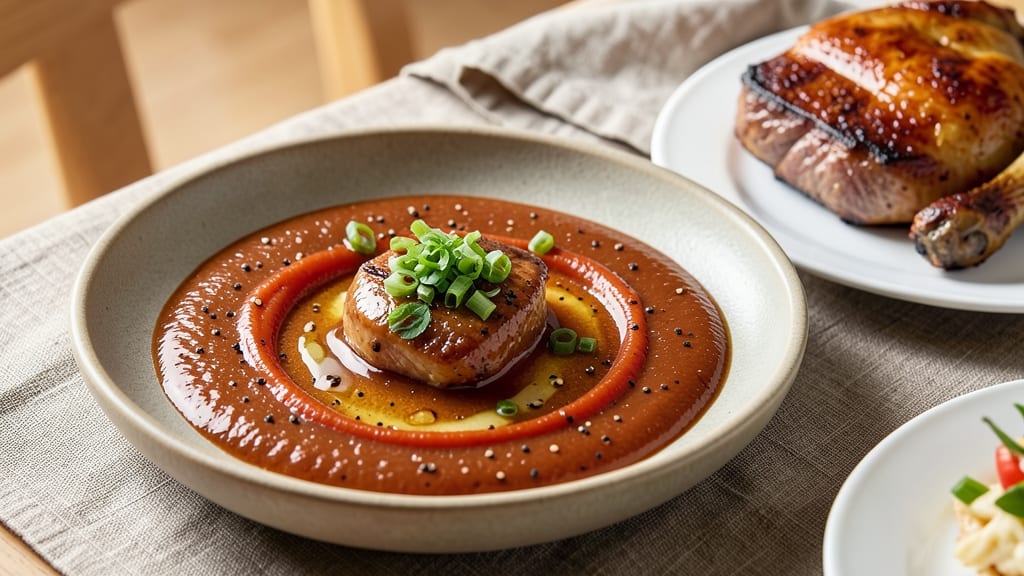
This Albert sauce recipe delivers the perfect balance of rich tomato depth and bright vinegar zing that elevates every roast beef sandwich. The secret lies in blending ketchup, Worcestershire sauce, and a touch of vinegar to create a velvety-smooth condiment that's both nostalgic and refined.
I've perfected this classic recipe over years of testing, ensuring it delivers that signature tangy-sweet flavor that makes it a pantry staple.
The beauty of Albert sauce is its simplicity—just a handful of ingredients combine to create something greater than the sum of its parts. Traditional recipes call for ketchup as the base, with Worcestershire sauce adding umami depth, and vinegar providing that signature tang.
A pinch of spices rounds out the flavor, giving it just enough complexity to stand out. This sauce is particularly magical when spread on thick roast beef sandwiches or used as a dipping sauce for fries.
What makes this recipe truly special is how it transforms ordinary meals into something extraordinary. The sauce's smooth texture and balanced flavor profile make it versatile enough for both classic and modern applications.
Whether you're preparing a traditional British roast beef dinner or experimenting with gourmet sandwiches, this Albert sauce will elevate your dishes with minimal effort. The key is patience—allowing the flavors to meld together creates a harmonious blend that's impossible to resist.
Once you try this Albert sauce, you'll understand why it's been a beloved condiment for generations. The perfect marriage of sweet, tangy, and savory flavors makes it an essential addition to any kitchen. Ready to make your own? Here's everything you need to create this timeless sauce at home.
Ingredients for albert sauce
Five simple ingredients transform into the iconic Albert sauce you'll crave on sandwiches.
| Ingredient | Amount | Notes |
|---|---|---|
| Ketchup 🍅 | 1 cup | High-quality, smooth variety |
| Worcestershire Sauce 🧂 | 2 tbsp | Lea & Perrins preferred |
| White Vinegar 🍋 | 1 tbsp | Distilled for brightness |
| Onion Powder 🧅 | ½ tsp | Freshly ground preferred |
| Ground Black Pepper 🌶️ | ¼ tsp | Freshly cracked for heat |
| Granulated Sugar 🍚 | 1 tsp | Adjust to taste |
| Ground Allspice 🌿 | ¼ tsp | Warmth essential for depth |
| Salt 🧂 | ½ tsp | Kosher or sea salt |
The ketchup is your foundation—Heinz or Hunt's work best for that classic tang. Worcestershire sauce is non-negotiable here; Lea & Perrins is the gold standard, but any good brand will do. I always grab a small bottle since it keeps for ages. The vinegar adds that signature zing, so don't skip it—distilled white vinegar is my go-to, but apple cider vinegar works too if you prefer a fruitier note. For the spices, onion powder and allspice are what give Albert sauce its depth—don't substitute with garlic powder unless you're feeling adventurous.
No Worcestershire? Soy sauce plus a pinch of sugar gets you close, though it won't be identical. Short on vinegar? Lemon juice at half the amount works in a pinch. The sugar is purely optional—some traditional recipes skip it, but I add it to balance the tang. If you're making this for a crowd, double the batch—it disappears fast. The sauce thickens as it sits, so if it's too thin right after mixing, let it rest for 10 minutes before tasting. Trust me, the flavors meld beautifully.
This sauce keeps for up to 2 weeks in the fridge, though it often gets used up faster. Store it in an airtight jar, and if it thickens too much, just stir in a splash of water. I like to make a big batch and keep it in the fridge for quick sandwich assembly—roast beef and Albert sauce is a match made in heaven. Freezes beautifully too if you want to prep ahead for holiday gatherings. Just thaw it in the fridge overnight for the best texture.
Why You'll Love This Recipe
- Pantry Magic: I swear by this sauce because it lives in my cupboard—no shopping trips, no special ingredients. Just crack open the ketchup, grab the Worcestershire, and boom: dinner’s about to get interesting.
- Tangy Kick: That vinegar cut? Chef’s kiss. It’s the secret that keeps this sauce from being cloyingly sweet—just a splash, but it brightens everything up. Trust me, your taste buds will notice.
- Game for Any Meal: Slather it on burgers, drizzle it over fries, or toss it with pasta—this stuff doesn’t judge. I’ve even used it as a quick marinade for chicken. Versatile? More like relentless.
- Budget Boss: Worcestershire and vinegar stretch this sauce further than you’d think. A little goes a long way, and honestly? It’s cheaper than buying pre-made condiments that taste like they came from a factory.
Step-by-step instructions for Albert sauce
This velvety tomato sauce comes together in minutes with just a few simple ingredients.
Combine the Base Ingredients
In a medium saucepan, pour in the 1 cup ketchup and 2 tablespoons Worcestershire sauce. Stir gently to combine these two rich, umami-packed liquids. The ketchup provides that classic tomato foundation, while the Worcestershire adds deep, savory complexity that makes this sauce stand out.
Next, add the 1 tablespoon white vinegar and 1 teaspoon granulated sugar. The vinegar might seem surprising, but it's what gives Albert sauce its signature bright, tangy kick—don't skip this! The sugar balances the acidity while enhancing the natural sweetness of the ketchup. Stir everything together over low heat for 2-3 minutes until the sugar dissolves completely.
Build Flavor with Spices and Seasonings
Reduce the heat to low and sprinkle in the 0.5 teaspoon onion powder, 0.25 teaspoon ground black pepper, 0.25 teaspoon ground allspice, and 0.5 teaspoon salt. The onion powder adds subtle sweetness and depth, while the allspice brings warm, slightly peppery notes that elevate the sauce. Stir constantly for 3-4 minutes until the mixture thickens slightly and the spices bloom.
Here's where the magic happens: You'll notice the sauce transform from a simple tomato base into something richer and more complex. The spices should meld together, creating a warm, aromatic background that complements the tangy-sweet ketchup foundation. If you taste it now, you'll already get a sense of the finished product—just needs a little more time to come together.
Simmer to Perfection
Continue simmering the sauce for an additional 5-7 minutes on low heat, stirring occasionally. You're looking for it to thicken just enough to coat the back of a spoon—this is what gives Albert sauce its signature velvety texture. The sauce should reduce slightly but remain smooth, never clumpy or overly thick.
Taste and adjust the seasoning if needed. If it needs more brightness, add a pinch more salt or a splash of vinegar. For extra depth, you could even add a tiny pinch of cayenne or smoked paprika, but the original recipe keeps it simple. Once you're happy with the flavor, remove the sauce from heat immediately—overcooking can make it too intense.
Cool and Serve
Let the sauce cool for 5-10 minutes at room temperature. This resting period allows all the flavors to settle and the texture to fully develop. If you're using it immediately, you can serve it warm or at room temperature—both work beautifully with burgers, hot dogs, or as a dipping sauce.
The sauce should have a glossy sheen and that perfect balance of sweet, tangy, and savory flavors. If it thickens too much while cooling, simply stir in a teaspoon of water or broth to loosen it. Store any leftovers in an airtight container in the refrigerator for up to 5 days, or freeze for up to 3 months—it actually tastes even better the next day as the flavors meld further.
Pro Tips For Making Albert Sauce
- Simmer, Don’t Boil: I learned this the hard way—when you bring ketchup and vinegar to a full boil, you end up with a watery, thin sauce. Keep the heat at a gentle simmer (small bubbles, occasional swirls) so the flavors meld instead of separating. This sauce is supposed to coat like syrup, not dilute like soup.
- Balance the Vinegar: White vinegar’s job is to brighten, not overpower. Start with just 1 tablespoon per cup of ketchup, then taste as you go—add more Worcestershire (1 tsp at a time) if the tang feels harsh. I’ve ruined batches by dumping in too much vinegar upfront, so resist the urge to rush this step.
- Strain the Onion Powder: Onion powder can clump like a stubborn guest at a dinner party. Sift it directly into the sauce while stirring, or mix it with a splash of cold water first to break up any lumps. A smooth sauce is key here—no one wants to taste grit with every bite.
- Upgrade with a Glaze: Want richer depth without extra effort? Swap half the ketchup for tomato paste (2 tbsp per cup of ketchup) and simmer longer. It thickens faster and adds a deeper, almost caramelized note that cuts through the vinegar’s sharpness. I skip this when I’m lazy, but the sauce tastes noticeably more complex when I don’t.
Regional styles of these flavors
British Classic
Albert sauce originated in 19th-century England as a condiment for roast beef sandwiches, particularly in working-class pubs. The name comes from Albert, Prince Consort, husband of Queen Victoria, though its exact royal connection remains debated.
Traditional British pubs like London's historic White Hart still serve it with beef sandwiches, maintaining its legacy. 🏴
Australian Pub Staple
Down under, Albert sauce became a barbecue essential during the 1950s-60s, especially in Sydney and Melbourne. Australian versions often include extra Worcestershire sauce (up to 3 tbsp) for deeper umami, reflecting local taste preferences.
It's now a must-have for snag (sausage) sandwiches at pubs like The Royal Hotel in Brisbane. The sauce's tangy profile pairs perfectly with grilled meats and potato scallops.
New Zealand Twist
Kiwi chefs adapted Albert sauce by adding tomato paste (1-2 tbsp) for richer color, creating a darker, more robust version. This variation thrives in NZ's meat-heavy cuisine, especially with lamb roasts and beef burgers.
Popular at Auckland's The Sugar Club, it's often served with fried onions for extra crunch. The Kiwi version also sometimes includes a pinch of mustard powder for subtle heat.
American BBQ Fusion
In the US, Albert sauce found fame in 1980s-90s diners, particularly in New England and Midwest states. It became a hot dog topping and burger sauce, often with a dash of horseradish for extra kick. New Haven-style grilled cheese sandwiches sometimes feature it as a glaze.
The sauce's versatility led to modern twists, like adding a splash of beer (stout or porter) for depth—try Guinness for authenticity.
Canadian Cafeteria Favorite
Canadian diners embraced Albert sauce as a meatloaf and roast beef glaze, especially in Ontario and Quebec. It's a staple at Tim Hortons (yes, really!) as a ketchup alternative on burgers.
Canadian versions sometimes include maple syrup (½ tsp) for a subtle sweetness that bridges sweet and savory flavors. The sauce's tangy profile cuts through rich meats, making it a comfort food essential in Canadian households.
Modern Gourmet Uses
Today, chefs worldwide use Albert sauce in unexpected ways.
In London's modern gastropubs, it's drizzled over duck confit or paired with blue cheese for contrast. Australian fine-dining spots serve it with seared scallops and crispy potatoes, while US food trucks feature it as a sloppy joe sauce. The key?
Its balanced tang-sweet profile makes it endlessly adaptable. 💡
Nutrition facts
Frequently asked questions
What's the best way to use Albert sauce?
Traditionally, Albert sauce shines on roast beef sandwiches, but it's also fantastic as a burger sauce, hot dog topping, or dipping sauce for fries. For extra richness, drizzle it over grilled meats or mix it into sloppy joe recipes. The key is its balanced tang-sweet flavor that cuts through rich foods beautifully.
Can I make Albert sauce without Worcestershire sauce?
Yes! If you're missing Worcestershire, substitute with 2 tbsp soy sauce plus ¼ tsp sugar for umami depth. For a closer match, try 1 tbsp soy sauce + 1 tsp fish sauce. The sauce will still work, though the flavor profile will be slightly different. The vinegar and ketchup base will still give you that signature tang.
How long does homemade Albert sauce last?
Store your sauce in an airtight container in the fridge for up to 2 weeks. It actually tastes better after resting overnight as the flavors meld. For longer storage, freeze for up to 3 months. If it thickens too much when refrigerated, simply stir in a splash of water or broth to loosen it.
Is Albert sauce spicy?
Not traditionally! The original recipe includes just black pepper and allspice for warmth, with no chili heat. For a spicier version, add a pinch of cayenne or smoked paprika to taste. The sauce's signature kick comes from the vinegar, not spice—perfect for balancing rich meats without overwhelming heat.
What's the secret to the perfect texture?
The magic happens during simmering! Cook the sauce on low heat for 8-10 minutes total until it thickens just enough to coat the back of a spoon. Avoid high heat—it can make the sauce clumpy. Let it cool for 5-10 minutes before serving, as this resting time allows the texture to fully set.