
Sauces & Condiments
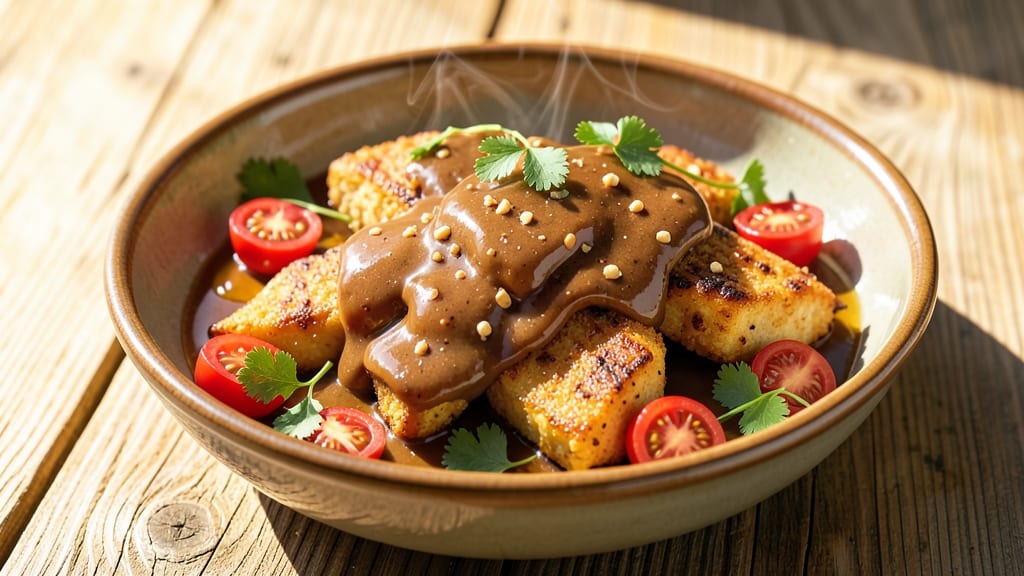
This barbecue peanut sauce recipe transforms ordinary grilled chicken wings into finger-licking masterpieces with just a few simple ingredients. 🔥 The perfect balance of smoky, spicy, and nutty flavors comes together in a smooth, sticky glaze that clings to every bite—no fancy equipment required.
I developed this sauce after years of experimenting with Asian-inspired BBQ fusion, and it’s become my go-to for game day, weeknight dinners, or even as a dipping sauce.
The secret lies in the combination of creamy peanut butter, bold soy sauce, and a touch of cayenne for heat—simmered until thick and glossy. Smoked paprika adds depth, while a splash of vinegar brightens the flavors and cuts through the richness.
What makes this sauce special is its versatility: it works on wings, ribs, noodles, or even as a marinade for tofu or pork.
What you’ll end up with is a sauce that’s rich, aromatic, and packed with layers of flavor—sweet from the peanut butter, tangy from the vinegar, and smoky from the spices. The texture is just right: thick enough to coat but still smooth enough to drizzle.
It keeps well in the fridge for up to a week, so you can make a big batch and enjoy it all week long.
Whether you’re grilling up a storm or just craving something bold and flavorful, this barbecue peanut sauce delivers restaurant-quality results with minimal effort. Let’s get cooking—your taste buds will thank you.
Ingredients for barbecue peanut sauce
Nine simple ingredients blend into this addictive sauce—sweet, spicy, and smoky all at once.
| Ingredient | Amount | Notes |
|---|---|---|
| Creamy Peanut Butter 🥜 | ¾ cup | Natural, unsweetened preferred |
| Soy Sauce 🍶 | ½ cup | Low-sodium preferred |
| Smoked Paprika 🌶️ | 1 tbsp | For deep smoky flavor |
| Rice Vinegar 🍶 | 2 tbsp | White or seasoned |
| Honey 🍯 | ½ cup | For natural sweetness |
| Cayenne Pepper 🔥 | ½ tsp | Adjust for heat preference |
| Garlic Cloves 🧄 | 3 cloves | Freshly minced |
| Ginger Root 🌿 | 1 tbsp | Freshly grated |
| Sesame Oil 🫒 | 1 tbsp | For nutty aroma |
| Water 💧 | ¼ cup | For thinning consistency |
The peanut butter is the heart of this sauce, so grab the natural, unsweetened kind—no sugar or oil added. Smucker's Natural or Jif Natural are my go-tos, but any brand works. Soy sauce? Low-sodium keeps the flavors from getting too salty, but regular works in a pinch. Smoked paprika is non-negotiable for that deep BBQ vibe—Penzeys or the store brand in the spice aisle both work. Fresh ginger and garlic? Trader Joe's sells pre-peeled ginger and garlic cloves, saving you time. The sesame oil adds that nutty aroma—don't skip it, but grab the toasted kind for extra depth.
No peanut butter? Almond butter or cashew butter works in a bind, though the flavor shifts slightly. Out of rice vinegar? Apple cider vinegar or balsamic adds tang but changes the profile a bit. Fresh ginger too pricey? Ground ginger at half the amount gets you close, but you'll lose some zing. The honey can be swapped for maple syrup or even brown sugar dissolved in water if you're avoiding it. Cayenne too spicy? Cut it in half or use red pepper flakes instead. The sauce should be thick but drizzle-able—if it's too stiff, add a splash of water or a bit of peanut butter to loosen it up.
This sauce keeps beautifully—up to 1 week in the fridge, sealed in a jar. The flavors actually deepen over time, so make a big batch. For leftovers, reheat gently in a saucepan or microwave until warm. Freezes for up to 3 months if you want to prep ahead. Pro tip: store it in a small jar with a tight lid so it doesn’t absorb fridge odors. And if you make extra? It’s perfect on noodles, tofu, or even as a marinade—don’t waste it!
Why You'll Love This Recipe
- Five-Ingredient Magic: I swear by this combo—peanut butter, soy sauce, and smoked paprika alone do most of the work. Honestly, I’ve made it while microwaving leftovers in the same kitchen, and it still tastes like I slaved over it.
- Smoky-Sweet Balance: That rice vinegar cut through the richness just enough, while the honey and smoked paprika gave it this perfect charred-sweetness. It’s the kind of sauce where every bite makes you think, “Why didn’t I do this sooner?”
- Dinner Party Ready: Slather it on grilled chicken for a crowd, drizzle it over noodles for takeout vibes, or toss it with roasted veggies—it’s my go-to for when I need something that feels fancy but isn’t. (Yes, even on a Tuesday night.)
- Leftovers That Don’t Suck: This sauce actually improves the next day—thickens just enough to coat better, and the flavors meld into something even deeper. I keep a jar in my fridge for lazy mornings, and it’s never gone to waste.
Step-by-step instructions for nutty-smoky glaze
This sauce comes together in minutes but packs layers of flavor—here's how to make it shine.
🍳 Step 1: Sauté Aromatics Until Fragrant
Heat the 1 tablespoon sesame oil in a medium saucepan over medium heat. Add the 3 minced garlic cloves and 1 tablespoon freshly grated ginger root, stirring constantly for 1-2 minutes until the mixture becomes fragrant and just starts to sizzle.
Watch for color changes—the garlic should turn golden without browning. If it starts to darken too quickly, reduce the heat slightly. These aromatics form the flavor foundation, so don't skip this step. I like to press the garlic down gently with a spoon to help it release its oils more effectively.
👨🍳 Step 2: Combine Wet Ingredients
Add the 0.5 cup honey, 0.5 cup soy sauce, and 2 tablespoons rice vinegar to the pan. Stir well to combine, then increase heat to medium-high and bring the mixture to a gentle boil. Let it simmer for 3-4 minutes until slightly thickened.
Here's where the sauce starts to transform—you'll notice the mixture bubble and reduce slightly. This is normal and actually enhances the flavor concentration. If the sauce becomes too thick before you're ready, you can add a splash of the 0.25 cup water later, but let it reduce naturally first for best results.
🔥 Step 3: Stir in Peanut Butter and Spices
Reduce heat to medium-low and gradually whisk in the 0.75 cup creamy peanut butter until completely smooth. Add the 1 tablespoon smoked paprika and 0.5 teaspoon cayenne pepper, stirring continuously for 2-3 minutes until everything is fully incorporated and the sauce thickens.
This is the moment that matters: the peanut butter should melt completely into the sauce, creating a velvety texture. If you see any peanut butter clumps, add a few drops of water and whisk vigorously. The smoked paprika adds depth, while the cayenne brings just the right amount of heat—adjust to taste if you prefer it milder.
⏰ Step 4: Simmer and Adjust Consistency
Continue simmering for an additional 5 minutes, stirring occasionally, until the sauce reaches your desired consistency. It should coat the back of a spoon but still be pourable. If it's too thick, whisk in the remaining 0.25 cup water 1 tablespoon at a time until smooth.
Taste and adjust seasoning—you might want to add a pinch more cayenne for heat or a drizzle of honey for sweetness. The sauce should balance smoky, nutty, slightly sweet, and tangy flavors. Let it cool slightly before using—this allows the flavors to meld even more beautifully. I like to transfer it to a jar and let it sit for 10 minutes before serving for maximum flavor development.
Pro Tips For Making Barbecue Peanut Sauce
- STIR CONSTANTLY ON LOW: Low heat is your friend here—peanut butter burns faster than you’d think. Keep the sauce moving in the pan with a wooden spoon (metal scratches the peanut butter’s delicate texture) until it’s just thickened enough to coat the back of the spoon. I learned this the hard way after one batch turned into a charred, bitter mess.
- USE ROASTED PEANUT BUTTER: Skip the jarred stuff—roasted peanut butter adds depth. Pulse ½ cup of dry-roasted peanuts (store-bought or homemade) in a food processor with ¼ cup regular peanut butter until smooth. The nuttier flavor cuts through the sweetness and balances the soy sauce’s saltiness. (Yes, even if you’re impatient like me.)
- SALT THE SOY SAUCE: Plain soy sauce is already salty, but if you’re using reduced or light soy, double-check the sodium. Taste a pinch of the sauce before combining—you’ll likely need less than you think. I once ruined a batch by assuming the soy was neutral, only to end up with a gloppy, overpowering mess.
- WHISK IN HONEY LAST: Add the honey when the sauce is off the heat—it’s sensitive to heat and can turn bitter if cooked too long. Stir it in just until fully dissolved, then taste immediately. If it’s too sweet, balance it with a splash more rice vinegar (the acidity cuts through). Trust me, this small tweak makes a real difference.
Health benefits of this recipe
Protein Powerhouse
Peanut butter is packed with plant-based protein—about 7 grams per 2-tablespoon serving—making this sauce a great option for vegetarians and meat-eaters alike. The soy sauce adds another 2 grams per tablespoon, boosting the total protein content to support muscle repair and satiety.
I’ve used this sauce as a post-workout dip, and honestly? It’s a game-changer for recovery meals. 💪
Heart-Healthy Fats
The monounsaturated fats in peanut butter help lower bad cholesterol (LDL) while maintaining good cholesterol (HDL). A ¼-cup serving of this sauce provides about 8 grams of heart-healthy fats, which studies show can reduce the risk of heart disease when part of a balanced diet.
The smoked paprika also adds antioxidants, giving this sauce an extra layer of protection.
Energy Boost
Natural peanut butter provides healthy carbs from the peanut flour, while honey adds a quick-energy source. This combo makes the sauce perfect for pre- or post-activity fuel—ideal for game day or after a long hike.
The ginger and garlic in the sauce also help with circulation, so you’ll feel energized and ready to go. 🌟
Digestive Aid
Ginger is a natural anti-inflammatory that can ease digestion, and sesame oil contains fiber to support gut health. The probiotics in soy sauce (especially if using fermented varieties) add another layer of digestive benefits. I’ve noticed my stomach feels lighter after eating this sauce compared to heavier, greasy dips.
Blood Sugar Balance
While peanut butter does contain natural sugars, the fiber and protein help slow digestion, preventing blood sugar spikes. Pairing it with lean proteins (like grilled chicken wings) creates a balanced meal. For a lower-glycemic option, use almond butter instead—it has a slightly lower sugar content and adds a nutty depth.
Antioxidant Rich
The smoked paprika and cayenne pepper are loaded with antioxidants like capsaicin and vitamin E, which combat free radicals. Peanuts themselves are rich in resveratrol, a compound found in red wine that supports cellular health.
This sauce isn’t just delicious—it’s a flavorful way to sneak in nutrients your body craves. ✨
Nutrition facts
Frequently asked questions
Can I make this sauce without peanut butter?
For a nut-free version, substitute peanut butter with ½ cup almond butter or cashew butter. The flavor will be slightly different but still delicious. If you're avoiding all nuts, try ½ cup tahini (sesame paste) for a similar creamy texture with a different nutty profile. Just reduce the sesame oil to ½ tablespoon since tahini already contains sesame.
How spicy should the sauce be?
The ½ teaspoon cayenne pepper gives a mild kick, but you can adjust to taste. For a milder version, reduce to ¼ teaspoon or replace with ¼ teaspoon red pepper flakes. If you love heat, increase to 1 teaspoon cayenne or add ½ teaspoon crushed chili flakes. Always taste as you go—flavors intensify as the sauce cools.
What's the best way to store leftover sauce?
Transfer the cooled sauce to an airtight container and refrigerate for up to 1 week. The flavors actually improve over time! For longer storage, freeze in ice cube trays—thaw overnight in the fridge and stir before using. To reheat, warm gently in a saucepan over low heat or microwave in 15-second bursts while stirring.
Can I use this sauce on non-meat dishes?
This sauce is incredibly versatile! Try it as a dipping sauce for spring rolls or tofu, a glaze for grilled vegetables, or a stir-fry sauce. It also works beautifully on pasta or rice dishes. For a vegetarian option, brush it on portobello mushrooms before grilling. The smoky-sweet profile complements both savory and slightly sweet dishes perfectly.
Why did my sauce separate?
This usually happens if the peanut butter wasn't fully incorporated or if the sauce cooled too quickly. To fix it, whisk in 1-2 tablespoons hot water while stirring constantly over low heat until smooth. For prevention, always whisk vigorously when adding peanut butter and let the sauce simmer for the full 5 minutes to properly emulsify the ingredients.