
Sauces & Condiments
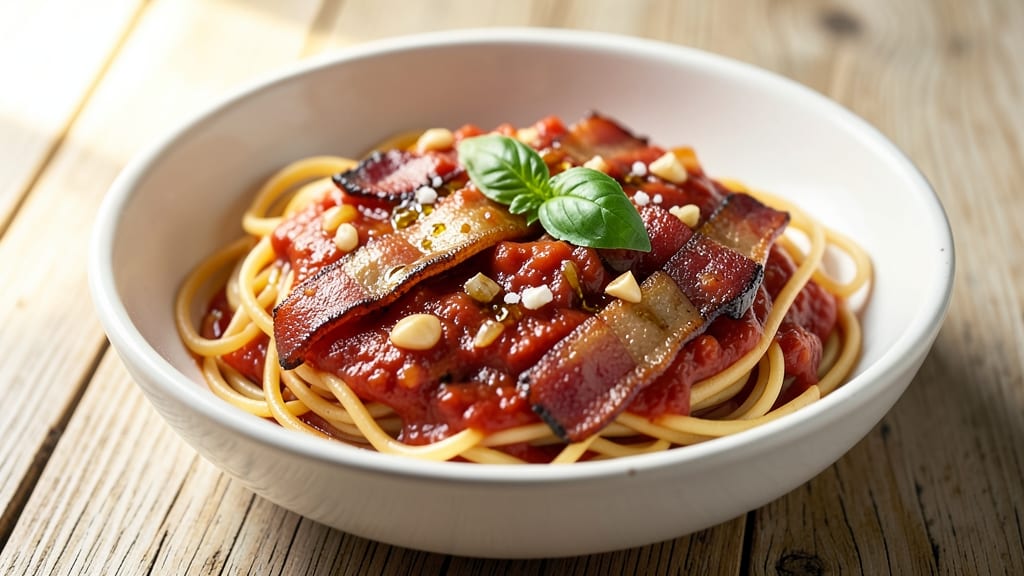
This bacon spaghetti sauce recipe transforms ordinary pasta night into a smoky, salty masterpiece that'll have everyone asking for seconds. The secret lies in crispy bacon rendered to perfect crunch, then simmered into a rich tomato base that balances fat with acidity—no bland sauces here. I've perfected this technique over years of weeknight dinners, and it never fails to deliver restaurant-quality results with minimal effort.
The beauty of this recipe is its simplicity: crispy bacon adds depth, while canned tomatoes provide a solid foundation that you'll customize with garlic, onions, and herbs. What sets it apart is the slow simmer that develops complex flavors without requiring fancy ingredients.
The sauce thickens naturally as it cooks, creating that perfect clingy consistency that coats every strand of pasta.
By the time you're twirling that first forkful, you'll taste layers of smoky bacon, sweet tomatoes, and aromatic herbs all coming together in a velvety sauce. The richness of the bacon pairs perfectly with al dente spaghetti, creating a dish that's both comforting and impressive enough for company.
Serve with garlic bread and a simple salad for a complete meal that feels like a restaurant experience.
This recipe scales beautifully for crowds, reheats perfectly for leftovers, and adapts easily to dietary preferences. The techniques here are approachable yet professional—ideal for cooks of all levels. Let's get cooking!
Ingredients for bacon spaghetti sauce
These 13 ingredients create a smoky, salty sauce that transforms simple spaghetti into a restaurant-worthy dish.
| Ingredient | Amount | Notes |
|---|---|---|
| Thick-Cut Bacon 🥓 | 6 oz | Cuts into 1/2-inch pieces |
| Yellow Onion 🧅 | 1 whole | Diced into 1/4-inch pieces |
| Garlic Cloves 🧄 | 4 cloves | Minced for aromatic base |
| Canned San Marzano Tomatoes 🍅 | 28 oz | Crushed by hand, seeds removed |
| Spaghetti 🍝 | 12 oz | Dry weight, al dente preferred |
| Extra-Virgin Olive Oil 🫒 | 2 tbsp | For initial bacon rendering |
| Dried Oregano 🌿 | 1 tsp | Crushed between fingers |
| Dried Basil 🌿 | 1 tsp | Plus extra for garnish |
| Kosher Salt 🧂 | 1 ½ tsp | Diamond Crystal preferred |
| Freshly Ground Black Pepper 🌶️ | ½ tsp | Adjust to taste |
| Red Wine Vinegar 🍷 | 1 tbsp | Brightens acidity balance |
| Fresh Parsley 🌿 | ¼ cup | Chopped for garnish |
| Grated Parmesan Cheese 🧀 | ½ cup | Freshly grated from block |
The bacon is non-negotiable—thick-cut renders the best flavor and crisp. Look for applewood-smoked if available, but any quality bacon works. I always buy Oscar Mayer Thick Cut when on sale, but Whole Foods carries excellent artisanal options. Render the fat slowly to maximize flavor extraction, then remove the bacon before adding it back at the end for texture contrast. The onions and garlic form the aromatic base, so don't skip mincing them finely—this is where the sauce builds its depth.
No San Marzano tomatoes? Any high-quality canned tomatoes work—just crush them well. The vinegar is crucial for balancing the richness; balsamic vinegar at half the amount adds complexity. Fresh herbs elevate the dish, but dried oregano and basil at one-third the quantity suffice in a pinch. For extra umami, add 1 tsp fish sauce (optional), though this makes it non-vegetarian. The spaghetti should be al dente—cook it separately to avoid a mushy sauce.
This sauce reheats beautifully—better the next day as flavors meld. Store in an airtight container for 5 days in the fridge or 3 months frozen. For meal prep, freeze portions in ice cube trays for easy single-serving additions. Garnish with fresh parsley and extra bacon bits right before serving—that's when it looks restaurant-worthy. The Parmesan should be freshly grated; pre-shredded contains anti-caking agents that alter texture.
Why You'll Love This Recipe
- 20-Minute Bacon Magic: I swear by the crispy bacon bits that melt into the sauce—no fancy techniques, just pan-fry until golden, then chop. That smoky crunch stays with every forkful, and honestly? It’s the secret weapon in this dish.
- San Marzano Upgrade: The canned tomatoes here aren’t just backup—they’re the star. Sweet, rich, and no bitterness? That’s why I always reach for them. Simmered with garlic and onion, they turn into a velvety base that makes you forget you’re using canned anything.
- Leftovers That Beg for Seconds: This sauce actually improves the next day. The flavors meld, the bacon gets even more addictive, and reheating it takes all of 90 seconds. I’ve frozen jars for months—my lazy Sunday lunches never disappoint.
- Budget-Friendly Feast: Thick-cut bacon might sound fancy, but a single package stretches for two meals. Pair it with cheap spaghetti, and suddenly you’ve got a restaurant-worthy dinner that won’t break the bank. My wallet thanks me every time.
Step-by-step instructions for bacon spaghetti sauce
This method delivers a rich, smoky sauce with perfect balance—where salty bacon meets bright tomatoes.
Render the Bacon and Build Flavor Layers
Cut the 6 oz thick-cut bacon into ½-inch pieces and place in a large, deep skillet over medium-low heat. Let it render slowly for 8-10 minutes, stirring occasionally, until the fat is golden and crispy and the bacon is deeply browned. This low-and-slow approach prevents burning while extracting maximum flavor.
Remove the bacon with a slotted spoon and set aside on paper towels to drain excess fat. Leave the rendered fat in the pan—this is your flavor foundation. The fat should measure about ¼ cup after rendering, which is perfect for building the sauce. If you need more, add 1 tablespoon extra-virgin olive oil to the pan.
Sauté Aromatics Until Deeply Fragrant
In the same skillet, add the diced yellow onion and cook over medium heat for 5-6 minutes, stirring frequently, until softened and light golden. The onions should caramelize slightly at the edges but not brown deeply—this ensures sweetness without bitterness.
Add the 4 cloves minced garlic and cook for 30 seconds until fragrant. Here's the thing—garlic burns in seconds, so keep heat at medium and stir constantly. The moment you smell that nutty aroma, it's ready. Immediately add the 1 tsp dried oregano and 1 tsp dried basil, stirring for 10 seconds to toast the spices and release their oils.
Develop the Tomato Base
Pour in the 28 oz crushed San Marzano tomatoes (with seeds removed) and bring to a gentle simmer over medium-low heat. Let it cook uncovered for 15 minutes, stirring occasionally, until the sauce thickens slightly and the raw tomato flavor mellows. You're looking for a smooth, velvety consistency—not watery, but not reduced to jam thickness.
Season with 1.5 tsp kosher salt and ½ tsp freshly ground black pepper, then add the 1 tbsp red wine vinegar. This final touch brightens the acidity and balances the richness of the bacon. Taste and adjust seasoning—you want the sauce to be savory, slightly tangy, and deeply aromatic at this stage.
Finish with Bacon and Fresh Herbs
Crumble the reserved bacon into ¼-inch pieces and stir into the sauce. Let it heat through for 2 minutes so the bacon absorbs the tomato flavors. Remove from heat and stir in the ¼ cup chopped fresh parsley. The parsley adds freshness and a pop of color that makes the sauce look as good as it tastes.
Taste again and make final adjustments—perhaps a pinch more salt or a crack of black pepper. The sauce should be rich, smoky, and balanced, with the bacon adding salty depth and the tomatoes providing bright acidity. This is your base sauce, ready to elevate any pasta dish.
Cook and Serve the Spaghetti
Bring a large pot of water to a rolling boil and add 12 oz spaghetti. Cook until 1 minute shy of al dente (about 9-10 minutes), then reserve 1 cup pasta water. Drain the spaghetti, reserving the starchy water.
Toss the spaghetti with ½ cup grated Parmesan cheese and ¼ cup of the reserved pasta water to create a silky coating. Divide the spaghetti among plates, ladle the warm bacon sauce over the top, and garnish with additional chopped parsley and extra Parmesan. The sauce should cling beautifully to each strand, delivering that smoky, salty swirl with every bite.
Pro Tips For Making Bacon Spaghetti Sauce
- CRISP THE BACON LOW: Thick-cut bacon needs patience—cook it at 275°F (135°C) until the edges curl and the fat renders slowly. Rushing it on high heat turns it greasy and chewy, and you’ll end up drowning the sauce in bacon oil later. (Yes, I know it’s tempting to blast the heat, but trust me.)
- SMASH THE GARLIC: After mincing, press each garlic clove flat with the side of your knife before adding it to the pan. This releases more flavor and prevents bitter allicin buildup. I learned this the hard way when my sauce tasted sharp instead of rich—now I don’t skip it.
- SIMMER THE TOMATOES: Don’t dump cold San Marzano tomatoes straight into the sauce. Warm them first in a separate pot for 5 minutes, then crush them by hand. This prevents the sauce from thinning into a watery mess and lets the tomato flavor meld properly. (Your future self will notice the difference.)
- SALTY WATER MATTERS: Season your pasta water with 2 tablespoons of salt per pound of spaghetti—more if you’re using thick-cut bacon, which adds extra fat. Under-salted water means bland noodles, no matter how rich the sauce. I used to skip this, then wondered why my dish felt flat.
Best sauces and condiments for bacon spaghetti sauce
Tomato Sauce Foundation
This bacon spaghetti sauce starts with San Marzano tomatoes—their natural sweetness and low acidity create the perfect base. I always crush them by hand to remove seeds, which prevents a watery sauce.
For extra depth, add 1 tsp fish sauce (optional) after the tomatoes simmer for 15 minutes. This umami boost makes the sauce taste restaurant-quality. 🍅
Acidity Balance
The red wine vinegar is non-negotiable—it brightens the sauce and cuts through the richness of the bacon. If you prefer balsamic, use ½ tbsp instead, but taste first.
For a tangier kick, add ½ tsp lemon zest at the end. The acidity should feel balanced, not sharp—like a perfect tomato salad.
Herb Enhancements
Fresh herbs elevate the sauce instantly. Chopped parsley adds brightness, while basil leaves (if using fresh) should be added at the very end to preserve their aroma.
For a Mediterranean twist, stir in ½ tsp dried thyme with the oregano. The herbs should complement, not overpower—the sauce's star is the smoky bacon.
Creamy Texture Tricks
For a velvety finish, stir in 2 tbsp heavy cream or ¼ cup ricotta cheese during the last 5 minutes of simmering. Alternatively, add 1 tbsp tomato paste at the start to thicken the base naturally.
The sauce should coat the back of a spoon but remain spoonable—not glued to the pot. 🥄
Cheese Pairings
Parmesan is classic, but Pecorino Romano adds a sharper bite. For a creamy option, blend in 2 oz mascarpone after removing from heat. If you love cheese, sprinkle ½ cup grated provolone into the sauce during the final 2 minutes of simmering.
The cheese should melt into the sauce, not stay in chunks.
Garnish Game-Changers
Top with crispy fried shallots for crunch or toasted pine nuts for nutty depth. A drizzle of high-quality olive oil adds richness, while chili flakes introduce heat. I love finishing with extra bacon bits—they add texture and reinforce the smoky flavor that makes this sauce unforgettable. 🔥
Nutrition facts
Frequently asked questions
Can I use turkey bacon instead of regular bacon?
Turkey bacon works perfectly and reduces saturated fat while keeping that smoky flavor. Just cook it for 2-3 minutes less than regular bacon since it's leaner—you want it crispy but not burnt. The sauce will still have that delicious depth, though you may want to add an extra ½ tsp smoked paprika to boost the smokiness.
Why does my sauce turn out too thin?
Thin sauce usually means one of two things: either the tomatoes weren't crushed enough (seeds add water), or the sauce didn't simmer long enough. For future batches, crush tomatoes thoroughly, remove all seeds, and simmer uncovered for 20-25 minutes instead of 15. If it's still too thin, stir in 1 tbsp tomato paste or reduce heat and simmer uncovered for another 5 minutes.
Can I make this sauce in a slow cooker?
Yes! Cook the bacon and aromatics as directed, then transfer everything to a 3-4 quart slow cooker on low for 6-8 hours or high for 3-4 hours. The low-and-slow method deepens flavors beautifully. Just stir occasionally and add 1 tbsp red wine vinegar at the end to brighten the acidity. The texture will be slightly thicker than stovetop, which works perfectly for tossing with pasta.
What pasta works best with this sauce?
Spaghetti is classic, but bucatini or linguine work beautifully too—their shapes hold the sauce well. For extra fun, try penne or rigatoni (the ridges trap sauce). Avoid delicate pastas like angel hair—they'll turn mushy. Cook pasta 1 minute less than package instructions and toss immediately with sauce to prevent sticking.
How do I store leftovers?
Let the sauce cool completely, then transfer to an airtight container. It keeps in the fridge for 5 days or freezes for 3 months. For best texture, reheat gently on the stove with a splash of water or pasta water. Never microwave directly—it makes the sauce watery. To revive frozen sauce, thaw overnight in the fridge, then reheat on low heat while stirring occasionally.