
Sauces & Condiments
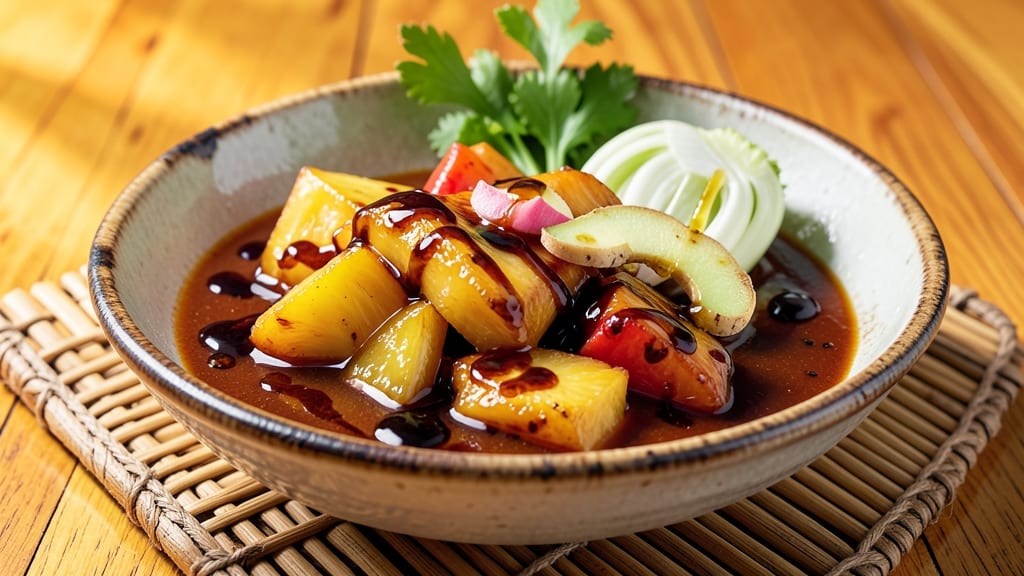
This authentic Hawaiian teriyaki sauce transforms ordinary proteins into restaurant-quality masterpieces with its perfect balance of sweet, tangy, and umami flavors. 🌺 The secret lies in slow-braising pineapple and ginger with traditional soy sauce, creating a glossy glaze that caramelizes beautifully on grilled meats or stir-fried vegetables.
Unlike store-bought versions, this recipe delivers bold, complex depth through a reduction process that intensifies flavors while maintaining that signature Hawaiian sweetness. The addition of brown sugar and a touch of molasses creates a caramelized richness that pairs perfectly with celery crown crunch—a textural contrast that elevates every bite.
What sets this sauce apart is its versatility—it works equally well as a marinade, glaze, or dipping sauce. The pineapple adds natural sweetness while tenderizing proteins, and the ginger provides a warm, aromatic backbone that complements everything from grilled chicken to tofu stir-fries.
Once you taste the difference, you'll never go back to bottled teriyaki again. The best part? It keeps beautifully in the refrigerator for up to two weeks, making it perfect for meal prep and repeat use. Let's create this flavor-packed sauce that will become your new kitchen staple.
Ingredients for authentic hawaiian teriyaki sauce
Pineapple, ginger, and soy sauce—this bold trio creates restaurant-quality teriyaki magic.
| Ingredient | Amount | Notes |
|---|---|---|
| Fresh Pineapple Chunks 🍍 | 1 ½ cups | Freshly chopped, no core |
| Fresh Ginger Root 🌿 | ½ cup | Peeled, finely grated |
| Traditional Soy Sauce 🥢 | ½ cup | Japanese-style, no wheat |
| Brown Sugar 🍚 | ½ cup | Packed, light or dark |
| Molasses 🍯 | 1 tbsp | Unsulphured preferred |
| Celery Crown 🧅 | 1 whole | Dried, for crunch |
| Extra-Virgin Olive Oil 🫒 | 2 tbsp | For richness, fruity |
| Garlic Cloves 🧄 | 4 cloves | Minced, fresh preferred |
| Apple Cider Vinegar 🍎 | 1 tbsp | For tangy depth |
| Sesame Oil 🌱 | 1 tsp | Toasted, for aroma |
The pineapple is non-negotiable—freshly chopped delivers that bright, juicy sweetness you can't replicate with canned. Costco or Whole Foods often have pre-cut pineapple that saves time, but grab the freshest you can find. Ginger should be organic and knobby—the more surface area, the more flavor. For the soy sauce, Kikkoman or Yamasa are my go-tos, but any traditional Japanese-style works. The brown sugar? Light brown caramelizes better, but dark adds molasses depth. Pro tip: Buy molasses at Trader Joe's—it's unsulphured and affordable.
No fresh ginger? Powdered works at half the amount, but it's not the same. Short on pineapple? Mango purée gives a similar tropical sweetness. The celery crown? Dried is key—fresh won't crisp up properly. For extra umami, add 1 tsp fish sauce (if not vegetarian) or 1 tbsp coconut aminos. The sesame oil is optional but adds that signature nutty aroma—toasted sesame oil from Penzeys is worth the splurge. And yes, you can make this without molasses—just bump the brown sugar to 3/4 cup.
This sauce tastes even better the next day as flavors meld. Store in an airtight jar in the fridge for up to 2 weeks. For longer storage, freeze in ice cube trays—perfect for single-use portions. The celery crown crunch? Add it fresh just before serving. If you make a double batch, it reheats beautifully—just warm gently on the stove with a splash of water to restore glossiness. Trust me, leftovers are the best part.
Why You'll Love This Recipe
- Pantry-Friendly Magic: I swear by this sauce because it uses what’s already in my cupboard—no specialty trips. That molasses and brown sugar combo? It’s the secret that turns basic soy into something rich and caramelized without extra shopping.
- Tropical Glow-Up: The pineapple chunks and ginger root give it a bright, tangy kick that cuts through any protein like a knife. Honestly, it’s the kind of flavor that makes my grilled chicken taste like a vacation.
- Weeknight & Party Star: Slap this on salmon for a fancy dinner or toss it with tofu for a quick lunch—it’s my go-to for both lazy nights and when unexpected guests show up. (Yes, even on a Tuesday night.)
- Leftovers That Don’t Suck: This sauce actually improves overnight, deepening in flavor. I make a double batch, freeze half, and still crave it weeks later. Budget win: one jar of soy lasts me months.
Step-by-step instructions for authentic Hawaiian teriyaki sauce
Here's how to craft this tropical twist on classic teriyaki—where pineapple and celery crown transform ordinary sauce into something extraordinary.
🍳 Step 1: Sauté Aromatics Until Golden and Fragrant
Heat the 2 tablespoons extra-virgin olive oil in a medium saucepan over medium heat. Add the 4 minced garlic cloves and cook for 30 seconds until just fragrant—don't let them brown or they'll turn bitter. Then add the ½ cup finely grated fresh ginger root and sauté for another 1-2 minutes until the raw ginger aroma disappears completely.
Here's the thing—ginger burns fast. Watch it closely and stir constantly. You want it to soften and release its bright, citrusy notes without turning dark. This is where the sauce gets its authentic Hawaiian depth, so don't rush this step. The ginger should be completely incorporated and smell heavenly before moving forward.
🍳 Step 2: Build the Sauce Base with Pineapple and Sweet Elements
Add the 1.5 cups fresh pineapple chunks (leave them whole for texture) and cook for 3-4 minutes until they begin to soften slightly and release their juices. Pour in the ½ cup traditional soy sauce, ½ cup packed brown sugar, and 1 tablespoon molasses, stirring constantly to dissolve the sugars completely.
This is where the magic happens—the pineapple's natural acidity begins breaking down the sugars while the molasses adds that deep, caramelized complexity. You'll see the mixture bubble gently as it comes together. If the sugar starts to crystallize, add 1 tablespoon water and stir until smooth again. Let it simmer for 5 minutes until slightly reduced and syrupy.
🥘 Step 3: Finish with Vinegar and Sesame Oil for Balance
Stir in the 1 tablespoon apple cider vinegar and 1 tablespoon sesame oil, then reduce heat to low. The vinegar brightens the flavors while the sesame oil adds that nutty aroma that's essential in authentic Hawaiian cooking. Let the sauce simmer gently for 2-3 minutes until it thickens to a glossy consistency that coats the back of a spoon.
Taste and adjust seasoning—you might need a pinch more salt if your soy sauce is on the lighter side. The sauce should balance sweet, tangy, and umami perfectly. Here's the pro tip: if it's too thick, add 1 teaspoon water at a time until it reaches that perfect coating consistency.
🥘 Step 4: Add Celery Crown for Crunchy Texture
Remove the saucepan from heat and let it cool for 2 minutes. While it cools slightly, carefully remove the dried celery crown from its stem and break it into small, crumbly pieces using your hands. The celery should be completely dry and brittle—this is what gives the sauce its signature Hawaiian crunch.
Gently fold the celery pieces into the warm sauce, being careful not to crush them completely. The contrast between the creamy sauce and the celery's crisp texture is what makes this teriyaki truly special. For best results, use the sauce immediately or store it in an airtight container in the refrigerator for up to 5 days. The celery will maintain its crunch for about 24 hours before becoming soft.
Pro Tips For Making Authentic Hawaiian Teriyaki Sauce
- Simmer Low and Slow: I learned this the hard way—rushing the sauce on high heat turns it bitter fast. Keep it at a gentle bubble (just small, occasional ripples) for 20-25 minutes. That’s how the pineapple’s acid and ginger’s heat marry without turning harsh.
- Peel That Ginger: Yes, even the skin. Fresh ginger’s potency hides in the outer layer, where the oil lives. Use a spoon to scrape off the fibrous bits, then chop—no peeling needed. (Your sauce will taste deeper, I promise.)
- Balance the Sweetness: Brown sugar and molasses are like siblings—too much of either cloy the sauce. Taste at 15 minutes, then adjust: if it’s one-note sweet, add a splash of soy sauce. If it’s too sharp, a pinch of sugar does the trick.
- Strain the Pineapple: This isn’t the prettiest method, but it’s the tastiest. After simmering, strain out the pineapple chunks—they’ve done their job. The juice left behind is where the real flavor hides, and it won’t turn your sauce into a chunky glaze.
Common mistakes when making this dish
Overcooking Pineapple
Pineapple breaks down quickly, and overcooking it turns your sauce into a mushy, watery mess. Once you add the 1.5 cups pineapple chunks, keep heat at medium-low and cook for only 3-4 minutes.
The moment the chunks soften slightly and release juices, remove them from the pan—you want texture, not mush. I’ve ruined sauce this way, and trust me, you’ll taste the difference when it’s just right. 🍍
Skipping the Reduction
Rushing the simmering step is a huge mistake. The 5-minute reduction** after adding soy sauce and sugar is crucial—it develops depth and thickness. If you skip it, your sauce will taste flat and thin.
I once made a batch without reducing, and it lacked that glossy, restaurant-quality finish. Patience here pays off with big flavor rewards.
Using Wrong Sugar
White sugar won’t give you the same caramelized richness as brown sugar. The molasses in brown sugar creates that deep, toasty note that’s essential for authentic Hawaiian teriyaki.
If you’re out of brown sugar, don’t substitute with white—it’ll make your sauce taste one-dimensional. I’ve tried it, and it’s a game-changer.
Ignoring the Celery Crown
This isn’t just about flavor—it’s about texture. The dried celery crown adds that signature Hawaiian crunch that sets this sauce apart. If you skip it or use fresh celery, you’ll miss the magic.
The key is to add it after cooking and let it absorb the sauce’s warmth—this keeps it crisp. I’ve made sauce without it, and it never felt complete.
Not Balancing Flavors
Taste as you go! The sauce should balance sweet, tangy, and umami. If it’s too sweet, add 1 tsp apple cider vinegar. Too thin? Simmer longer or add 1 tsp cornstarch slurry.
I’ve had batches where I forgot to taste-test, and they ended up either cloyingly sweet or bland. A quick check at the end ensures perfection every time.
Storing Improperly
Teriyaki sauce oxidizes quickly, turning dull and losing its gloss. Always store it in an airtight container in the fridge, and use it within 5 days. For longer storage, freeze in ice cube trays—thawed portions work great for quick meals.
I’ve had batches go bad because I left them open, and the flavor was ruined. Proper storage keeps it fresh and vibrant.
Nutrition facts
Frequently asked questions about authentic Hawaiian teriyaki sauce
Can I use canned pineapple instead of fresh?
Fresh pineapple gives the best flavor, but you can use canned in a pinch. Drain it well and pat dry to remove excess moisture, which prevents a watery sauce. For extra tropical flavor, add 1 teaspoon lime zest to compensate for the lack of fresh fruit's brightness.
How do I make this sauce vegetarian?
Replace the traditional soy sauce with coconut aminos or tamari (gluten-free soy sauce) for a plant-based version. The molasses and brown sugar remain vegetarian-friendly, and the pineapple-ginger base stays perfectly veggie-compatible. The celery crown adds crunch without any animal products.
What's the best way to use leftover teriyaki sauce?
Leftover sauce works perfectly as a marinade for 2-4 hours before grilling or stir-frying. It also makes an amazing dipping sauce for spring rolls or dumplings. For extra richness, reheat gently with 1 teaspoon honey or 1 tablespoon water to restore its glossy texture.
Why does my sauce look thin after cooking?
Teriyaki sauce thickens as it cools, but if it's still too thin after simmering, try one of these fixes: simmer uncovered for 5-10 more minutes to reduce further, or mix 1 teaspoon cornstarch with 1 tablespoon water and stir in while hot. The sauce should coat the back of a spoon when done.
Can I make this sauce without molasses?
Yes, but your sauce will taste less complex. Substitute with 1 extra tablespoon brown sugar plus ½ teaspoon liquid smoke for depth. The molasses adds that signature caramelized richness that's hard to replicate. For a quick alternative, use 1 teaspoon maple syrup, though it won't be identical.