
Sauces & Condiments
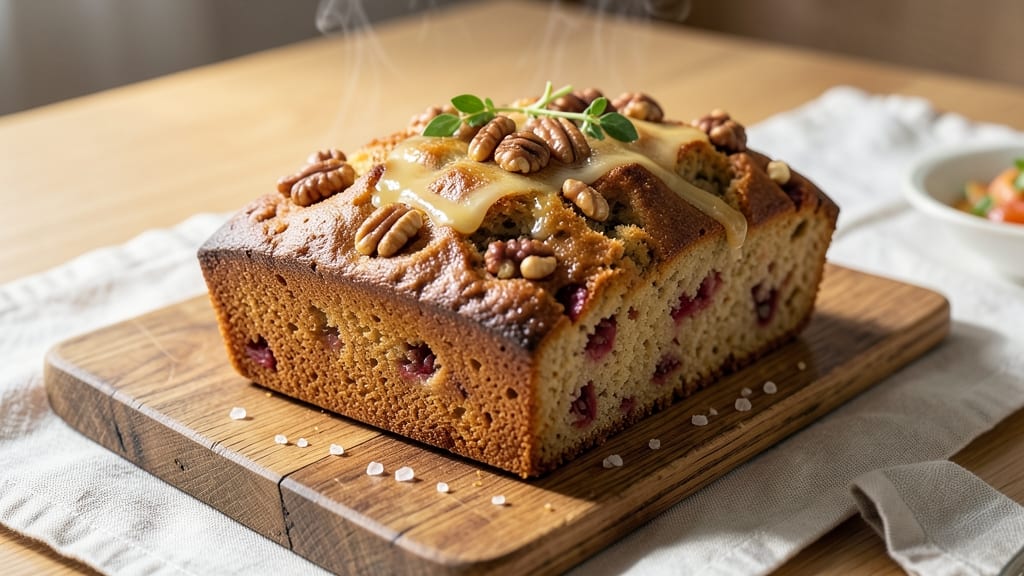
This applesauce nut bread recipe transforms simple pantry staples into a moist, spiced loaf that smells like autumn in your kitchen. The secret lies in applesauce replacing some of the fat, creating a tender crumb while keeping calories in check.
I've perfected this version over years of baking—no fancy techniques, just reliable results that impress even skeptical guests.
The beauty of this recipe is its foolproof simplicity: mix dry ingredients, stir in wet components, fold in chopped nuts, and bake until golden. The warm spices—cinnamon, nutmeg, and allspice—infuse every bite with cozy flavor, while the applesauce keeps the bread deliciously moist for days.
Perfect for breakfast, snacking, or gifting, this bread requires just one bowl and 45 minutes of active time.
What you'll end up with is a homemade loaf that's crisp on the outside, tender inside, and studded with crunchy nuts throughout. The aroma alone will have everyone gathering in the kitchen, and each slice offers that perfect balance of sweetness and spice.
This recipe delivers restaurant-quality results without the fuss—ideal for beginners eager to master a classic.
For extra indulgence, brush the warm bread with a simple honey glaze or dust with powdered sugar. The possibilities are endless, but the base recipe remains reliable and delicious. Let's get baking!
Ingredients for applesauce nut bread recipe easy
Pantry staples meet warm spices for a bread that smells like autumn baking.
| Ingredient | Amount | Notes |
|---|---|---|
| Unsalted Butter 🧈 | ½ cup | Softened to room temperature |
| Granulated Sugar 🍚 | ¾ cup | Light brown preferred for depth |
| Applesauce 🍎 | ¾ cup | Unsweetened, unsulfured |
| Large Eggs 🥚 | 2 whole | Room temperature for even mixing |
| Vanilla Extract 💧 | 1 tbsp | Pure, not imitation |
| All-Purpose Flour 🌾 | 2 ½ cups | Spooning method for accuracy |
| Ground Cinnamon 🌿 | 2 tsp | Freshly ground preferred |
| Ground Nutmeg 🌿 | ½ tsp | Freshly grated for potency |
| Ground Allspice 🌶️ | ½ tsp | For warm spice complexity |
| Baking Soda 🧂 | 1 tsp | Pure, not baking powder |
| Salt 🧂 | ½ tsp | Diamond Crystal preferred |
| Chopped Walnuts 🥜 | 1 ½ cups | Toasted for enhanced flavor |
The applesauce is non-negotiable here—unsweetened, unsulfured delivers the best texture and flavor. Muir Glen or Motts are reliable brands for quality. Walnuts should be toasted until fragrant before chopping, which amplifies their flavor significantly. For the spices, Penzeys or bulk bins at natural food stores ensure maximum potency. The butter matters too—Plugrá or Land O'Lakes unsalted work perfectly, but avoid margarine substitutes.
No applesauce? Unsweetened applesauce from a can works in a pinch, but the texture won't be quite as tender. Substitute walnuts with pecans or almonds if preferred, though walnuts provide that classic nutty depth. Running low on cinnamon? Cassia cinnamon at 1:1 ratio works, but Ceylon has a more delicate flavor. The baking soda must be fresh—if it's over 6 months old, toast it gently to reactivate before using.
This bread keeps beautifully for 3-4 days at room temperature wrapped in a clean kitchen towel. For longer storage, freeze the loaf up to 3 months—thaw at room temperature for best results. The aroma alone will wake up your kitchen, and each slice stays moist for days. I always make a double batch—one for the morning, one to gift with coffee.
Why You'll Love This Recipe
- No Mixer Needed: I swear by this recipe when my mixer’s on the fritz—just cream butter and sugar by hand, fold in applesauce, and you’re golden. The applesauce keeps it moist without extra fuss, and the eggs bind it together like magic.
- Warm Spice Hug: That vanilla and butter combo? Pure nostalgia. The applesauce adds a subtle sweetness that balances the sugar, while the nuts (if you add them) give it a satisfying crunch. It tastes like autumn in every bite—no pie required.
- Breakfast or Snack Star: I’ve served this toasted with peanut butter for breakfast, sliced with jam for after-school snacks, and even as a quick dessert with a drizzle of honey. Honestly, it’s the one loaf I don’t feel guilty about eating all week.
- Pantry to Table: Between us, this recipe uses stuff you already have—no weird ingredients or last-minute grocery runs. The butter and sugar are there, the applesauce keeps it budget-friendly, and it bakes up in under an hour. Leftovers? They disappear faster than I can say “second slice.”
Step-by-step instructions for applesauce nut bread
This method delivers a perfectly moist, tender loaf with warm spice notes and crunchy walnuts every time.
Cream Butter and Sugar Until Light
In a stand mixer fitted with the paddle attachment, beat the 0.5 cup unsalted butter and 0.75 cup granulated sugar on medium speed for 3-4 minutes until the mixture is pale and fluffy. You'll notice the butter nearly doubles in volume and leaves a ribbon-like trail when the beaters are lifted. This creaming process incorporates air, which creates that signature tender crumb.
I always check for two things at this stage: the mixture should be light in color and leave clean streaks on the sides of the bowl. If it's still grainy, beat for another 30 seconds. The butter must be completely softened before starting—if it's cold, the bread will be dense. If it's too soft, chill the bowl in the refrigerator for 10 minutes before proceeding.
Add Applesauce, Eggs, and Vanilla
Reduce the mixer speed to low and add the 0.75 cup applesauce, mixing for 30 seconds until fully incorporated. The applesauce will make the mixture look slightly curdled, but that's normal. Next, add the 2 whole large eggs one at a time, mixing just until each egg is fully combined—about 15 seconds per egg. Finish by adding the 1 tablespoon vanilla extract and mixing for another 10 seconds.
The applesauce serves as a natural tenderizer and moisture retainer, replacing some of the fat while keeping the crumb soft. This substitution also makes the bread slightly lower in fat without sacrificing richness. Don't overmix here—just until everything is combined. The batter should be smooth but still slightly thick.
Combine Dry Ingredients and Fold in Walnuts
In a separate bowl, whisk together the 2.5 cups all-purpose flour, 2 teaspoons ground cinnamon, 0.5 teaspoon ground nutmeg, 0.5 teaspoon ground allspice, 1 teaspoon baking soda, and 0.5 teaspoon salt. Sift the dry ingredients directly into the wet mixture with the mixer on low speed, mixing just until the flour disappears—about 20-30 seconds. Avoid overmixing, which develops gluten and makes the bread tough.
Remove the bowl from the mixer and gently fold in the 1.5 cups chopped walnuts using a silicone spatula. The walnuts should be evenly distributed throughout the batter. I like to press them in lightly so they stay in place during baking. The warm spices will infuse the bread with comforting depth, while the walnuts add texture and nutty complexity that complements the applesauce.
Bake for a Moist, Perfectly Risen Loaf
Preheat your oven to 350°F and grease a 9x5-inch loaf pan lightly with butter or line it with parchment paper. Pour the batter into the prepared pan and smooth the top with a spatula. Bake for 50-55 minutes, or until a toothpick inserted into the center comes out clean with just a few moist crumbs clinging to it. The bread is done when the top is golden brown and springs back slightly when pressed.
I've found that baking time can vary slightly depending on your oven. If the top browns too quickly, tent the pan with aluminum foil after 30 minutes to prevent over-browning while still allowing the bread to bake through. The internal temperature should reach 205-210°F at the center for perfect doneness. Let the bread cool in the pan for 10 minutes before transferring to a wire rack to cool completely.
Pro Tips For Making Applesauce Nut Bread Recipe Easy
- Mix Butter and Sugar First: I learned this the hard way—skipping the creaming step makes the bread dense and flat. Whip the butter and sugar together until light and fluffy (about 3-4 minutes), and you’ll get that classic tender crumb. The applesauce will thank you later.
- Use Room-Temp Applesauce: Cold applesauce from the fridge makes the dough sluggish and can lead to a gummy texture. Let it sit out for 10 minutes before mixing—just enough to loosen it up without turning it warm. (Yes, even if you’re impatient like me.)
- Don’t Overmix the Dough: Once you fold in the dry ingredients, stop mixing the second everything’s combined. Overworking the dough adds gluten, which turns your soft, moist bread into a tough brick. Two turns of a spatula is all you need.
- Check Doneness at 325°F: This bread’s trickiest part: it’s done when the internal temp hits 190°F and the top springs back when pressed. If you pull it out at 185°F, it’ll keep baking in the pan and turn dry. A toothpick test is fine, but don’t rely on it alone—your nose knows best.
Common mistakes when making this recipe
Overmixing the Batter
I’ve seen beginners mix this dough until it’s smooth enough to paint a portrait—don’t fall into that trap! Once you fold in the flour, mix just until the dry ingredients disappear (about 20-30 seconds).
Overmixing develops gluten, which turns your tender loaf into a dense brick. The batter should look slightly shaggy, not silky. 💡
Skipping the Room-Temp Ingredients
Cold butter or eggs can sabotage your bread’s texture. Let your butter sit at room temperature for 1-2 hours before starting, and take eggs out of the fridge 30 minutes ahead. Cold fats create pockets that prevent proper rising, while room-temp ingredients blend smoothly for that signature light crumb.
Using Sweetened Applesauce
Sweetened applesauce is a common shortcut, but it throws off the balance of flavors in this recipe. The extra sugar can make the bread taste cloying and interfere with the warm spices.
Stick with unsweetened, unsulfured applesauce—brands like Muir Glen or Motts work perfectly. If you’re in a pinch, reduce the granulated sugar by 2 tablespoons to compensate.
Incorrect Oven Temperature
Baking at 350°F is critical—any lower, and your bread won’t rise properly; any higher, and the exterior will brown too quickly while the center stays doughy. Invest in an oven thermometer (like the Thermoworks Oven Thermometer) to verify your oven’s accuracy.
If your bread browns too fast, tent it with foil after 30 minutes to protect the top while the center finishes baking.
Not Greasing the Pan Properly
A dry loaf pan means a stuck loaf. Lightly grease your 9x5-inch pan with butter or use a parchment paper liner for easy release. I like to rub a thin layer of butter on the pan and then dust it with flour (tap out the excess) for extra insurance.
If your bread sticks, you’ll end up with a sad, torn loaf instead of a beautiful, golden rise. 🥖
Underbaking or Overbaking
This bread is done when a toothpick comes out with just a few moist crumbs—not wet batter, not dry powder. Overbaking dries out the crumb, while underbaking leaves it gummy. Aim for an internal temp of 205-210°F at the center.
If your oven runs hot, check for doneness 5 minutes early—every oven behaves differently, and experience is the best teacher here.
Nutrition facts
Frequently asked questions
Can I substitute other nuts for walnuts in this recipe?
While walnuts provide that classic texture, you can swap them for pecans, almonds, or even hazelnuts (toasted and chopped). For a nut-free version, try chopped dried cranberries or raisins instead—just reduce the sweetness by 1 tablespoon of sugar. The key is maintaining 1.5 cups total of chopped add-ins for proper texture balance.
Why does my bread turn out dense instead of tender?
Overmixing is the #1 culprit—mix dry ingredients just until combined (20-30 seconds). Cold butter or eggs can also cause density, so ensure they're at room temperature. Another tip: don't pack the flour—spoon it in and whisk to aerate before mixing. If your oven runs hot, try baking at 325°F instead for even rising.
How can I make this bread more flavorful?
Boost the spices with 1/4 teaspoon ground cloves or 1/2 teaspoon cardamom for depth. For extra richness, fold in 2 tablespoons sour cream with the wet ingredients. A simple glaze of 1/4 cup honey + 1 tablespoon milk brushed on warm bread adds sweetness without altering the recipe's base. The warm spices work best when fresh—grind your own cinnamon and nutmeg for maximum flavor!
Can I make this bread in a different pan shape?
Yes! For a 9-inch round cake pan, reduce baking time to 40-45 minutes. Use a 7x3-inch loaf pan? Increase baking time by 10 minutes and check doneness early. The key is maintaining the same height-to-width ratio—aim for 2.5-3 inches tall when baked. Always grease non-stick pans well, and let the bread cool 10 minutes before removing.
How long does this bread keep, and can I freeze it?
Wrap cooled bread tightly in plastic wrap and store at room temperature for 3-4 days—it stays moist surprisingly well! For longer storage, freeze the whole loaf (unwrapped) for up to 3 months. Thaw at room temperature, then rewarm slices in a 350°F oven for 5 minutes to restore freshness. The texture holds up beautifully when frozen, making this perfect for meal prep.