
Sauces & Condiments
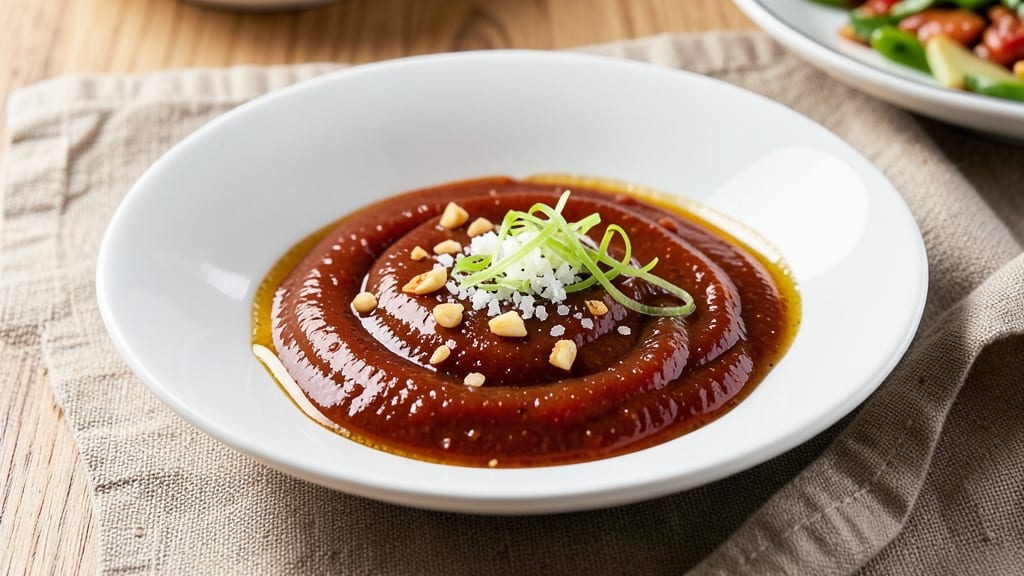
This American chop suey sauce recipe delivers the nostalgic comfort of classic diner flavors in every spoonful, blending tangy, savory, and slightly sweet notes that transform simple dishes into something special.
The secret lies in balancing soy sauce, ketchup, and vinegar for that signature depth, while spices like ginger and garlic add warmth without overpowering.
I developed this version after years of perfecting the sauce for my family’s stir-fries and noodles—it’s the kind of recipe that turns weeknight meals into something memorable.
The sauce is designed to be versatile yet foolproof, with a 30-minute prep time that includes simmering ingredients until thick and glossy. You’ll need just 8 simple ingredients—no fancy techniques required—making it perfect for beginners or anyone short on time.
The result is a rich, slightly sticky sauce that clings beautifully to noodles, meat, or vegetables, elevating even the simplest stir-fry into a restaurant-worthy dish. It also stores well in the fridge for up to 2 weeks, so you can make a big batch and use it all week.
What sets this sauce apart is its balanced flavor profile: the tang of vinegar brightens the richness of soy and ketchup, while a pinch of sugar rounds out the edges.
The sauce works equally well as a dipping sauce for spring rolls, a toss for chow mein noodles, or a glaze for grilled meats. The texture is smooth yet clingy, ensuring every bite is packed with flavor. Once you try this version, you’ll never go back to store-bought.
For an extra layer of texture, I often top the sauce with crispy celery crowns—a nod to the classic diner presentation that adds a satisfying crunch. This optional step takes just 5 minutes and turns the sauce into a showstopper.
Whether you’re recreating a childhood favorite or introducing chop suey to a new generation, this recipe is your ticket to authentic, comforting flavor without the fuss. Let’s get started!
Ingredients for american chop suey sauce
Eight simple ingredients blend tangy, sweet, and savory notes for nostalgic diner-style chop suey sauce.
| Ingredient | Amount | Notes |
|---|---|---|
| Soy Sauce 🍶 | ½ cup | Light or regular, not low-sodium |
| Ketchup 🍅 | ½ cup | Heinz preferred for consistency |
| White Vinegar 🍶 | ¼ cup | Distilled or apple cider works |
| Granulated Sugar 🍚 | 2 tbsp | Light brown sugar for depth |
| Fresh Ginger 🌿 | 1 tbsp | Finely grated, not powdered |
| Garlic Cloves 🧄 | 2 cloves | Minced or pressed for even distribution |
| Celery Crowns 🧅 | ½ cup | Optional for crunchy garnish |
| Vegetable Oil 🫒 | 1 tbsp | For simmering, neutral flavor |
The soy sauce and ketchup are the backbone—Heinz ketchup and La Choy soy sauce at the grocery store give that classic diner taste. Fresh ginger and garlic are non-negotiable for authentic warmth; Trader Joe's sells pre-grated ginger if you're short on time. For the sugar, light brown adds subtle depth, but granulated works in a pinch. The vinegar cuts through the richness, so don’t skimp—distilled vinegar is the most reliable for consistent flavor. I always grab extra soy sauce because this sauce is so versatile I end up using it for everything from stir-fries to dipping spring rolls.
No soy sauce? Coconut aminos work in a bind, though the flavor won’t be identical. Substitute apple cider vinegar for white vinegar, but reduce to 2 tablespoons since it’s milder. Fresh ginger powdered? Use half the amount—it’s concentrated. The celery crowns are optional but add that classic diner crunch; if you skip them, a sprinkle of toasted sesame seeds gives a similar vibe. For a smoother sauce, blend everything after simmering. If you’re feeling fancy, add a dash of Worcestershire sauce for umami depth, but it’s not traditional.
This sauce keeps beautifully—2 weeks in the fridge sealed in a jar. The flavors actually meld better over time, so make a big batch. For the celery crowns, fry them in vegetable oil at 350°F for 3-4 minutes until golden and crisp. Store them separately and sprinkle on top right before serving. Freeze the sauce for up to 3 months if you won’t use it all. I always double the recipe because it disappears faster than you’d think—especially when kids are involved.
Why You'll Love This Recipe
- Pantry Magic: I swear by this sauce because it’s made with stuff you already have. No specialty trips to the store—just soy sauce, ketchup, a splash of vinegar, and a knob of ginger. That’s it. Honestly, I’ve made it three times this month, and every time, I’m impressed by how little effort delivers so much flavor.
- Sweet-Tangy Balance: The sugar and vinegar create this addictive harmony—bright enough to cut through greasy noodles but rich enough to make your taste buds dance. Between us, that ginger? It’s the secret weapon. Freshly grated, it adds a zing that jarred ginger can’t touch, and it’s the only thing keeping me from drowning it in more soy sauce.
- Leftovers That Shine: This sauce doesn’t just taste better the next day—it transforms. Use it to glaze roasted chicken, toss it into fried rice, or drizzle it over steamed veggies. I’ll be real: I’ve had it last a full week in my fridge, and it’s still the star of whatever meal I’m throwing together. Not the prettiest, but the taste makes up for it.
- Budget-Friendly Flex: For under $5, you can make enough to feed a family of four and have leftovers. The ingredients are cheap, the ratio is forgiving, and you can adjust the sweetness or tang to your mood. My daughter picks out the ginger like it’s fancy, but she’ll still ask for seconds—proof that even picky eaters can’t resist this sauce.
Step-by-step instructions for American chop suey sauce
Here's how to make this nostalgic sauce that brings back classic diner flavors.
Prepare the Aromatics for Maximum Flavor
Heat the 1 tablespoon vegetable oil in a medium saucepan over medium-low heat. Add the 2 cloves garlic cloves (minced or pressed) and the 1 tablespoon fresh ginger (finely grated). Cook for 2-3 minutes until the garlic becomes fragrant and just begins to turn golden—this prevents bitterness while building flavor. Stir frequently to avoid burning, as garlic can go from aromatic to bitter in seconds.
Watch for the moment when the mixture smells intensely aromatic—this is your cue to move quickly. The ginger should soften slightly but remain vibrant in color. If it starts to darken, reduce the heat immediately. These aromatics form the flavor foundation, so don't rush this step. I like to press the garlic with the back of a spoon to release more oils before adding it to the pan.
Combine Wet Ingredients for Balanced Flavor
Add the 0.5 cup soy sauce, 0.5 cup ketchup, and 0.25 cup white vinegar to the pan. Stir well to incorporate all the ingredients, then bring the mixture to a gentle simmer over medium heat. The sauce should bubble softly but not vigorously—this prevents the vinegar from evaporating too quickly and losing its tang.
Simmer for 5-7 minutes until the mixture reduces slightly and thickens. You'll notice the sauce darkening slightly as the flavors meld together. This reduction process concentrates the flavors and creates that signature chop suey depth. Taste occasionally—you want the balance of sweet (ketchup), salty (soy sauce), and acidic (vinegar) to harmonize. If it needs more sweetness, add 1 teaspoon granulated sugar at a time until it reaches your preferred balance.
Sweeten and Simmer to Perfection
Add the 2 tablespoons granulated sugar to the simmering sauce. Stir until completely dissolved, then continue simmering for another 3-5 minutes until the sauce thickens to a glossy, syrupy consistency. It should coat the back of a spoon but still flow smoothly. This is where the sauce transforms from basic to restaurant-quality—thick enough to cling to noodles but still pourable.
Here's the thing—don't walk away. You want to watch the sauce closely during this final reduction. If it starts to stick to the pan, add 1-2 tablespoons water to loosen it. The ideal texture should be smooth with a slight sheen, not clumpy or overly thick. When you lift the spoon, the sauce should leave a visible trail that doesn't immediately break apart.
Finish with Celery Crowns for Texture
Remove the sauce from heat and stir in the 0.5 cup celery crowns. Let it sit for 2-3 minutes to allow the celery to soften slightly while retaining its crunch. The celery adds a fresh, crisp contrast that cuts through the richness of the sauce. If you prefer a smoother texture, you can strain out the celery before serving, but I like the little pops of texture it adds.
Taste the sauce one final time and adjust seasoning if needed. Most people find this recipe perfectly balanced, but if you're serving with particularly salty noodles, you might want to reduce the soy sauce slightly next time. This sauce tastes even better after resting for 10-15 minutes—the flavors continue to develop and meld together during this time. Serve warm over noodles, rice, or your favorite stir-fry combination.
Pro Tips For Making American Chop Suey Sauce
- Simmer Slow and Low: After burning the first batch with my stove on high, I learned to keep the heat at a gentle simmer—just enough to bubble softly. This recipe’s vinegar and sugar can turn bitter or grainy if rushed, so let it cook for 10-12 minutes until the ginger dissolves and the flavors meld.
- Grate Ginger Fine: I used to chunk the ginger and wonder why my sauce tasted uneven. Grate it very finely (or pulse in a food processor) so it blends smoothly—no surprises when you taste it. A microplane works best, but a sharp knife in a pinch does the job.
- Balance Vinegar Last: Taste the sauce before adding vinegar—it’s the acid that cuts through the sweetness. Add it a tablespoon at a time until the flavor sings, or you’ll end up with something that tastes like a marinade gone wrong.
- Skip the Bottled Ginger: Fresh ginger’s zing is non-negotiable here. If you’re pressed for time, dried ginger (½ tsp) works in a pinch, but it’s nowhere near as bright. (Yes, I’ve tried the powdered stuff—don’t.)
Troubleshooting this recipe
Sauce Too Thin?
If your sauce isn’t thickening as expected, simmer it uncovered for an extra 5-10 minutes to reduce the liquid. The key is patience—don’t rush it! I’ve found that using cornstarch slurry (1 tbsp cornstarch + 1 tbsp water) stirred in at the end works wonders for instant thickening.
For a smoother finish, blend the sauce briefly after simmering to break up any lumps. 🔥
Overpowering Vinegar?
Too much vinegar can make the sauce taste harsh. Balance it by adding 1 extra tablespoon of sugar or a pinch of salt to round out the flavors. If the acidity still feels strong, reduce the vinegar to 2 tablespoons next time.
I’ve learned to taste as I go—adding vinegar gradually ensures the perfect tang without overdoing it.
Lumpy Sauce?
Lumps happen when ingredients aren’t fully dissolved. Stir constantly while simmering, and use a fine-mesh strainer if needed. For a silky texture, blend the sauce briefly after cooking. I keep a small immersion blender handy for quick fixes—it saves time and ensures a smooth finish every time. 💫
Not Tangy Enough?
If your sauce lacks brightness, add 1 extra teaspoon of vinegar or a splash of lemon juice. A pinch of red pepper flakes can also enhance depth.
For extra tang, I sometimes add 1 teaspoon of rice vinegar—it’s milder but adds complexity. Always taste as you go to adjust seasoning.
Ginger Too Strong?
Fresh ginger can overpower if not balanced. Reduce the amount to ½ tablespoon or swap for ¼ teaspoon of ground ginger. A splash of vinegar or extra sugar helps mellow the flavor.
I’ve found that Trader Joe’s pre-grated ginger is more consistent, so it’s worth trying if fresh ginger is too intense for your taste.
Celery Crowns Not Crispy?
For perfect celery crowns, fry them in vegetable oil at 350°F for 3-4 minutes until golden. Overcrowding the pan lowers the temperature, so fry in batches. Store them in a paper towel-lined jar to keep them crisp.
If they soften, reheat in the oven at 375°F for 2-3 minutes to restore crunch. 🌟
Nutrition facts
Frequently asked questions
Can I make this sauce without ketchup?
Swap the ketchup for ¼ cup tomato paste mixed with 1 tablespoon water to maintain thickness. For a tangier profile, add 1 extra teaspoon of vinegar. The sauce will still have that signature sweetness but with a deeper, umami-rich flavor. If you prefer no tomato at all, use ¼ cup more soy sauce and reduce the sugar to 1 tablespoon.
How long does this sauce keep in the fridge?
The sauce stays fresh for up to 2 weeks when stored in an airtight container. The flavors actually improve over time as they meld together. For longer storage, freeze the sauce for up to 3 months. Thaw it in the fridge overnight before reheating—never microwave directly from frozen to preserve texture.
Can I use this sauce for other dishes besides stir-fry?
This versatile sauce works perfectly as a dipping sauce for spring rolls, a glaze for grilled chicken or tofu, or even a marinade for beef skewers. It also elevates simple dishes like scrambled eggs or fried rice. The key is to adjust the thickness: thin with water for dipping, or reduce further for glazing. I’ve even used it as a base for homemade chow mein noodles!
Why does my sauce taste too salty?
Too much soy sauce is usually the culprit. Reduce the amount to ¼ cup next time, or balance it with 1 extra tablespoon of sugar or a splash of vinegar. If the sauce is already made, dilute with 1-2 tablespoons of water and adjust seasoning. For future batches, taste as you go—adding soy sauce gradually prevents over-salting. Coconut aminos can also help if you need a lower-sodium option.
Can I make this sauce in a slow cooker?
Yes! Combine all ingredients in your slow cooker and cook on Low for 2-3 hours, stirring occasionally. The gentle heat will create a smoother, thicker sauce. For extra depth, add ½ cup water to prevent burning. The slow cooker method is perfect for hands-off prep, especially if you’re making a large batch. Just