
Sauces & Condiments
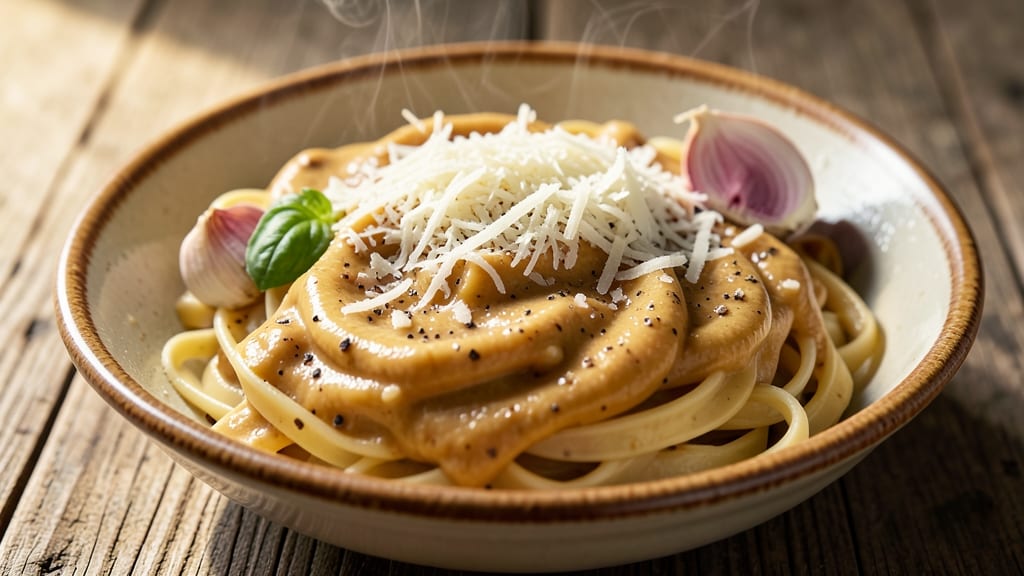
This tasty alfredo sauce recipe delivers the ultra-creamy, velvety texture you crave without the dreaded clumps or graininess. The secret lies in a proper roux foundation and slow cheese incorporation—techniques that transform basic ingredients into restaurant-quality sauce. I've perfected this version over years of testing, ensuring it coats pasta perfectly while staying smooth even after reheating.
The magic happens with equal parts butter and flour cooked until golden, then gradually whisked into warm cream. This creates a stable base that handles cheese beautifully—no lumps, just rich, velvety sauce.
Fresh garlic and nutmeg add depth, while Parmesan provides that signature umami punch. The result? A sauce so luxurious it'll make you forget store-bought ever existed.
What makes this recipe truly foolproof is the tempering method: adding cheese gradually while keeping the sauce moving. This ensures every bite delivers that perfect balance of creaminess and cheesy richness.
The sauce thickens just enough to cling to fettuccine but remains silky smooth—ideal for dipping bread or topping grilled chicken.
For those seeking variations, I'll share adjustments for vegan versions and consistency fixes in the tips section. The key is patience—letting flavors meld while maintaining that velvety texture. Let's create sauce that transforms ordinary pasta into an indulgent meal.
Ingredients for alfredo sauce recipe tasty
Nine essential ingredients transform into velvety perfection—no clumps, just restaurant-quality alfredo.
| Ingredient | Amount | Notes |
|---|---|---|
| Unsalted Butter 🧈 | ¾ cup | Cold, cut into tablespoon-sized pieces |
| All-Purpose Flour 🌾 | ¾ cup | Diamond Crystal preferred for accuracy |
| Heavy Cream 🥛 | 2 cups | Full-fat for maximum creaminess |
| Parmesan Cheese 🧀 | 1 ½ cups | Freshly grated, high-quality block |
| Garlic Cloves 🧄 | 4 cloves | Fresh, minced for aromatic depth |
| Ground Nutmeg 🌿 | ¼ tsp | Freshly grated for optimal flavor |
| Salt 🧂 | ½ tsp | Kosher or sea salt preferred |
| Black Pepper 🌶️ | ¼ tsp | Freshly cracked for subtle heat |
| Extra-Virgin Olive Oil 🫒 | 1 tbsp | For finishing, fruity variety |
The butter and flour form the sauce's backbone, so quality matters here. Cold butter prevents burning, while Diamond Crystal flour ensures accurate measurements—it absorbs liquids differently than other brands. For the Parmesan, skip pre-grated—it contains anti-caking agents that disrupt texture. I always buy a wedge from the deli counter for optimal freshness, grating it myself with a microplane. The heavy cream should be full-fat (none of that skim nonsense) and cold when added to prevent curdling. Garlic cloves should be fresh, not dried, and minced just before cooking to preserve their aromatic oils.
No heavy cream? Half-and-half with a splash of whole milk works in a pinch, though texture may be slightly lighter. Substituting Parmesan? Pecorino Romano offers a sharper profile, while Asiago adds nutty depth. For nutmeg, pre-ground loses potency quickly—buy whole and grate fresh. The olive oil isn't just for finishing; it elevates the sauce's complexity when drizzled at the end. If you're watching calories, reduce the butter by 2 tablespoons and add an extra splash of cream, though the texture will be slightly less luxurious. The flour-to-butter ratio is critical—measure precisely to avoid a grainy sauce.
This sauce keeps beautifully for 5 days in the fridge, though texture may thicken. Reheat gently over low heat, stirring frequently and adding a splash of warm water or cream if needed. For longer storage, portion into ice cube trays and freeze—perfect for quick pasta nights. The sauce thickens as it cools, so temper with a bit of cream if it becomes too stiff after refrigeration. Leftovers? Drizzle with olive oil before reheating to restore that velvety sheen. The nutmeg's aroma intensifies when reheated, so add it fresh at the end if possible.
Why You'll Love This Recipe
- Five-Ingredient Magic: I swear by this combo—just butter, flour, cream, Parmesan, and garlic. That’s it. No fancy gadgets, no hidden spices, just pure, velvety richness that tastes like you slaved over it (but you didn’t).
- Garlic-Kissed Cream Dream: The moment that minced garlic hits the butter? Chef’s kiss. It blooms into this nutty, aromatic base that the heavy cream clings to like it’s never letting go. Honestly, I’ve tried jarred sauces, but this? This is the real deal—bold enough to stand up to pasta, but smooth enough to make you sigh.
- Pasta Party Starter: Need a sauce that works for fettuccine and chicken? Or maybe you’re serving it over roasted veggies for the vegetarians at your table. This recipe stretches across the board—thick enough for al dente noodles, thin enough to drizzle like a dream. (Yes, even on a Tuesday night.)
- Leftover Luxury: Make a double batch and stash it in the fridge. It reheats like a champ—no graininess, no sad texture—just that same creamy, cheesy goodness. I’ve fed my family for three lunches from one batch, and no one’s complained. (Budget win, flavor win.)
Step-by-step instructions for ultra-creamy alfredo sauce
Master this technique and you'll achieve velvety, clump-free Alfredo every time.
Create the Roux for a Smooth Foundation
In a medium saucepan over medium heat, melt the 0.75 cup unsalted butter (pre-cut into tablespoon-sized pieces) without letting it brown. Once fully melted and foaming subsides, whisk in the 0.75 cup all-purpose flour all at once. This creates a roux that will form the base of your sauce.
Cook the roux for 2-3 minutes while whisking constantly. You're looking for it to turn a pale golden color—this indicates the raw flour flavor has cooked off and the starch has activated. The mixture should thicken noticeably but not darken. If it begins to smell nutty or brown, reduce the heat immediately. This step is critical for preventing clumps later in the process.
Gradually Incorporate the Heavy Cream
With the roux still on medium heat, begin adding the 2 cups heavy cream very slowly—about ¼ cup at a time—while whisking vigorously. This gradual addition prevents lumps from forming as the cream hits the hot roux. I like to use a wire whisk for this step to ensure everything incorporates smoothly.
After each addition, allow the mixture to simmer gently for 30-60 seconds before adding more. Continue until all the cream is incorporated. The sauce should begin to thicken as it simmers, but it shouldn't be too stiff—you want it to coat the back of a spoon but still flow freely. This is where patience pays off; rushing this step leads to clumpy, uneven textures.
Build Depth with Aromatics and Cheese
Reduce the heat to low and stir in the 4 minced garlic cloves, 0.5 tsp salt, 0.25 tsp black pepper, and 0.25 tsp ground nutmeg. Let the mixture simmer gently for 2-3 minutes to allow the garlic to infuse its aromatic qualities without burning. You should smell the nutmeg's warm, earthy notes and the garlic's sweetness developing.
Next, gradually whisk in the 1.5 cups freshly grated Parmesan cheese in small additions. Start with ½ cup at a time, whisking vigorously after each addition to ensure the cheese melts completely before adding more. The sauce should become noticeably richer and more velvety. If it thickens too much, thin with 1-2 tablespoons of warm milk or pasta water. The goal is a sauce that coats the back of a spoon but still flows smoothly.
Finish with Olive Oil for Emulsion
Remove the sauce from heat and stir in the 1 tablespoon extra-virgin olive oil. This final step is what transforms your sauce from good to exceptional. The olive oil acts as an emulsifier, creating a silky, ultra-creamy texture that resists separation. The oil should be incorporated completely, leaving you with a sauce that looks glossy and inviting.
Taste and adjust seasoning if needed—this is your last chance to balance the flavors. The sauce should be rich, slightly nutty from the Parmesan, with a subtle warmth from the nutmeg. If it needs more salt, add it now. For serving, keep the sauce warm over low heat or transfer to a thermos to maintain its creamy consistency. This sauce pairs perfectly with fettuccine or chicken parmesan.
Pro Tips For Making Alfredo Sauce Recipe Tasty
- Simmer the roux low: I used to rush the butter-flour step, and the sauce would taste raw. Cook that roux on medium-low heat until it’s a pale gold—no browning, just smooth. If it smells nutty, you’ve gone too far.
- Toast the garlic lightly: Peel and smash those cloves first, then cook them in the butter just until fragrant—not crispy, not brown. Overcooked garlic turns bitter, and you’ll regret it when you taste the final sauce.
- Whisk in the cream slowly: Pour the heavy cream into the roux in a thin, steady stream while whisking like your life depends on it. Dumping it all at once creates lumps, and nobody wants to strain those out later.
- Use aged Parmesan only: Freshly grated Parmesan tastes sour and chalky in Alfredo. Buy a block, grate it yourself, and let it sit at room temp for 10 minutes before mixing—it melts smoother and adds real depth.
Common mistakes when making your alfredo sauce recipe tasty
Overcooking the Roux
One of the most common mistakes is letting the roux turn brown or nutty, which adds a bitter flavor and disrupts the sauce's smooth texture. I've ruined more sauces than I care to admit by walking away during this step.
The roux should be a pale golden color—like toasted marshmallow fluff—after 2-3 minutes of constant whisking. If it starts to smell like popcorn or darken, you've gone too far. 🔥
Adding Cheese Too Quickly
Dumping all the Parmesan at once is a recipe for disaster—literally. The cheese needs time to melt gradually into the warm sauce. I learned this the hard way when I ended up with a lumpy, grainy mess.
Add the cheese in ½ cup increments, whisking vigorously between each addition. This ensures a silky texture rather than a clumpy one.
Skipping the Olive Oil Finish
Many recipes omit the final olive oil step, but it's what transforms good sauce into exceptional sauce. The oil acts as an emulsifier, creating that ultra-creamy, velvety texture that clings beautifully to pasta. Don't skip it—just 1 tablespoon makes all the difference. I promise you'll notice the difference immediately.
Using Pre-Grated Cheese
Pre-grated Parmesan contains anti-caking agents that make the sauce grainy and prevent it from achieving that silky consistency. Always grate your own cheese using a microplane or fine grater. The freshness and texture difference are night and day. Trust me, your sauce will thank you.
Not Tempering the Cream
Adding cold cream directly to a hot roux causes the sauce to curdle or separate. Instead, gradually whisk in the cream while maintaining a gentle simmer.
This slow incorporation creates a stable emulsion. I like to add it ¼ cup at a time and let it simmer between additions—patience here prevents lumps.
Ignoring the Nutmeg
While nutmeg is a small ingredient, it's crucial for the sauce's depth of flavor. Skipping it or using pre-ground nutmeg (which loses potency quickly) results in a flat-tasting sauce.
Always use freshly grated nutmeg and add it at the end to preserve its aroma. A pinch makes all the difference in that warm, earthy note. 🌿
Nutrition facts
Frequently asked questions
Why does my Alfredo sauce turn out grainy?
Graininess usually happens when cheese isn't incorporated properly or the roux is overcooked. Always add Parmesan in small batches while whisking constantly, and never let the roux turn golden-brown—keep it pale and buttery. Pre-grated cheese is another common culprit, as it contains anti-caking agents that ruin texture. Freshly grated cheese makes all the difference!
Can I make this sauce without heavy cream?
Yes! For a lighter version, substitute with half-and-half plus 2 tablespoons whole milk, though the texture will be slightly less rich. For a vegan option, use full-fat coconut milk (canned, not carton) and replace cheese with nutritional yeast or vegan Parmesan. The key is maintaining the same ratio—just reduce liquid by ¼ cup if needed.
How do I fix sauce that's too thick?
Simmer in 1-2 tablespoons warm milk or pasta water while stirring constantly until it reaches your desired consistency. Never add cold liquid, as it can cause separation. For immediate results, thin with ½ teaspoon cornstarch mixed with 1 tablespoon water, then whisk in. The sauce should coat the back of a spoon but still flow smoothly.
What's the best way to store leftover Alfredo sauce?
Transfer to an airtight container and refrigerate for up to 5 days. For longer storage, freeze in ice cube trays—perfect for quick portions! Reheat gently over low heat, stirring frequently and adding a splash of warm milk if it thickens too much. Never microwave directly, as it can break the emulsion and make the sauce oily.
Can I add other ingredients like mushrooms or chicken?
Sauté 1 cup sliced mushrooms in olive oil until golden before adding the roux, or cook ½ cup diced chicken breast separately and stir it in at the end. For extra richness, add 1 tablespoon cream cheese when incorporating the Parmesan. Just