
Sauces & Condiments
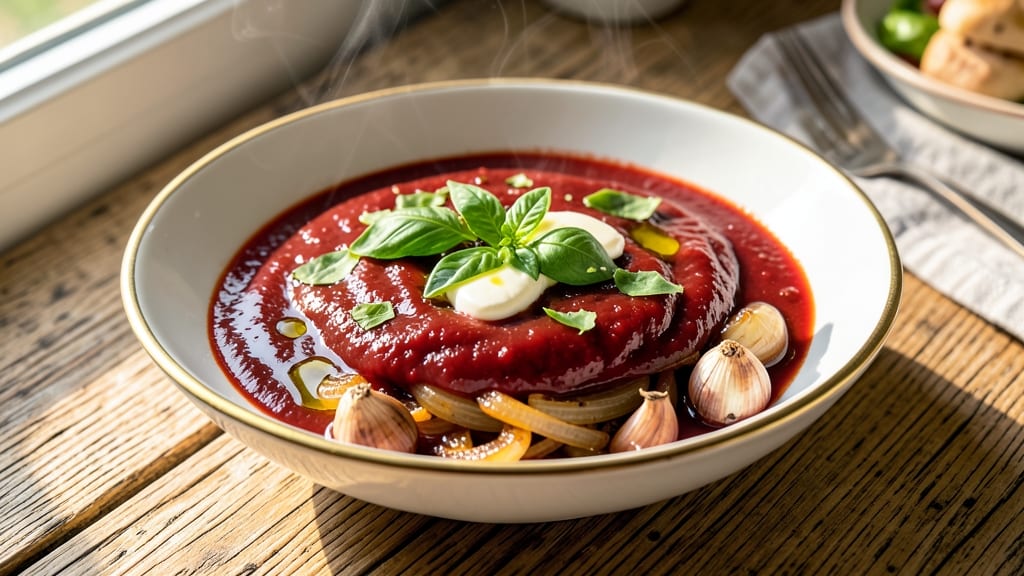
This authentic marinara sauce recipe from scratch is the kind of sauce that makes you want to slow down and savor every spoonful—no blender required. 💛 I remember the first time I tasted a proper marinara simmered for hours in a rustic Italian kitchen, and it changed how I think about tomato sauce forever.
The secret lies in letting the tomatoes break down naturally, building layers of flavor through slow cooking and simple aromatics.
What makes this recipe special is its simplicity and depth. We're talking about a sauce that's rich but not heavy, bright but not acidic, with just the right balance of garlic, herbs, and a touch of sweetness.
No shortcuts here—just quality ingredients and time to develop that restaurant-quality flavor. The key is reducing the sauce properly, which concentrates the flavors and creates that perfect consistency.
By the end, you'll have a vibrant, aromatic marinara that's perfect for dipping, tossing with pasta, or serving alongside grilled meats. The sauce keeps well in the fridge for up to a week, so you can make a big batch and enjoy it all week long.
Trust me, once you taste the difference between this and store-bought, you'll never go back.
And the best part? This recipe is incredibly adaptable. Want to make it vegan? Just swap the butter for olive oil. Prefer a quicker version? We've got you covered. Here's how to make it—no fancy equipment needed, just good ingredients and a little patience.
Ingredients for authentic marinara sauce recipe from scratch
Ten simple ingredients transform into restaurant-quality marinara with just time and love.
| Ingredient | Amount | Notes |
|---|---|---|
| Extra-Virgin Olive Oil 🫒 | ½ cup | High quality, fruity flavor preferred |
| San Marzano Tomato Cans 🍅 | 28 oz | Whole peeled tomatoes, no salt added |
| Yellow Onion 🧅 | 1 whole | Medium size, finely chopped |
| Garlic Cloves 🧄 | 4 cloves | Fresh, minced for depth of flavor |
| Unsalted Butter 🧈 | 2 tbsp | Full-fat for richness (or olive oil) |
| Fresh Basil Leaves 🌿 | ½ cup | Packed, stems removed for brightness |
| Dried Oregano 🍃 | 1 tsp | Italian or Mediterranean blend preferred |
| Red Wine Vinegar 🍷 | 1 tbsp | For bright acidity balance |
| Granulated Sugar 🍚 | 1 tsp | Balances acidity naturally |
| Kosher Salt 🧂 | 1 ½ tsp | Diamond Crystal preferred |
The tomatoes are non-negotiable. San Marzano cans are worth the splurge—they're sweeter, meatier, and less acidic than regular tomatoes. Trader Joe's and Whole Foods carry them, and they keep for months in your pantry. Fresh basil is ideal, but dried oregano (at half the amount) works in a pinch. The garlic? Fresh, never jarred—it makes all the difference. For the olive oil, California avocado oil or Spanish Picual adds depth that regular supermarket oil can't match.
No San Marzano tomatoes? Crushed tomatoes in a can work, but add an extra pinch of sugar. Running low on basil? Dried basil at one-third the amount or parsley for a different twist. The butter can be swapped for extra olive oil, but you'll lose that velvety richness. Balsamic vinegar works if you're out of red wine vinegar, though it'll taste slightly different. For a quicker version, skip the long simmer and blend briefly—but trust me, the slow method is worth it. The onions can be swapped for shallots if you're feeling fancy.
This sauce tastes even better the next day as flavors meld. Store in an airtight container in the fridge for up to 1 week, or freeze for 6 months in portions. I like to freeze it in ice cube trays—perfect for adding to pasta later. If it thickens too much, just whisk in a splash of water or pasta water. The acidity balances out over time, so don't worry if it tastes a bit sharp fresh out of the pot.
Why You'll Love This Recipe
- No-Chop Nightmare: I swear by this method—just one onion, finely minced in seconds with a knife, no fancy tools. The San Marzano tomatoes handle all the work while you stir, leaving me with zero cleanup except the pot.
- Umami Bomb: That butter and olive oil combo? It’s where the magic happens. The slow simmer lets the garlic melt into the tomatoes, giving it that deep, rich flavor that tastes like you spent hours—when really, it’s just 25 minutes of your life.
- Pasta Party Ready: Between us, this sauce is my go-to for date nights, family dinners, or when I’m too tired to plan. Dump it on spaghetti, toss it with chicken, or freeze half for when laziness strikes again.
- Budget-Friendly Staple: A single can of San Marzanos and a head of garlic stretch across three meals. Honestly, I make a double batch every Sunday—leftovers feed me for days, and the cost? Less than takeout for one.
Step-by-step instructions for authentic marinara sauce
Here's the classic Italian method—no blender, just pure simmered tomato perfection.
🍳 Step 1: Build the Flavor Base
Heat the 0.5 cup extra-virgin olive oil in a large, heavy-bottomed saucepan over medium-low heat. Add the 1 whole yellow onion, finely chopped, and cook for 5 minutes until soft and translucent—no browning yet. You want the onion to melt into the oil without turning golden.
Add the 2 tbsp unsalted butter and let it melt into the onion mixture. Here's where the magic starts: stir in the 4 cloves minced garlic and cook for 1 minute until fragrant but not browned. Garlic burns fast—watch it like a hawk! The moment it smells heavenly but hasn't turned golden, move to the next step.
🍳 Step 2: Sweat the Tomatoes
Add the 28 oz San Marzano tomato cans (crushed by hand if possible, but whole is fine too). Stir everything together and let it simmer uncovered for 10 minutes over medium heat. This initial simmer breaks down the tomatoes and releases their juices, creating a smooth base without needing a blender.
Here's the thing—don't rush this step. You're building layers of flavor. The tomatoes should start to break down and release their natural sweetness. If they're not releasing juice yet, give them another 5 minutes of gentle simmering. This is where authentic marinara gets its depth.
🍳 Step 3: Season and Simmer Low and Slow
Add the 1 tsp dried oregano, 1 tbsp red wine vinegar, 1 tsp granulated sugar, and 1.5 tsp kosher salt. Stir well to combine. The vinegar brightens the sauce, the sugar balances the acidity, and the salt enhances all the flavors. Let the sauce simmer uncovered over low heat for 30-40 minutes, stirring occasionally.
This long simmer is what makes marinara authentic. You want the sauce to reduce slightly and develop a velvety texture. The onions and garlic should melt completely into the sauce, creating a rich, complex flavor. Taste after 30 minutes—if it needs more salt or acid, adjust now. The sauce should be balanced but still vibrant.
🥘 Step 4: Finish with Fresh Herbs
Remove the sauce from heat and stir in the 0.5 cup fresh basil leaves, stems removed. The basil adds a bright, fresh finish that cuts through the richness of the tomatoes and butter. Let the sauce sit off the heat for 5 minutes—this allows the flavors to meld perfectly.
Here's the pro tip: If the sauce is too thick, add 1-2 tablespoons of water or pasta water to loosen it to your desired consistency. Marinara should coat the back of a spoon but still be pourable. The fresh basil will wilt slightly, but that's okay—it releases its oils and infuses the sauce with its signature brightness.
⏰ Step 5: Rest and Serve
Let the sauce rest for 10-15 minutes before serving. This resting period allows the flavors to fully develop and the sauce to reach its peak. The longer it sits, the better it tastes—this is especially true if you're making it ahead of time.
Serve the marinara warm over al dente pasta, drizzled with a little extra extra-virgin olive oil and topped with a sprinkle of fresh basil. This sauce is the heart of Italian cooking—simple, authentic, and packed with flavor. Enjoy it immediately, or store it in the fridge for up to 5 days or in the freezer for 3 months. The flavors only get better with time!
Pro Tips For Making Authentic Marinara Sauce Recipe From Scratch
- Sweat the Onion Slowly: I learned this the hard way—chopping onions finely and cooking them on medium-low heat until they’re translucent (about 8-10 minutes) pulls out their natural sweetness without burning. Rush this, and you’ll end up with bitter bits that ruin the sauce’s balance, especially when paired with San Marzano’s bright acidity.
- Crush Garlic After Cooking: Add whole garlic cloves to the oil first, then smash them flat with the back of a spoon after they’re golden. This prevents burning and lets the flavor infuse evenly—no need to peel them ahead of time. (Yes, even if you’re impatient like me.)
- Simmer Without Stirring: Once the tomatoes hit the pot, let the sauce bubble freely for the first 10 minutes. Stirring constantly just breaks down the tomatoes into mush faster. After that, a gentle stir every few minutes keeps it smooth without turning it into paste.
- Use Butter for Depth: Swirl in the unsalted butter at the very end—just before serving—off the heat. It coats the sauce and adds a rich finish, but adding it earlier can make the sauce split or taste greasy. (Your future self will thank you.)
Flavor customization for authentic marinara sauce recipe from scratch
Sweet and Tangy Twist
Add 1 tbsp honey or 1 tsp maple syrup along with the sugar to deepen the sauce's sweetness while keeping the bright acidity from the vinegar. This works especially well with heartier dishes like braised meats or grilled sausages.
I find it balances the richness beautifully—just don't overdo it, or the sauce will taste cloying. 🍯
Spicy Kick
For heat lovers, stir in ½ tsp crushed red pepper flakes or 1-2 fresh chili peppers (like jalapeño or serrano) during the initial simmer. If you're feeling bold, add 1 tsp Calabrian chili paste with the vinegar—it brings a smoky, fruity heat that's perfect for pizza or pasta.
Taste as you go, since chili peppers vary in intensity.
Umami Boost
Enhance the depth with 1 tbsp tomato paste or 1 anchovy fillet (finely chopped) during the flavor base step. The anchovy dissolves completely but adds a savory punch that elevates the sauce.
For a vegetarian option, use 1 tsp soy sauce or ½ tsp mushroom powder instead. This works especially well with creamy pasta dishes like fettuccine Alfredo.
Herb Variations
Swap out the basil for other fresh herbs like ½ cup parsley (for a brighter, cleaner taste) or ¼ cup oregano (for a more Mediterranean profile). I love using ½ cup cilantro in a Mexican-inspired marinara—it pairs perfectly with ground beef or chicken.
Just remember, cilantro's flavor is polarizing, so test it first!
Creamy Marinara
For a richer texture, stir in ¼ cup heavy cream or ½ cup ricotta cheese at the very end, just before serving. The cream should be warmed first to prevent curdling.
This version works beautifully with creamy pasta shapes like penne or rigatoni. If you're making it ahead, add the cream just before serving to maintain the best texture. 🧀
Nutrition facts
Frequently asked questions
Why do you recommend San Marzano tomatoes specifically?
San Marzano tomatoes are the gold standard for marinara because they're sweeter, meatier, and less acidic than regular tomatoes. Their unique shape and flavor profile create a smoother, more balanced sauce with less watery texture. The effort to find them is worth it—they're what gives authentic Italian marinara its signature richness and depth.
Can I make this marinara without fresh basil?
If you don't have fresh basil, use 1 tbsp dried basil (or 1 tsp dried oregano for a different twist). For a brighter taste, try ½ cup parsley instead. The key is balancing the herbs—just remember dried herbs are more concentrated, so use about one-third the amount of fresh.
How do I fix marinara that's too thick or too thin?
For thick sauce, whisk in 1-2 tablespoons of water or pasta water until smooth. For thin sauce, simmer uncovered for 10-15 extra minutes to reduce. The perfect consistency should coat the back of a spoon but still be pourable. Pro tip: If it separates, stir vigorously to recombine the oils.
Is this marinara vegan-friendly?
Almost! Just swap the 2 tbsp butter for 2 tbsp olive oil and use vegetable broth instead of water. The rest of the ingredients are already plant-based. For extra richness, stir in 2 tbsp nutritional yeast at the end—it adds a cheesy umami flavor that works beautifully.
Can I make this sauce in a slow cooker?
Yes! Follow the same steps but transfer everything to your slow cooker after the initial 10-minute simmer. Cook on low for 4-6 hours instead of simmering on the stove. The long cook time actually enhances the flavors—just stir occasionally and add water if needed to prevent burning.