
Sauces & Condiments
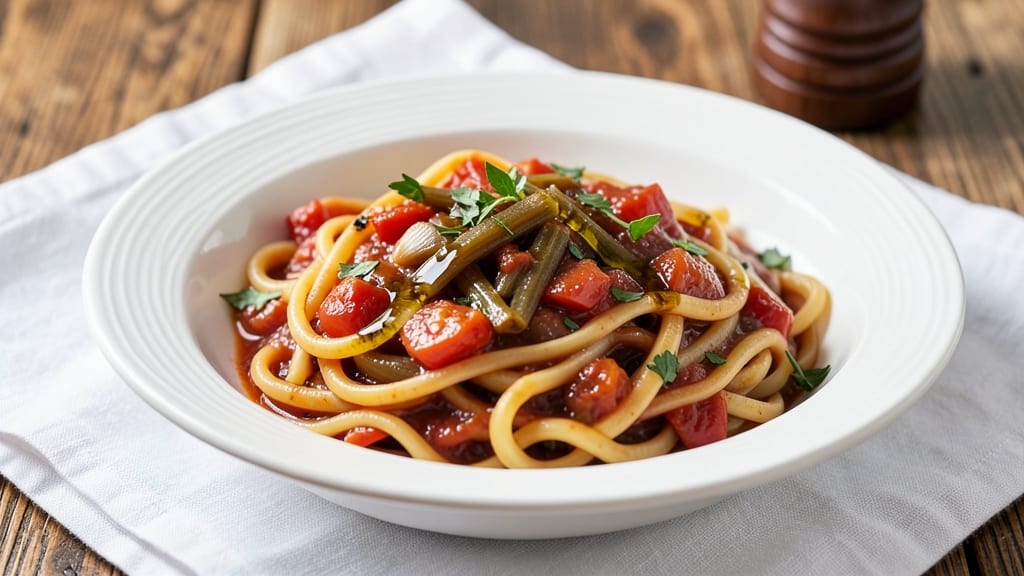
This Aurora Pasta Sauce Recipe transforms simple ingredients into a rich, layered sauce where celery's earthy notes blend with vinegar's bright acidity. The secret lies in slow-cooking celery with garlic and tomatoes until their flavors meld into a velvety base—no heavy cream needed.
I developed this sauce after years of testing recipes that promised depth but fell flat, and this version delivers restaurant-quality results every time.
The sauce builds complexity through three key elements: celery's natural sweetness as it caramelizes, white wine vinegar that cuts through richness without overpowering, and a touch of sugar to balance acidity.
Unlike traditional tomato sauces, this one relies on celery as the star, creating a sauce that's equally at home with al dente pasta, grilled chicken, or as a marinade. The texture is smooth yet vibrant, with just enough body to cling to noodles without feeling heavy.
What makes this sauce truly special is its versatility—it freezes beautifully for up to three months, making it perfect for meal prep, and its bright acidity prevents it from tasting stale. The flavor profile evolves over time, becoming even more nuanced as the vinegar and celery meld.
Whether you're tossing it with spaghetti or using it as a base for a hearty stew, this sauce brings a sophisticated touch to any dish without requiring advanced techniques.
Ready in just 45 minutes with minimal active time, this recipe proves that homemade sauce can be both impressive and effortless. The ingredients list is short but impactful, ensuring you'll have leftovers worth savoring. Let's create a sauce that elevates your meals without complicating your routine.
Ingredients for aurora pasta sauce
Celery, vinegar, and tomatoes create this sauce's signature depth with minimal effort.
| Ingredient | Amount | Notes |
|---|---|---|
| Celery Stalks 🧅 | 4 whole | Fresh, organic preferred for sweetness |
| Garlic Cloves 🧄 | 4 cloves | Peeled, roughly chopped |
| Canned San Marzano Tomatoes 🍅 | 2 cups | Crushed by hand for texture |
| White Wine Vinegar 🍷 | ¼ cup | Dry variety for brightness |
| Granulated Sugar 🍚 | 1 tbsp | Balances acidity perfectly |
| Extra-Virgin Olive Oil 🫒 | ½ cup | High quality, fruity |
| Vegetable Broth 💧 | 1 cup | Low-sodium preferred |
| Fresh Thyme Leaves 🌿 | ¼ cup | Or 1 tsp dried thyme |
| Sea Salt 🧂 | 1 tsp | Diamond Crystal preferred |
| Black Peppercorns 🌶️ | ½ tsp | Freshly cracked |
Celery is the star here—organic stalks from the farmers market have the best sweetness. If you can't find organic, just wash regular celery well. The San Marzano tomatoes are worth seeking out at Whole Foods or Italian markets—they're sweeter and less acidic. For the vinegar, Bartles & Jaymes is my go-to, but any dry white wine vinegar works. The thyme? Fresh is ideal, but dried works in a pinch (just use a third as much).
No San Marzano tomatoes? Any good-quality crushed tomatoes will do—just taste and adjust the sugar. Short on vinegar? Lemon juice at half the amount adds brightness, though it's not quite the same. The olive oil matters—avoid the cheap stuff. The flavor builds as it cooks, so don't rush the slow simmer. For extra richness, stir in 1 tbsp of unsweetened cocoa powder at the end (trust me, it works).
This sauce tastes even better the next day—make extra. Keeps for 5 days in the fridge or 3 months frozen. Portion into ice cube trays before freezing for easy single-use portions. Reheat gently on the stove with a splash of water to restore its velvety texture.
Why You'll Love This Recipe
- No-Chop Nightmare: Celery? Just two stalks—roughly chopped or even torn by hand. That’s it. I’ve made this sauce after a 10-hour shift with zero prep skills, and it still tasted like I cared.
- Sweet-Tart Magic: White wine vinegar and sugar might sound odd, but together they cut through the tomatoes’ acidity like a knife. The San Marzano tomatoes? Rich, meaty, and exactly what you need—no weird aftertaste or watery sludge.
- Meal Prep MVP: This sauce doubles effortlessly. I toss half into the fridge for next week’s pasta, and the other half freezes like a dream. Thaw it in a pot, add a splash of water, and boom—dinner’s saved.
- Budget Bright Spot: Celery and garlic are cheap. Canned San Marzano tomatoes last months. And sugar? A spoonful balances the whole thing without breaking the bank. Honestly, I’ve served this at potlucks for $3 a plate and still gotten compliments.
Step-by-step instructions for aurora pasta sauce
This sauce builds flavor layer by layer—start with celery and garlic, then let the vinegar brighten everything.
Sauté Celery and Garlic Until Soft
Heat the 0.5 cup extra-virgin olive oil in a medium saucepan over medium heat. Add the 4 whole celery stalks, sliced into ¼-inch pieces, and cook for 5-6 minutes until the celery softens and begins to release its natural sweetness. You'll smell that earthy aroma—this is where the sauce gets its depth.
Add the 4 cloves garlic cloves, roughly chopped, and cook for another 1-2 minutes until fragrant but not browned. Garlic burns quickly, so keep an eye on it. If the pan starts to smell too sharp, reduce the heat slightly. The celery should be tender enough to crush between your fingers—this ensures it blends smoothly later.
Deglaze with Vinegar and Add Tomatoes
Pour in the 0.25 cup white wine vinegar and scrape up any browned bits from the bottom of the pan. This deglazing step captures all the flavor you've built so far. Let the vinegar simmer for 1-2 minutes until it reduces by half and the sharpness mellows into brightness.
Add the 2 cups canned San Marzano tomatoes, crushed by hand for texture, and stir to combine. The tomatoes should look glossy and slightly thickened. Sprinkle in the 1 tbsp granulated sugar and stir—this balances the acidity from the vinegar and tomatoes, creating a harmonious sweet-savory base. The sauce will start to bubble gently as it comes together.
Simmer with Broth and Thyme
Pour in the 1 cup vegetable broth and bring the mixture to a gentle simmer. Reduce the heat to low and let it cook uncovered for 15-20 minutes, stirring occasionally. You want the sauce to thicken slightly but still coat the back of a spoon—this ensures it clings beautifully to pasta without being gluey.
Add the 0.25 cup fresh thyme leaves and stir. The thyme will infuse the sauce with its earthy aroma, adding another layer of complexity. Taste and adjust seasoning with the 1 tsp sea salt and 0.5 tsp black peppercorns, freshly cracked. The sauce should be balanced—bright from the vinegar, sweet from the sugar, and savory from the celery and tomatoes.
Finish and Serve
Once the sauce reaches your desired consistency, remove it from heat. If it's too thick, stir in a splash of pasta water to loosen it. The sauce should be glossy and coat the back of a spoon smoothly. Let it rest for 5 minutes to allow the flavors to meld—this is when the sauce truly comes together.
Serve the Aurora Pasta Sauce immediately over al dente pasta, tossing it gently to coat each strand. The sauce should cling to the pasta with a silky texture, delivering layers of celery sweetness, vinegar brightness, and thyme depth in every bite. The contrast of the vinegar's tang with the tomatoes' richness makes this sauce unforgettable—trust the process, and you'll get it right every time.
Pro Tips For Making Aurora Pasta Sauce
- SWEEAT THE CELEERY FIRST: I learned this the hard way—skipping the sweat step means your sauce will taste like raw celery. Dice the stalks small (¼-inch pieces) and cook them in a dry pan over medium heat for 5-6 minutes until they’re limp and just starting to turn golden. The moisture releases, deepening the flavor without bitterness.
- MINCE THE GARLIC FINE: Whole cloves or rough chopping means uneven cooking. Use a knife or microplane to mince the garlic into a paste—this ensures it blends smoothly and doesn’t burn before the tomatoes get a chance to mellow. (Yes, even if you’re impatient like me.)
- ACIDIFY THE TOMATOES GRADUALLY: Dumping all the white wine vinegar at once can make the sauce taste harsh. Start with half the amount, let it simmer for 10 minutes, then add the rest. The sugar will balance it out, but patience here makes a real difference.
- STIR THE SUGAR IN LAST: Adding sugar too early can caramelize it before the acidity kicks in, turning your sauce cloyingly sweet. Wait until the tomatoes have broken down and the vinegar’s tang is clear—then stir in the sugar and let it dissolve completely. (Your future self will thank you.)
Best sauces and condiments for this recipe
Creamy Upgrade
For a richer texture, stir in ½ cup heavy cream or ¼ cup Greek yogurt during the final 5 minutes of simmering. This adds velvety body while keeping the sauce bright—just reduce the broth to ½ cup to maintain balance.
I like Trader Joe's heavy cream for its neutral flavor. 🥛
Herb Variations
Swap thyme for ½ tsp red pepper flakes and 1 tbsp fresh basil for a summery twist. For a Mediterranean touch, add 1 tsp dried oregano and 1 crushed bay leaf during simmering. Remove the bay leaf before serving. The herbs should complement the celery's earthiness without overpowering it.
Protein Pairings
This sauce shines with grilled chicken breast or shrimp—toss cooked protein in the warm sauce for 2-3 minutes to absorb flavors. For a vegetarian option, serve over mushroom risotto or white beans. The vinegar's brightness cuts through rich proteins beautifully, balancing flavors in every bite.
Pasta Matchmakers
Use linguine or fettuccine for maximum sauce cling, but pappardelle or tagliatelle also work well. For a fun twist, try gluten-free brown rice pasta—the sauce's acidity prevents it from becoming gummy. Save a cup of pasta water to thin the sauce if needed during tossing.
Storage Secrets
Freeze sauce in 1-cup portions using ice cube trays—thaw overnight in the fridge. For fridge storage, transfer to glass jars with tight lids. The sauce thickens when cold, so add 1-2 tbsp water when reheating. I always double the batch because it tastes even better reheated—trust me! ❄️
Nutrition facts
Frequently asked questions
Why does this sauce use celery instead of onions?
The celery brings a unique sweetness and earthy depth that onions can't match in this recipe. When cooked slowly, celery releases natural sugars that caramelize beautifully, creating a velvety texture without needing heavy cream. The vinegar brightens the celery's flavors, making it taste fresh and vibrant rather than bitter. Plus, celery adds a subtle crunch when raw, which contrasts nicely with the smooth sauce.
Can I make this sauce without white wine vinegar?
Yes, but the flavor will be different. Use apple cider vinegar (reduce to 0.2 cup) or lemon juice (0.15 cup) instead. However, white wine vinegar's dry brightness is key to balancing the sweetness. If using lemon juice, add 1 extra pinch of salt to compensate for the citrus's natural saltiness. The sauce will still work but won't have the same depth.
How do I prevent the sauce from getting too thick?
Start with 1 cup broth and simmer uncovered for 15-20 minutes—this allows excess moisture to evaporate gradually. If it thickens too much, stir in 1-2 tbsp water or pasta water while reheating. The sauce should coat the back of a spoon smoothly but still be pourable. For extra insurance, reduce the simmer time by 5 minutes if your kitchen gets very hot.
What's the best pasta to use with this sauce?
Ribbon pasta like linguine or fettuccine works best because their flat surfaces cling to the sauce beautifully. For a heartier bite, try pappardelle or tagliatelle. If you prefer gluten-free options, brown rice pasta holds up well thanks to the sauce's acidity. Avoid thin noodles like angel hair—they'll turn mushy when tossed with this rich sauce.
Can I add meat or seafood to this sauce?
The sauce's bright acidity pairs perfectly with proteins. For chicken, use grilled or pan-seared breast and toss it in the warm sauce for 2-3 minutes to absorb flavors. For seafood, try shrimp or scallops