
Sauces & Condiments
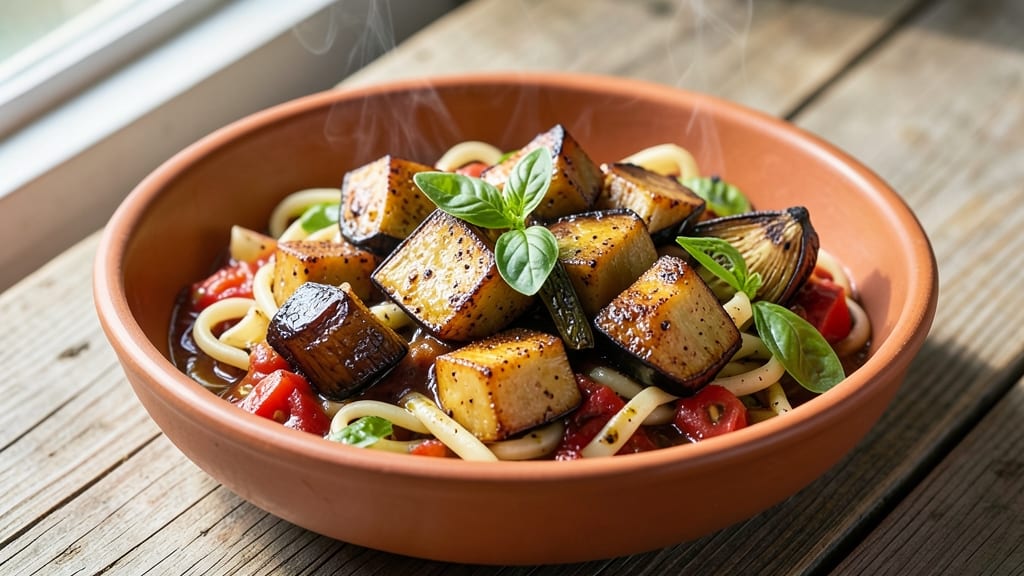
This aubergine pasta sauce recipe transforms humble eggplant into a rich, velvety sauce with deep smoky notes and a satisfying crunch from celery crowns. The secret lies in slow-cooked eggplant that dissolves into a silky base, while charred celery adds texture and complexity.
Professional chefs swear by this technique—it’s the kind of sauce that elevates simple pasta into a restaurant-worthy dish.
The magic happens when eggplant simmers until tender, absorbing flavors from garlic, tomatoes, and aromatic herbs. A touch of smoked paprika adds depth, while fresh basil brightens the sauce at the end.
This isn’t just a pasta sauce—it’s a versatile condiment that works with grilled meats, roasted vegetables, or even as a dipping sauce for crusty bread.
What makes this sauce stand out is its balance: creamy yet textured, smoky yet fresh, and rich without being heavy. The celery crowns provide a subtle crunch that cuts through the smoothness, while the eggplant delivers a meaty, umami-rich foundation.
Best of all, it keeps well in the fridge for up to five days, making it perfect for meal prep.
Ready in about 45 minutes, this sauce delivers professional results with minimal effort. The slow cooking process ensures deep flavor infusion, while the celery crowns add a refined touch that makes it feel special.
Whether you’re serving it over al dente pasta or drizzling it over grilled fish, this sauce will become a staple in your kitchen.
Ingredients for aubergine pasta sauce
Eleven ingredients transform humble eggplant into a restaurant-worthy sauce with smoky depth and satisfying crunch.
| Ingredient | Amount | Notes |
|---|---|---|
| Eggplant 🍆 | 2 lbs | Medium-sized, skin removed |
| Celery Crowns 🧅 | 2 whole | Charred for texture |
| Canned Crushed Tomatoes 🍅 | 1 can | 28 oz can preferred |
| Garlic Cloves 🧄 | 4 cloves | Minced for depth |
| Smoked Paprika 🌶️ | 1 tbsp | For smoky richness |
| Fresh Basil Leaves 🌿 | ½ cup | Chopped for brightness |
| Extra-Virgin Olive Oil 🫒 | ½ cup | High quality for richness |
| Vegetable Broth 💧 | 1 cup | Low-sodium preferred |
| Red Wine Vinegar 🍷 | 1 tbsp | For acid balance |
| Salt 🧂 | 1 ½ tsp | Kosher or sea salt |
| Black Pepper 🌶️ | ½ tsp | Freshly ground preferred |
The eggplant is the star here—look for firm, heavy ones with glossy skin. Trader Joe's and Whole Foods often carry the best quality, but any grocery store will do. For celery crowns, ask your produce manager to cut the base off—most stores will do it for free if you ask nicely. The canned tomatoes should be San Marzano if possible, but any good-quality crushed tomatoes work. Smoked paprika is non-negotiable for that authentic smoky flavor—Penzeys makes a great one if you want to splurge.
No fresh basil? Dried oregano at half the amount works in a pinch, though fresh is ideal. Short on celery crowns? Regular celery stalks with leaves can be charred instead—just remove the strings first. The olive oil matters here—use something you'd drizzle on bread, not the cheap stuff. For the vegetable broth, low-sodium is key—you don't want to over-salt the sauce. If you don't have red wine vinegar, apple cider vinegar works perfectly—just use the same amount.
This sauce keeps beautifully in the fridge for 5-6 days, with flavor actually improving as it sits. For longer storage, freeze it in ice cube trays—perfect for single portions. The celery crowns can be prepped ahead and stored separately, then charred just before adding to the sauce. Double the batch if you can—it's that good. Leftovers make amazing sandwich spread or bruschetta topping.
Why You'll Love This Recipe
- No Chopping Nightmare: I swear by this—just dice the eggplant into chunks, roast it whole with the celery crowns, and peel off the skins later. The celery adds depth without fuss, and that smoky paprika? One teaspoon does the work of three spices.
- Smoky Depth Magic: Crushed tomatoes meet roasted eggplant and garlic in a way that’s ridiculously satisfying. The eggplant soaks up the flavors, giving you that creamy, smoky richness without heavy cream. Honestly, I’ll take this over jarred marinara any day.
- Leftovers That Beg for More: This sauce actually improves the next day—thicker, more concentrated, and perfect for quick lunches. Freeze half for when you’re too tired to cook, and it thaws straight into something hearty. (Yes, even on a Tuesday night.)
- Budget-Friendly Luxury: Eggplant and celery are cheap, canned tomatoes last forever, and smoked paprika stretches like crazy. You’re getting restaurant-quality depth for pennies—my college self would’ve cried happy tears over this.
Step-by-step instructions for aubergine pasta sauce
This smoky eggplant sauce delivers rich texture and vibrant flavor with minimal effort.
Char the Eggplant and Celery Crowns
Preheat your oven's broiler to high. Cut the 2 lbs eggplant into 1-inch cubes and the 2 whole celery crowns into 1-inch chunks. Arrange them on a rimmed baking sheet in a single layer, drizzle with 2 tablespoons of the 0.5 cup extra-virgin olive oil, and sprinkle with 0.5 tsp of the 1.5 tsp salt. Broil for 8-10 minutes, turning occasionally, until the edges are deeply charred and blackened.
The charring adds smoky depth and sweetness to both vegetables. Watch carefully—they burn quickly under the broiler. Once charred, transfer the eggplant and celery to a cutting board and let cool slightly before handling. I like to work with slightly cooled vegetables because they're easier to chop without slipping.
Sauté Garlic and Build the Sauce Base
Heat the remaining 0.3 cup extra-virgin olive oil in a large skillet over medium heat. Add the 4 cloves minced garlic and cook for 30 seconds until fragrant—don't let it brown. Add the charred eggplant and celery crowns to the skillet, along with the 1 tbsp smoked paprika. Stir to combine and cook for 5 minutes, allowing the vegetables to soften slightly while absorbing the smoky spices.
Here's where the magic happens: the charred vegetables release their smoky essence into the oil. You'll notice the kitchen filling with that unmistakable aroma. If the vegetables start to stick, add 2 tablespoons of the 1 cup vegetable broth to deglaze the pan, scraping up any browned bits from the bottom.
Simmer with Tomatoes and Broth
Pour in the 1 can canned crushed tomatoes and the remaining 0.8 cup vegetable broth. Stir well to combine, then bring the mixture to a gentle simmer. Reduce heat to low and let it cook uncovered for 15-20 minutes, stirring occasionally. The sauce should thicken slightly as it reduces, with the flavors melding together beautifully.
During this time, I like to taste the sauce occasionally. You'll notice the smokiness from the charred vegetables and the acidity from the tomatoes balancing each other out. If the sauce becomes too thick, add another splash of broth. The goal is a velvety consistency that clings beautifully to pasta.
Finish with Vinegar and Fresh Basil
Stir in the 1 tbsp red wine vinegar and the 0.5 cup chopped fresh basil leaves. Cook for an additional 2-3 minutes until the basil is just wilted but still vibrant. Season with the remaining 1 tsp salt and 0.5 tsp black pepper to taste. The vinegar brightens the sauce while the basil adds freshness that cuts through the richness.
This is the moment that matters: the acidity from the vinegar and the freshness from the basil transform the sauce from good to extraordinary. Taste again and adjust seasoning if needed. The sauce should be balanced—smoky, slightly sweet from the charred vegetables, tangy from the vinegar, and fresh from the basil.
Cook and Combine with Pasta
While the sauce simmers, cook your pasta according to package instructions until al dente. Reserve 1 cup of pasta water before draining. Toss the drained pasta with the sauce, adding reserved pasta water as needed to reach your desired consistency. The sauce should coat the pasta evenly, clinging to each strand.
Serve immediately while the pasta is hot and the sauce is vibrant. The contrast between the creamy sauce and the al dente pasta creates a perfect bite. This sauce works beautifully with any pasta shape, but I prefer using penne or rigatoni for their ability to hold onto the rich, smoky sauce.
Pro Tips For Making Aubergine Pasta Sauce
- Salt the Eggplant First: I learned this the hard way—skip salting the sliced eggplant for 30 minutes before cooking, and you’ll end up with a watery, sad sauce. The salt draws out bitterness and excess moisture, so it caramelizes properly. Trust me, your future self will notice the difference when the sauce thickens instead of turning into a soup.
- Sweat Celery Low and Slow: Celery crowns have a stubborn tendency to burn before they soften. Cook them on medium-low heat with a splash of water or white wine to keep them from sticking, and stir often. If you rush this, you’ll taste raw, bitter strands instead of that deep, mellow base flavor.
- Crush Tomatoes by Hand: That canned crushed tomato label is misleading—it’s often still chunky. Give it a quick mash with your fingers or the back of a wooden spoon before adding it to the sauce. Smooth texture means fewer surprises when you’re mid-simmer, and it blends better with the eggplant’s creamy texture.
- Add Smoked Paprika Late: After burning three batches where the paprika turned the sauce bitter, I finally figured out: add it in the last 5 minutes of cooking. Heat destroys the delicate smoky flavor, so sprinkle it in when the sauce is nearly done and stir it in fast to avoid clumping. Your sauce will taste complex, not harsh.
Make-ahead tips for this aubergine pasta sauce
Prep Ahead
Start by charring the eggplant and celery crowns up to 2 days in advance. Store them in an airtight container in the fridge—their smoky flavors actually deepen over time. I like to prep the celery crowns first since they take less time to char than the eggplant. 🌟
Freezer-Friendly
This sauce freezes beautifully for up to 3 months. Let it cool completely, then portion into ice cube trays or small airtight containers. When ready to use, thaw overnight in the fridge and reheat gently on the stovetop with a splash of water to restore its velvety texture.
The celery crowns can be frozen separately and charred fresh when needed.
Batch Cooking
Double the recipe and store the extra sauce in glass jars in the refrigerator. It keeps for 5-6 days and makes an excellent base for quick meals.
I often use leftovers as a marinade for grilled vegetables or as a dip for crusty bread. The smoky depth pairs perfectly with roasted meats too.
Celery Prep Shortcut
If you're short on time, buy pre-chopped celery crowns from specialty produce sections. Many grocery stores offer them prepped and ready to char—just ask! This cuts your prep time by 10-15 minutes while keeping that essential crunch in the sauce. 🧅
Sauce Consistency Tip
If you're making this sauce ahead for a meal, store it slightly thicker than you'd like to serve. When reheating, add 1-2 tablespoons of pasta water or vegetable broth per cup of sauce to achieve that perfect clingy consistency. This is especially helpful if you're prepping for a large gathering.
Herb Swaps
Fresh basil wilts quickly when reheated, so add it just before serving if prepping ahead. For make-ahead meals, substitute 1 tablespoon dried oregano per 0.5 cup fresh basil—it holds up better to reheating and still adds depth. The oregano's earthy notes complement the smoky eggplant beautifully. ✨
Nutrition facts
Frequently asked questions
Can I use regular celery instead of celery crowns?
Yes! Regular celery stalks work perfectly—just remove the strings and leaves first. For extra flavor, char the leafy tops separately and add them to the sauce at the end. The celery crowns add a delicate crunch, but regular celery delivers the same earthy sweetness when properly charred.
How do I prevent the eggplant from being bitter?
Salting the eggplant before cooking removes excess moisture and bitterness. Cut the eggplant, sprinkle with 1 teaspoon of salt per pound, and let it sit for 30 minutes while you prep other ingredients. Pat it dry before charring to ensure a rich, non-bitter flavor.
What if I don’t have smoked paprika?
No problem! Use ½ teaspoon of regular paprika plus ½ teaspoon of liquid smoke for a similar smoky depth. If you’re avoiding liquid smoke, try adding a pinch of cayenne pepper for subtle heat. The key is balancing the smokiness with the acidity from the vinegar.
Can I make this sauce without tomatoes?
Replace the crushed tomatoes with 1 cup of tomato paste or 1½ cups of tomato sauce. For a tomato-free version, use 1 cup of extra vegetable broth and add 1 teaspoon of balsamic vinegar to enhance the umami. The sauce will still be rich and flavorful—just slightly less tangy.
Why does my sauce look too thin?
Simmer the sauce uncovered for an extra 5-10 minutes to thicken it naturally. If it’s still too thin, mix 1 tablespoon of cornstarch with 2 tablespoons of cold water, stir it into the sauce, and simmer for another 2-3 minutes. Avoid over-simmering, as it can make the eggplant taste starchy.