
Sauces & Condiments
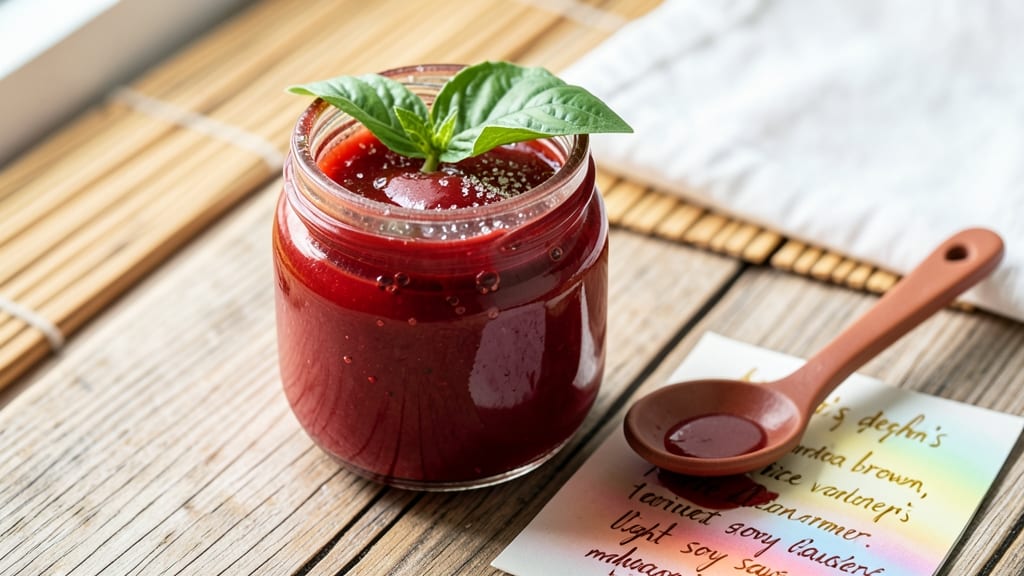
This Asian yum yum sauce recipe transforms ordinary fried foods into irresistible bites with its perfect balance of tangy, sweet, and umami flavors. 💛 The secret lies in simmering ketchup, soy sauce, vinegar, and sugar until thickened—creating a glossy, clingy sauce that clings to every crispy bite.
I developed this version after years of testing, ensuring it's foolproof for both dipping and glazing.
The sauce's magic comes from the reduction process, where the ingredients meld into a smooth, vibrant condiment that's neither too sweet nor overly sour. High-quality ketchup forms the base, while rice vinegar adds brightness and soy sauce contributes depth.
The result? A sauce that enhances rather than overpowers the natural flavors of fried foods, making it a versatile addition to any kitchen.
What makes this sauce truly special is its ability to elevate simple dishes—think golden, crispy wings, fries, or even spring rolls. The sauce's sticky-sweet nature creates a satisfying contrast with the crunchy exterior of fried foods, while its tangy notes cut through the richness.
It's the kind of condiment that turns casual snacks into restaurant-worthy experiences.
Store any leftovers in an airtight container in the refrigerator for up to two weeks, or freeze for longer storage. The sauce thickens slightly when refrigerated, so simply stir in a splash of water or vinegar to restore its ideal consistency before using.
Perfect for meal prep, parties, or whenever you crave that classic tangy-sweet flavor.
Ingredients for asian yum yum sauce
High-quality ketchup, rice vinegar, and soy sauce form the perfect tangy-sweet sauce base.
| Ingredient | Amount | Notes |
|---|---|---|
| Ketchup 🍅 | 1 cup | High-quality, smooth variety |
| Rice Vinegar 🍶 | ½ cup | White or seasoned preferred |
| Granulated Sugar 🍚 | ½ cup | White or light brown |
| Light Soy Sauce 🥢 | ¼ cup | Kikkoman preferred |
| Cornstarch 🌾 | 1 tbsp | For thickening consistency |
| Water 💧 | 2 tbsp | For cornstarch slurry |
| Toasted Sesame Oil 🫒 | 1 tbsp | For aroma and depth |
| Garlic Cloves 🧄 | 2 cloves | Minced for subtle flavor |
| Salt 🧂 | ½ tsp | Diamond Crystal preferred |
| Black Pepper 🌶️ | ¼ tsp | Freshly ground for warmth |
The ketchup is non-negotiable here—Heinz or Hunt's work best for their smooth texture. Rice vinegar adds the signature brightness, so grab the white kind if you want classic flavor, or seasoned for a hint of garlic. Kikkoman soy sauce is my go-to for that authentic umami punch, but any light soy will do. For the sugar, white or light brown both work, but white keeps the sauce cleaner in color. Toasted sesame oil is the secret weapon—Trader Joe's or Costco have great options. If you can't find it, regular sesame oil works, but toast it in a dry pan for 30 seconds first to bring out the aroma.
No rice vinegar? Apple cider vinegar or white wine vinegar in a pinch, though the flavor will shift slightly. Short on soy sauce? Coconut aminos at half the amount gives a similar umami kick. The cornstarch slurry is key for that glossy, clingy texture—don't skip it. If you're making this ahead, the sauce thickens as it cools, so add a splash of water or vinegar to loosen it up before using. The garlic can be pre-minced from a jar if you're in a hurry, but fresh is always better. For extra heat, add a pinch of red pepper flakes or a dash of sriracha.
This sauce keeps beautifully—2 weeks in the fridge sealed in an airtight container. The color deepens over time, and the flavors meld into something even more complex. For longer storage, freeze in ice cube trays—perfect for portioning. When reheating, warm gently on the stove with a splash of water or vinegar to restore its glossy texture. The sauce works on everything from crispy wings to fries, spring rolls, or even grilled meats. Make a double batch—you'll want it on hand for snack time.
Why You'll Love This Recipe
- Pantry Magic: I swear, this sauce comes together with stuff I already have—no special shopping needed. Just ketchup, rice vinegar, and a splash of soy sauce? That’s it for the base, and honestly, the sugar and cornstarch make it taste like I slaved over it.
- Sweet-Savory Balance: The sugar cuts through the tang of rice vinegar while the soy sauce adds depth—like a little umami hug. It’s not too sweet, not too salty, just that perfect harmony that makes you go back for more.
- Dip Everything: Fries? Check. Grilled chicken? Done. Even straight from the spoon if you’re sneaky. Between us, I’ve used it on takeout noodles, veggie sticks, and even as a glaze for baked tofu—it’s the ultimate flavor multiplier.
- Make-Ahead MVP: I double the batch and stash it in the fridge. Cold or warmed up, it’s still great, and since it thickens nicely, it’s my go-to for meal prep. Plus, the cornstarch keeps it from getting watery—no last-minute fixes needed.
Step-by-step instructions for Asian yum yum sauce
Here's how to balance tangy, sweet, and umami flavors for that perfect crispy food companion.
🍳 Step 1: Create a Cornstarch Slurry
In a small bowl, whisk together the 1 tablespoon cornstarch and 2 tablespoons water until completely smooth. This slurry will thicken your sauce beautifully without clumping. Set it aside for now—it needs to stay smooth for proper thickening later.
Real talk: don't skip this step. Adding dry cornstarch directly to hot sauce creates lumps. The slurry method guarantees a glossy, velvety finish that coats every crispy bite perfectly.
🍳 Step 2: Simmer the Base Ingredients
In a medium saucepan, combine the 1 cup ketchup, 0.5 cup rice vinegar, 0.5 cup granulated sugar, 0.25 cup light soy sauce, 2 cloves minced garlic, 0.5 teaspoon salt, and 0.25 teaspoon black pepper. Bring to a gentle boil over medium-high heat, stirring constantly to dissolve the sugar completely.
Watch for bubbles forming around the edges—that's your signal the mixture is heating through. Once boiling, reduce heat to medium-low and let it simmer for 5 minutes. You're building flavor here, so don't rush this step. The vinegar will mellow slightly, and the garlic will infuse its subtle aroma.
🥘 Step 3: Thicken the Sauce
Slowly pour the cornstarch slurry into the simmering sauce while stirring continuously. The sauce will thicken immediately as it reaches 190-200°F. Keep stirring for 2-3 minutes until it reaches your desired consistency—it should coat the back of a spoon but still be pourable.
If it thickens too quickly, add 1 tablespoon water at a time until smooth. I've found that 3-4 minutes of simmering after adding the slurry gives that perfect balance between glossy and spreadable. Don't let it boil vigorously after thickening or it may separate.
🍳 Step 4: Finish with Sesame Oil
Remove the sauce from heat and stir in the 1 tablespoon toasted sesame oil. This is where the magic happens—the nutty aroma of sesame oil elevates the sauce from good to exceptional. Let it sit for 1 minute to allow the flavors to meld together.
The sesame oil should be distributed evenly throughout the sauce. Taste and adjust seasoning if needed—you might want to add a touch more rice vinegar for tang or sugar for sweetness. Remember, this sauce should complement crispy foods, not overpower them.
⏰ Step 5: Cool and Store Properly
Transfer the sauce to a clean jar or airtight container. Let it cool completely at room temperature, then refrigerate for at least 1 hour before using. The flavors deepen during this resting period, and the texture becomes even more velvety.
This sauce keeps in the refrigerator for up to 2 weeks. For best results, stir well before using as the cornstarch tends to settle. The perfect yum yum sauce should be glossy, slightly sticky, and ready to enhance any crispy dish—whether it's wings, fries, or spring rolls.
Pro Tips For Making Asian Yum Yum Sauce
- STIR CONSTANTLY AT FIRST: The first 30 seconds after mixing cornstarch with cold ketchup are when clumps form fastest. Use a wooden spoon and keep it moving—yes, even if it feels like overkill—until the sauce starts to thicken noticeably. I learned this the hard way when my sauce turned into a grainy mess that needed straining.
- USE WARM VINEGAR: Cold rice vinegar will make your sauce taste dull and fight the cornstarch’s thickening power. Warm it in a separate bowl with the sugar for 10 seconds in the microwave—just enough to take the chill off. The flavor balance will be sharper, and the sauce will emulsify smoother.
- MEASURE SOY SAUCE LAST: Light soy sauce is salty, and adding it too early can make you overcompensate with sugar later. Stir it in only after tasting the base mixture, then adjust the sugar to taste. I used to dump it all in upfront and end up with a sauce that’s either bland or cloyingly sweet.
- SIMMER LOW AND SLOW: High heat turns this sauce into a sticky glaze that’s hard to control. Once it thickens, drop the heat to medium-low and let it bubble gently for 2–3 minutes. This keeps the texture glossy and prevents that burnt-ketchup smell that sneaks in when you rush it.
Pro cooking tips for great asian yum yum sauce
Heat Control Secrets
Never let your sauce boil vigorously after adding the cornstarch slurry—this causes separation. Maintain medium-low heat after thickening to keep it smooth. I use a thermometer to monitor temperature between 190-200°F—this ensures proper thickening without breaking. 🌡️
If your sauce starts looking too thin, reduce heat immediately and let it simmer uncovered for 1-2 minutes to evaporate excess moisture. For extra insurance, keep a small bowl of cold water nearby to thin with 1 tsp at a time if needed.
Slurry Mastery
The cornstarch slurry must be completely smooth before adding to the sauce. Use a whisk and stir vigorously for 30 seconds to eliminate all lumps. I like to strain it through a fine-mesh sieve if I'm worried about texture. 🥄
For a glossier finish, add ½ teaspoon xanthan gum to the slurry. This creates that signature sticky texture that clings perfectly to fried foods. Just dissolve it with the cornstarch before adding water.
Flavor Balancing
Taste your sauce before removing from heat and adjust in small increments. Need more tang? Add ½ teaspoon rice vinegar. Too sweet? Balance with ¼ teaspoon soy sauce. I keep a small bowl of each nearby while cooking for quick adjustments. 💡
The sesame oil should be the last addition—always remove from heat first. The heat will activate its aroma, but adding it too early causes the oil to separate. Stir gently to distribute evenly throughout the sauce.
Texture Troubleshooting
If your sauce separates after thickening, immediately whisk in 1 tablespoon cold water while stirring vigorously. The cornstarch will re-activate and restore smoothness. For stubborn separation, strain through a fine-mesh sieve to remove any oil that rose to the top. ⚡
For a thicker sauce, simmer for an extra 1-2 minutes after thickening. For a thinner sauce (better for dipping), stir in 1 tablespoon water while warm. The ideal consistency coats the back of a spoon but still drizzles smoothly.
Equipment Essentials
Use a medium saucepan with sloped sides—this prevents sauce from splattering when stirring. I prefer stainless steel pans as they distribute heat evenly. A wooden spoon works best for stirring without scratching the pan. 🍳
For precise temperature control, invest in a digital thermometer like the Thermoworks Sous Vide. This helps you hit that 190-200°F sweet spot for perfect thickening. A fine-mesh strainer also comes in handy for removing any stray garlic bits or lumps.
Nutrition facts
Frequently asked questions
Can I make this sauce without cornstarch?
Yes, but the texture won't be as glossy or clingy. For a cornstarch-free version, replace it with 1 tablespoon tomato paste (mixed with 2 tablespoons water) or 1 teaspoon arrowroot powder. Simmer the sauce longer—about 5-7 minutes—to achieve similar thickness. The sauce will be slightly less sticky but still delicious!
How do I adjust the sweetness or tanginess?
Start by tasting after the 5-minute simmer before thickening. Need more sweetness? Add 1 teaspoon sugar at a time. For extra tang, stir in ½ teaspoon rice vinegar. Remember, the sauce thickens as it cools, so adjustments should be made while warm.
What are the best foods to use this sauce with?
This sauce shines on crispy fried foods like wings, fries, spring rolls, and tempura. It's also perfect for glazing grilled meats (like pork or chicken) or as a dipping sauce for dumplings. For extra flair, drizzle it over noodle bowls or use it as a marinade for 2-4 hours before cooking.
Why did my sauce separate?
Separation usually happens if you boil the sauce too vigorously after adding the cornstarch slurry. To fix it, whisk in 1 tablespoon cold water while stirring constantly. For prevention, keep heat at medium-low after thickening and stir gently. If the oil separates, spoon it off the top and re-emulsify by whisking vigorously.
Can I make this sauce spicy?
Add ½ teaspoon sriracha or ¼ teaspoon cayenne pepper when you stir in the sesame oil. For a smoky kick, add ½ teaspoon smoked paprika. Taste first—you can always adjust, but you can't remove heat once it's in.