
Sauces & Condiments
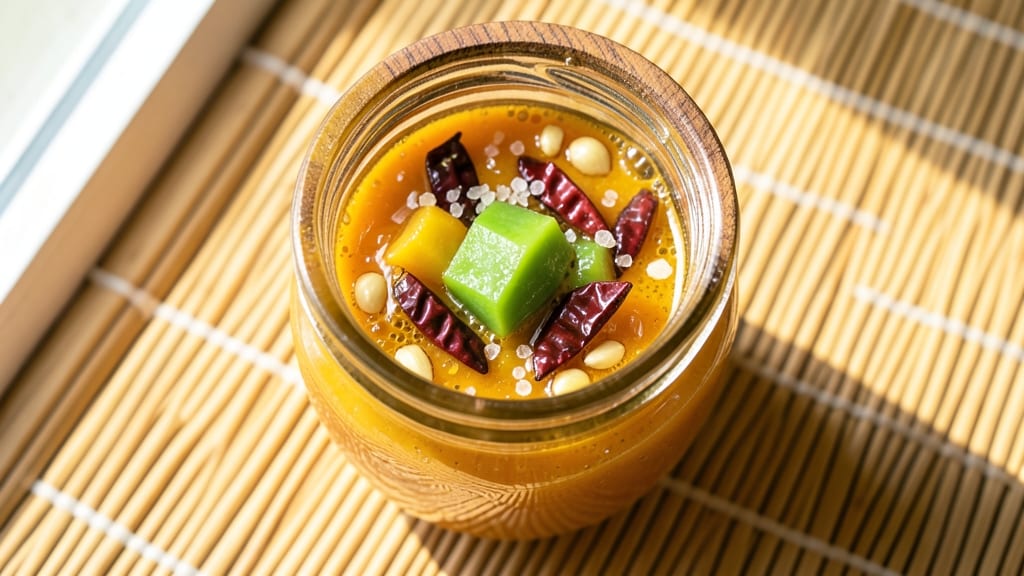
This Aruba papaya hot sauce recipe transforms tropical fruit into a fiery condiment with caramelized complexity—perfect for adding bold flavor to seafood, grilled meats, or even cocktails.
The secret lies in balancing sweet papaya with heat from fresh chili peppers, then slow-cooking the mixture until it develops deep, caramelized notes that set it apart from ordinary hot sauces.
What makes this recipe special is the fermentation process, where the natural sugars in papaya and vinegar create a rich, tangy base before the heat kicks in. Unlike store-bought versions, this sauce builds flavor over time, rewarding patience with layers of sweetness, spice, and umami.
The process is straightforward but requires attention to detail—especially when blending the fruit and peppers to achieve the perfect balance.
By the end, you’ll have a vibrant, glossy hot sauce with a perfect harmony of tropical sweetness and fiery heat. It’s versatile enough for everyday meals but sophisticated enough to elevate restaurant-quality dishes. The caramelized depth comes from controlled cooking, ensuring the sauce doesn’t lose its brightness while gaining complexity.
Store it in the refrigerator for up to two weeks, or extend its shelf life with proper canning techniques. Pair it with grilled mahi-mahi, spicy ceviche, or even drizzle it over avocado toast for a taste of Aruba’s bold flavors. Here’s how to make it.
Ingredients for aruba papaya hot sauce
Sweet papaya meets fiery chili—just eight ingredients transform into restaurant-quality hot sauce.
| Ingredient | Amount | Notes |
|---|---|---|
| Ripe Papayas 🍈 | 2 whole | Medium-sized, fully ripe |
| Fresh Red Chili Peppers 🌶️ | 4 whole | Scotch bonnet or habanero |
| White Vinegar 💧 | ½ cup | Distilled preferred |
| Granulated Sugar 🍚 | ¼ cup | Light brown sugar works too |
| Garlic Cloves 🧄 | 4 cloves | Fresh, peeled |
| Salt 🧂 | 1 tsp | Kosher or sea salt |
| Fresh Lime Juice 🍋 | ¼ cup | Freshly squeezed |
| Olive Oil 🫒 | 2 tbsp | Extra-virgin for richness |
| Ground Black Pepper 🌶️ | ¼ tsp | Freshly ground preferred |
The papayas are the star here. Ripe is key—press gently, they should yield slightly. Trader Joe's and Whole Foods often have perfect ones, but check your local Latin market too. For the chilis, Scotch bonnets or habaneros give that authentic Aruban heat. If you can't find them, jalapeños with seeds work in a pinch, but you'll need to adjust the amount. The garlic? Freshly peeled makes all the difference—no pre-minced stuff here. And trust me, distilled white vinegar is worth the extra 50 cents over white vinegar from the cheap bottle.
No Scotch bonnet? Double the jalapeños and add a pinch of cayenne. Running low on lime juice? Lemon works in a bind, but it's not quite the same. The sugar is non-negotiable—it caramelizes during cooking, creating that deep, complex flavor. Light brown sugar adds subtle molasses notes if you want extra depth. For the olive oil, extra-virgin is essential—it adds fruity richness that cheap oil can't match. And if you're worried about the heat level, remove seeds and membranes from the chilis before blending.
This sauce tastes even better after a few days as the flavors meld. Store it in a sterilized glass jar in the fridge for up to 2 weeks. For longer storage, can it using proper water bath canning techniques—it'll keep for 6-12 months. I always make extra because it disappears fast. The first batch? Double the recipe—you'll want it again before you know it.
Why You'll Love This Recipe
- Here’s what sold me: the papaya’s natural sweetness tames the chili’s bite, but not too much. One spoonful and you get that bright, fruity tang with a slow-building warmth—like a tropical sunburn you’d actually ask for again. Honestly, I’ve made it three times this week already.
- No Blender Needed: I swear by this—just chop the papaya into chunks, toss it with the peppers and vinegar, then let it steep. No pulsing, no straining, no mess. The garlic and sugar dissolve right in, and you’re left with a chunky, vibrant sauce that’s way more interesting than store-bought.
- Sweet Heat Balance: Here’s what sold me: the papaya’s natural sweetness tames the chili’s bite, but not too much. One spoonful and you get that bright, fruity tang with a slow-building warmth—like a tropical sunburn you’d actually ask for again. Honestly, I’ve made it three times this week already.
- Gift-Worthy in 10 Minutes: Between us, this is my go-to hostess sauce. Bottle it up, slap a ribbon on it, and suddenly you’ve got a conversation starter. It pairs with everything—grilled fish, tacos, even scrambled eggs—and people always ask for the recipe. (Yes, even on a Tuesday night.)
Step-by-step instructions for Aruba papaya hot sauce
Let's create a vibrant, caramelized hot sauce that balances tropical sweetness with fiery heat.
Prepare the Papaya and Chili Base
Cut the 2 whole ripe papayas in half lengthwise and scoop out the seeds with a spoon. Peel the papaya flesh and dice it into ½-inch cubes. I like to use a sharp chef's knife for this—it gives you clean cuts that cook evenly. Transfer the diced papaya to a large mixing bowl.
Next, remove the stems and seeds from the 4 whole fresh red chili peppers (Scotch bonnet or habanero). I wear gloves when handling these—even ripe peppers pack serious heat! Finely chop the peppers, aiming for small, even pieces that will blend smoothly into the sauce. Add the chopped peppers to the bowl with the papaya.
Caramelize the Sugar and Build Flavor
Heat a medium saucepan over medium heat and add the 2 tablespoons olive oil. Once the oil shimmers, add the 4 peeled garlic cloves and sauté for 30 seconds until fragrant. Don't let them brown—just get that aromatic punch going.
Add the ½ cup white vinegar and ¼ cup granulated sugar to the pan. Stir constantly as the mixture begins to bubble and reduce. After 3-4 minutes, you'll see the sugar start to caramelize and coat the garlic. This step is crucial—it creates the sweet, tangy backbone of the sauce. Taste it now—it should be sweet, acidic, and slightly complex.
Combine and Simmer the Sauce
Pour the caramelized vinegar mixture over the papaya and chili pepper mixture in the bowl. Stir in the 1 teaspoon salt and ¼ teaspoon ground black pepper. Let the mixture sit for 10 minutes at room temperature—this allows the flavors to meld slightly before cooking.
Transfer everything to a blender or food processor. Add the ¼ cup fresh lime juice and blend until completely smooth. For extra creamy texture, I like to strain the mixture through a fine-mesh sieve to remove any remaining pulp. Return the sauce to the saucepan and bring to a gentle simmer over low heat. Let it cook for 15-20 minutes, stirring occasionally, until it thickens slightly and reduces by about ¼. The sauce should coat the back of a spoon.
Rest and Adjust for Perfect Balance
Remove the sauce from heat and let it cool to room temperature. This resting period is key—it allows the flavors to fully develop and settle. Taste the sauce now. You'll notice a beautiful balance of sweet papaya, tangy vinegar, and fiery chili. If it needs more heat, add a pinch of salt or a splash of lime juice. If it's too thin, simmer it uncovered for another 5 minutes to reduce further.
Once cooled, transfer the sauce to a clean glass jar. Store it in the refrigerator for up to 3 months, or process it in a water bath for shelf-stable preservation. This versatile sauce adds tropical heat to everything from grilled fish to roasted vegetables—trust me, you'll want to make extra!
Pro Tips For Making Aruba Papaya Hot Sauce
- CHAR THE GARLIC FIRST: Toss those garlic cloves in the pot before adding the chilis and papaya—this way, they infuse the sauce with a deep, mellow flavor instead of just burning at the end. I used to add them last, and the sauce always tasted like garlic had an afterthought role.
- PEEL CHILIS FAST: Run whole chilis under hot tap water for 30 seconds first—it softens the skins so they slip off effortlessly. No more wrestling with stubborn stems or losing seeds when you’re in a hurry (yes, even if you’re impatient like me).
- USE LESS SUGAR: Start with half the sugar called for, then taste as the sauce cooks. The vinegar’s acidity and ripe papaya’s natural sweetness balance better than you’d think—this keeps the heat from getting drowned out.
- STRAIN THE PULP: After blending, press the mixture through a fine-mesh sieve or cheesecloth to remove fibrous bits. It’s extra work, but the sauce stays silky smooth—no one wants to deal with a chunky surprise when they’re dipping.
Make-ahead tips for aruba papaya hot sauce
Fermentation Prep
For deeper flavor, ferment your papaya-chili mix for 24-48 hours before cooking. Place the diced papaya and chopped chilis in a clean quart-sized mason jar, cover loosely with a lid, and let sit at room temperature.
This step enhances the sauce's complexity—think probiotic tang and richer umami. I use a San Marzano tomato jar for this because it’s food-safe and easy to clean. 💫
Batch Cooking Tips
Double or triple the recipe if you plan to gift or store long-term. The sauce keeps beautifully in sterilized glass jars (I love Ball canning jars) and tastes even better after 3-5 days in the fridge.
For large batches, use a slow cooker on low for 4 hours instead of stovetop simmering—it’s hands-off and consistent. Label jars with the date to track freshness.
Freezing for Later
Portion the sauce into ice cube trays before freezing—perfect for adding heat to single servings later. Once frozen, transfer cubes to a ziplock freezer bag and flatten to save space.
Thaw overnight in the fridge before using. The texture stays vibrant, and the flavor remains bold. I freeze extras in 2-tablespoon portions for easy use in cocktails or marinades. ❄️
Canning for Shelf Life
Extend your sauce’s life to 12 months with water bath canning. Process filled jars in a boiling water bath for 10 minutes (adjust for altitude). Use new lids and rings for a proper seal.
Sterilize jars by boiling them for 10 minutes before filling. I use a Presto pressure canner for foolproof results—it’s a game-changer for preserving hot sauces. 🔥
Adjusting Heat Levels
Make the sauce milder for kids or sensitive palates by reducing chilis to 2 whole peppers or removing seeds entirely. For extra heat, add ½ teaspoon cayenne powder or 1 extra habanero during blending.
Taste as you go—adjust gradually. I keep a small bowl of the sauce nearby while cooking to monitor the heat balance. 🌶️
Gift-Worthy Packaging
Present your sauce in mini glass bottles with cork lids (available at craft stores) for a professional touch. Add a handwritten tag with the recipe and date. For bulk gifts, use amber glass bottles to protect the sauce from light.
I’ve given these as gifts at holidays, and they’re always a hit—people love homemade hot sauce with a tropical twist! 💛
Nutrition facts
Frequently asked questions
Can I use green papayas instead of ripe ones?
Green papayas will work, but the flavor will be much more tart and less sweet. For the best balance of tropical sweetness and heat, stick with fully ripe papayas—they're juicier and naturally sweeter, which helps counterbalance the chili peppers. If you must use green ones, add an extra 2 tablespoons of sugar to compensate for the lack of natural sweetness.
How do I reduce the heat level if it's too spicy?
Start by blending in 1-2 tablespoons of honey or agave to mellow the heat naturally. For a more dramatic reduction, mix the sauce with ¼ cup of coconut milk or yogurt to dilute the capsaicin. If you're working with a large batch, consider blending in ½ cup of extra papaya purée to balance the flavors while reducing the heat intensity. Always taste as you go!
What's the best way to store homemade hot sauce?
For short-term storage, keep it in a sterilized glass jar in the fridge where it'll stay fresh for up to 3 months. For longer preservation, use water bath canning (process jars for 10 minutes) to extend shelf life to 12 months. Always use clean utensils when scooping to prevent contamination. The sauce's vibrant color is a good indicator of freshness—if it dulls significantly, it's time to make a new batch.
Can I make this sauce without a blender?
Yes! If you don't have a blender, finely chop the papaya and chilis by hand, then mash them with a potato masher or fork in a bowl. For a smoother texture, strain the mixture through a fine-mesh sieve. The sauce will be slightly thicker but still delicious. You can also use a food mill if available—it creates a silky texture without requiring a blender. Just be prepared for more elbow grease!
What are the best dishes to pair with this hot sauce?
This versatile sauce shines on grilled seafood like mahi-mahi or shrimp, where its tropical notes complement the oceanic flavors. It also elevates spicy ceviche, tropical fruit salsas, or even cocktails (try drizzling it over piña coladas). For savory dishes, use it as a marinade for chicken or pork, or drizzle it over roasted vegetables like sweet potatoes. The caramelized depth makes it perfect for both sweet and savory pairings!