
Sauces & Condiments
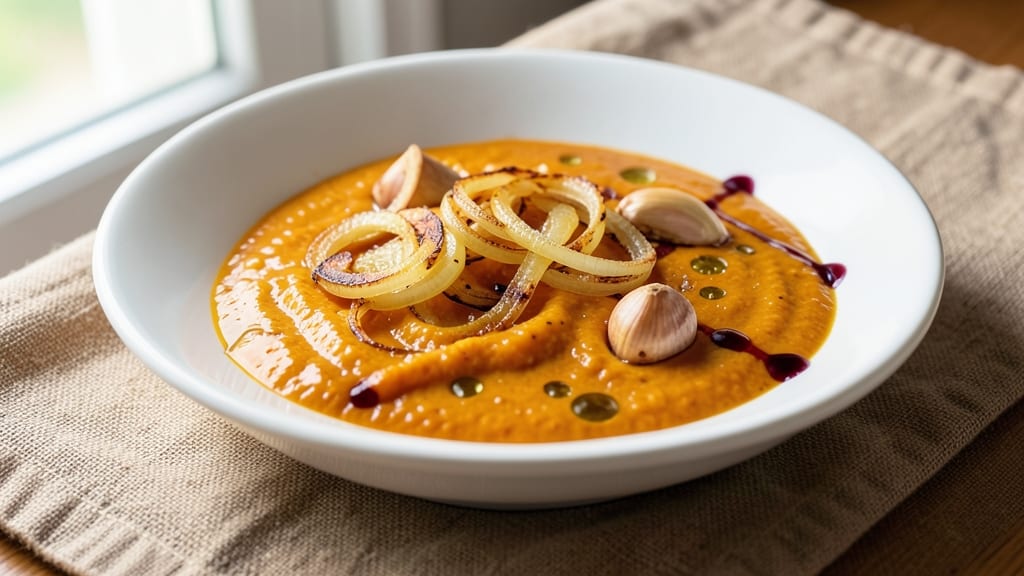
This anticucho sauce recipe transforms simple ingredients into a smoky, velvety masterpiece that elevates grilled beef skewers to restaurant-quality levels. The secret lies in ají amarillo—a Peruvian yellow chili that delivers a bright, citrusy heat without overpowering the dish.
I developed this sauce after years of perfecting the balance between smoky depth and crispy onion topping, ensuring every bite delivers complex flavor in perfect harmony.
The foundation starts with a blend of ají amarillo paste, garlic, and vinegar, simmered until the flavors meld into a silky, aromatic base. What sets this sauce apart is the crispy fried onion topping—thinly sliced and fried until golden, then sprinkled over the finished sauce for textural contrast.
The result is a sauce that's rich yet balanced, with layers of smokiness and a subtle tang that lingers on the palate.
What makes this sauce truly special is its versatility—it works as a marinade, dipping sauce, or finishing sauce for anticuchos, grilled meats, or even roasted vegetables.
The crispy onion topping adds a satisfying crunch that cuts through the richness, while the ají amarillo brings a unique Peruvian flavor that's both familiar and exciting. This isn't just a sauce; it's a flavor experience that turns ordinary dishes into extraordinary meals.
Ready in about 20 minutes, this sauce keeps well in the refrigerator for up to a week, making it perfect for meal prep or hosting dinner parties. The key to success?
Patience in simmering the sauce and frying the onions just until they're golden and crispy. Trust me, the effort is worth every drop of that vibrant, smoky goodness.
Ingredients for anticucho sauce
Nine ingredients blend into a smoky, velvety sauce with crispy onion topping that transforms grilled meats.
| Ingredient | Amount | Notes |
|---|---|---|
| Aji Amarillo Paste 🌶️ | 2 tbsp | Peruvian yellow chili paste |
| Garlic Cloves 🧄 | 4 cloves | Minced for aromatic base |
| Red Wine Vinegar 🍷 | ½ cup | For tangy brightness |
| Olive Oil 🫒 | ¼ cup | Extra-virgin for richness |
| Yellow Onions 🧅 | 1 whole | Thinly sliced for frying |
| Granulated Sugar 🍚 | 1 tbsp | Balances acidity |
| Salt 🧂 | ½ tsp | Diamond Crystal preferred |
| Ground Black Pepper 🌶️ | ¼ tsp | Freshly ground preferred |
| Vegetable Oil 🫒 | ½ cup | For frying onions |
The aji amarillo paste is the heart of this sauce—look for it in Latin markets or online specialty stores like La Tienda or Amazon. If you can't find it, yellow bell pepper paste works in a pinch, though the flavor will differ slightly. The yellow onions need to be thinly sliced—about 1/8-inch thick—for perfect crispiness. I always grab Vidalias from the grocery store because they're sweet and crisp, but any yellow onion will do. Fresh garlic and extra-virgin olive oil from California Olive Ranch elevate the sauce's depth.
No aji amarillo? Yellow bell pepper paste or mild chili powder can substitute, though the citrusy heat will be different. For the onions, white onions work too, but they'll be slightly sharper. The red wine vinegar adds the tangy brightness—Bartles & Jaymes is my go-to, but any good-quality vinegar works. If you're frying the onions and they're not golden after 5 minutes, they're undercooked. Patience here is key—rush it, and they'll turn greasy instead of crispy. The vegetable oil should be light, like Crisco, for even frying.
Store the sauce in an airtight container in the fridge for up to 7 days. The crispy onions stay crunchy for about 3 days if kept separate, so I fry them fresh before serving. For longer storage, freeze the sauce without the onions—just add them fresh when reheating. The sauce reheats beautifully; just warm it gently on the stove with a splash of water to restore its silky texture. Double the batch if you're serving a crowd—it disappears fast.
Why You'll Love This Recipe
- Here’s the best part: this sauce actually improves the next day. The flavors meld even more, and it keeps for a week in the fridge. I make a big batch, freeze half, and pull it out whenever I need a quick, budget-friendly boost. (Yes, even on a Tuesday night.)
- Pantry Magic: I swear by this sauce because it uses stuff I already have—no special trips to the store. That jar of aji amarillo paste sitting in my cupboard? Suddenly, it’s the star. Sauté a few garlic cloves, toss in a splash of vinegar, and boom—flavor without the fuss.
- Umami Bomb: The second you mix in that aji amarillo with the caramelized onions, your kitchen smells like a Peruvian street food stall. It’s tangy, slightly sweet, and packs a punch that turns grilled meats into something ridiculously good. (Between us, this sauce makes even store-bought anticuchos taste like a restaurant dish.)
- Weeknight Hero: This isn’t just for fancy dinners. I drizzle it over grilled chicken for lunch, toss it with roasted potatoes, or even slather it on toast with a fried egg. It’s the kind of sauce that turns simple meals into something special—no stress, just flavor.
Step-by-step instructions for anticucho sauce
Here's how to craft the signature smoky, tangy sauce that elevates grilled anticuchos to restaurant quality.
Fry the Onions Until Deep Golden Brown
Heat the 0.5 cup vegetable oil in a medium skillet over medium-high heat until it shimmers but doesn't smoke. Thinly slice the 1 whole yellow onion into even rounds—about ⅛-inch thick—and pat them completely dry with paper towels. This step is crucial for achieving that signature crispy texture.
Working in batches if needed, carefully add the onion slices to the hot oil. Fry for 4-5 minutes, stirring gently with a slotted spoon, until they turn a rich deep golden brown and begin to crisp at the edges. Remove them with a slotted spoon and drain on a paper towel-lined plate. Set aside—they'll stay crispy for several minutes while you finish the sauce.
Build the Sauce Base with Aji Amarillo and Vinegar
In the same skillet (no need to clean it—the fond adds flavor), reduce the heat to medium-low and add the 2 tbsp aji amarillo paste. Let it cook for 1 minute until it develops a fragrant aroma. Then pour in the 0.5 cup red wine vinegar and 0.25 cup olive oil, stirring constantly to combine.
Simmer the mixture for 3-4 minutes until it thickens slightly and the raw vinegar smell transforms into a bright, tangy aroma. This is where the sauce's signature balance begins to form—sweet, smoky, and acidic all at once. If the sauce looks too thick, add 1-2 tablespoons of water to loosen it slightly.
Incorporate Garlic, Sugar, and Seasonings
Add the 4 cloves minced garlic to the skillet and cook for 30 seconds until fragrant—don't let it brown or it'll turn bitter. Then stir in the 1 tbsp granulated sugar, 0.5 tsp salt, and 0.25 tsp ground black pepper. The sugar helps balance the acidity while enhancing the caramelization of the onions when they're added back.
Let the sauce simmer for another 2 minutes until all the ingredients are fully incorporated. The mixture should be smooth with a glossy sheen. Taste and adjust the seasoning if needed—you might want to add a pinch more salt or a splash of vinegar to refine the balance.
Combine and Finish with Crispy Onions
Return the fried onions to the skillet and toss everything together over low heat for 1-2 minutes. The residual heat will make them slightly softer while keeping them crispy. The onions should be evenly distributed throughout the sauce, adding both texture and visual appeal.
Taste again and make any final adjustments—perhaps a touch more salt or a drizzle of olive oil if the sauce needs more richness. Serve immediately over grilled anticuchos, allowing the diner to spoon the sauce directly onto each skewer. The contrast of the smoky, tangy sauce with the crispy onions creates an irresistible combination.
Pro Tips For Making Anticucho Sauce
- Cook Low and Slow: Aji amarillo paste burns faster than you’d expect—keep your heat at a gentle simmer, not a rolling boil. I learned this the hard way after one batch turned bitter and acrid. If it smells sharp or chemical, you’ve gone too far.
- Minced Garlic, Not Chopped: Roughly chop your garlic first, then pulse it in a food processor for a smoother, more even distribution. Chopped garlic cloves just sit at the bottom of your sauce, leaving pockets of raw bite. (Yes, even if you’re impatient like me.)
- Balance the Vinegar: Start with half the red wine vinegar called for, taste, then add the rest. Too much upfront and the sauce turns sour; too little and it lacks brightness. Adjust in small increments—your palate will thank you.
- Sweat the Onions First: Cook the yellow onions in olive oil for 3-4 minutes until translucent before adding anything else. This softens their sharpness and deepens their flavor—skipping this step means your sauce will taste raw and one-note. (Your future self will notice.)
Make-ahead tips for anticucho sauce
Prep Ahead Sauce Base
Make the sauce base up to 3 days ahead—just store the sauce (without onions) in an airtight container in the fridge. The flavors deepen overnight, becoming even more vibrant.
When ready to serve, simply reheat the sauce gently over low heat for 5 minutes with a splash of water to restore its silky texture.
The crispy onions can be fried fresh just before serving, or store them separately in an airtight container for up to 24 hours if you prefer. 💫
Double Batch for Parties
For gatherings, double the recipe and store the sauce in two 8-ounce glass jars with tight-sealing lids. The sauce keeps well for 7 days in the fridge, and the onions stay crispy if fried and stored in a single layer on a wire rack inside an airtight container.
I always make extra because it disappears fast—especially when serving with grilled anticuchos or as a marinade for meats. 🍽️
Freezer-Friendly Sauce
Freeze the sauce (without onions) in ice cube trays for portion control—each cube makes about 2 tablespoons of sauce. Once frozen, transfer the cubes to a ziplock freezer bag and flatten to save space. Thaw overnight in the fridge, then reheat gently.
The texture remains smooth, though the onions should always be fried fresh for the best crunch. This method is perfect for meal prep or when you want to keep sauce on hand for quick meals. ❄️
Onion Prep Shortcut
Save time by pre-slicing the onions and storing them in a ziplock bag with a paper towel to absorb moisture. Keep them in the fridge for up to 2 days before frying. Just pat them dry right before cooking to ensure they crisp up perfectly.
I often do this the night before a cookout—it’s a game-changer for busy weekends. The onions fry faster when prepped ahead, and the sauce stays warm while you grill. 💡
Reheat Like a Pro
To reheat the sauce, transfer it to a small saucepan and warm over medium-low heat for 3-4 minutes. Add 1-2 tablespoons of water if it thickens too much—this helps restore its velvety consistency.
If you’ve stored the onions separately, fry them fresh in the same skillet you reheated the sauce in for a cohesive flavor. The residual fond in the pan adds extra depth to the onions. This method keeps the sauce hot and ready in minutes. 🔥
Nutrition facts
Frequently asked questions
Can I make this sauce without aji amarillo?
Yes, but the flavor will differ slightly. Use 2 tbsp yellow bell pepper paste or 1 tbsp mild chili powder instead, then add 1 tsp lemon juice to mimic the citrusy brightness. The sauce will still work well with grilled meats, though it won't have the same signature Peruvian depth.
How do I prevent the onions from burning while frying?
Keep the oil at medium-high heat and work in small batches to avoid overcrowding. Use a thermometer to maintain 350°F-375°F—if it smokes, reduce the heat slightly. Pat the onions completely dry first, as any moisture will cause splattering. Stir gently with a slotted spoon for even cooking.
Can I use white onions instead of yellow?
White onions will give a sharper flavor, which works beautifully with the smoky sauce. Just fry them for 1-2 minutes longer since they're denser. For extra sweetness, try red onions—they caramelize faster and add a lovely color contrast.
What's the best way to store leftover sauce?
Store the sauce (without onions) in an airtight container in the fridge for up to 7 days. For longer storage, freeze it in ice cube trays—each cube makes 2 tbsp of sauce. Fry onions fresh when reheating for best texture. The sauce reheats well on the stove with a splash of water to restore its silky consistency.
Can I use this sauce for other dishes besides anticuchos?
This versatile sauce works perfectly with grilled chicken, steak, or even as a marinade for kebabs. It also pairs well with roasted potatoes or corn on the cob. The crispy onions add great texture to tacos or bowls too. Just adjust the heat level by adding more or less chili paste to taste.