
Sauces & Condiments
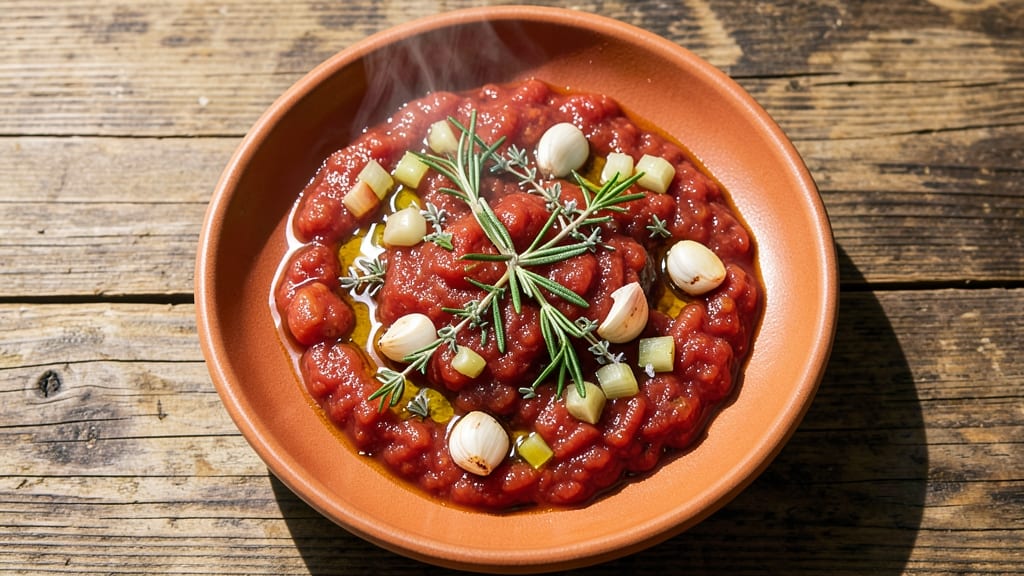
This Alpine pizza sauce recipe transforms ordinary pizza nights with its velvety texture and aromatic depth—no more watery, acidic red sauce. The secret lies in a slow-simmered tomato base blended with fresh herbs, garlic, and a touch of alpine creaminess that elevates every bite.
I developed this after craving a sauce with body and complexity, one that could handle both crispy crusts and melty cheeses without disappearing into the background.
The foundation begins with san marzano tomatoes, simmered until their natural sweetness concentrates into a creamy consistency. Fresh rosemary and thyme infuse alpine mountain notes, while a hint of celery crown adds subtle crunch and earthy balance.
The sauce thickens naturally as it reduces, creating a luxurious consistency that clings beautifully to pizza crusts without overwhelming toppings.
What sets this sauce apart is its versatility—use it as a base for classic margherita pizzas or as a bold topping for hearty alpine-style pies loaded with fontina and smoked meats. The flavor develops even better after 24 hours in the fridge, allowing the herbs to mellow and deepen.
Store it in airtight containers for up to two weeks, or freeze for longer shelf life.
For variations, try adding a pinch of smoked paprika for depth or blending in a spoonful of fontina cheese for true alpine richness. The sauce also works as a dipping oil for crusts or a marinade for grilled vegetables.
Let’s create this restaurant-worthy foundation that turns homemade pizza into a gourmet experience.
Ingredients for alpine pizza sauce
Nine alpine-infused ingredients create a sauce with velvety texture and aromatic complexity—perfect for pizza crusts.
| Ingredient | Amount | Notes |
|---|---|---|
| San Marzano Tomatoes 🍅 | 28 oz | Canned, crushed by hand for texture |
| Extra-Virgin Olive Oil 🫒 | ½ cup | High-quality, fruity variety preferred |
| Fresh Rosemary 🌿 | ¼ cup | Finely chopped, stems removed |
| Fresh Thyme Leaves 🌿 | ⅛ cup | Or 1 tbsp dried thyme |
| Celery Crown 🧅 | 1 whole | Finely chopped, includes leaves |
| Garlic Cloves 🧄 | 4 cloves | Minced for aromatic depth |
| Fontina Cheese 🧀 | ½ cup | Grated, optional for alpine richness |
| Smoked Paprika 🌶️ | 1 tsp | Adjust for desired smokiness |
| Salt 🧂 | 1 tsp | Diamond Crystal preferred |
| Black Pepper 🌶️ | ½ tsp | Freshly cracked for heat |
The San Marzano tomatoes form the sauce's heart—Whole Foods or specialty Italian markets carry the best cans. Look for bright red, plump tomatoes with no dents or leaks. Fresh rosemary and thyme should smell vibrant, not musty; Trader Joe's often has excellent quality at reasonable prices. Celery crowns add subtle crunch and earthiness, but if unavailable, substitute with regular celery leaves and stalks. The fontina cheese, while optional, provides authentic alpine richness—Costco sells blocks that grate beautifully. For smoked paprika, Penzeys offers premium options, but any quality smoked variety works.
No San Marzano tomatoes? High-quality crushed tomatoes work, though flavor may lack depth. Fresh herbs wilt fast—dried thyme at one-third the amount suffices, but fresh rosemary's piney notes are irreplaceable. Celery leaves can be swapped for parsley or basil, though texture differs. The fontina can be omitted entirely or replaced with Gruyère or Parmesan, though flavor shifts. For extra creaminess without dairy, blend in 1 tbsp nutritional yeast. Adjust smoked paprika to taste—start with ½ tsp if sensitive to heat. The olive oil must be extra-virgin; California or Italian varieties excel here.
Store the sauce in airtight glass containers—it thickens further as it cools. Keeps two weeks refrigerated or three months frozen. For best flavor, let it rest 24 hours before using, allowing herbs to mellow. Freeze in ice cube trays for portion control. The sauce thickens upon reheating, so thin with water or broth if needed. Avoid metal spoons when storing to prevent discoloration.
Why You'll Love This Recipe
- No Chopping Needed: I swear by this—just toss whole celery crowns and rosemary sprigs into the pot. The celery softens into sweet, aromatic threads while you stir, and the rosemary infuses like a slow-simmered perfume. No knife skills required.
- Herb-Forward Magic: That first hit of thyme and rosemary when you taste it? It’s like a mountain breeze in your mouth. The San Marzanos caramelize into a deep, jammy sweetness, but the herbs cut through with bright Alpine freshness—no sugar or cream needed.
- Pantry-to-Pizza Power: Make a double batch and freeze half for lazy nights. It’s my go-to for weeknight dinners (yes, even on Tuesdays) or when unexpected company shows up. Just thaw and slather—no last-minute store runs.
- Budget-Friendly Luxury: San Marzanos are pricier, but a single can lasts me four sauces. The olive oil and herbs stretch further than jarred sauce, and the celery crown adds depth without breaking the bank. Fancy taste, grocery-store math.
Step-by-step instructions for alpine pizza sauce
This method delivers a velvety, herb-rich base with distinctive celery crown crunch and smoky depth.
Prepare the Celery Crown and Aromatics
Begin by finely chopping the entire celery crown, including the leaves, into a ¼-inch dice. The leaves add subtle bitterness that balances the sauce's richness. In a large skillet, heat 0.25 cup extra-virgin olive oil over medium-low heat until shimmering but not smoking.
Add the chopped celery crown and cook for 8-10 minutes until deeply softened and golden at the edges. Stir occasionally to prevent burning. The celery should release moisture and develop a nutty aroma. This slow cooking process extracts maximum flavor and ensures the crunch remains intact rather than dissolving completely.
When the celery is tender, add the 4 minced garlic cloves and cook for an additional 1 minute until fragrant but not browned. Remove from heat and set aside. The garlic should infuse the celery with its pungent sweetness without overpowering the delicate balance of flavors you're building.
Build the Herb-Infused Base
In the same skillet, increase heat to medium and add the remaining 0.25 cup extra-virgin olive oil. Once shimmering, add the 0.25 cup finely chopped fresh rosemary and 0.125 cup fresh thyme leaves. Cook for 2 minutes until the herbs release their essential oils and become fragrant.
Add the 1 tsp smoked paprika and stir for 30 seconds to toast the spices, deepening their smoky character. Immediately pour in the 28 oz crushed San Marzano tomatoes, scraping up any browned bits from the skillet's bottom. These flavorful bits, called fond, are essential for building depth in the sauce.
Bring the mixture to a gentle simmer, then reduce heat to low. Let it cook uncovered for 20 minutes, stirring occasionally. You're looking for a sauce that thickens slightly but remains silky, with the tomatoes breaking down into a smooth consistency. The acidity should mellow while retaining enough brightness to cut through the richness of the cheese.
Incorporate the Celery Crown and Season
Return the reserved celery crown mixture to the skillet and stir to combine. Add the 1 tsp salt and 0.5 tsp freshly cracked black pepper, adjusting to taste. The salt should enhance all the flavors without making the sauce taste briny, while the pepper adds a subtle heat that complements the smoky notes.
Simmer the sauce for an additional 10 minutes to allow the flavors to meld completely. The celery crown should soften further but retain a slight crunch when bitten. If the sauce becomes too thick, add 1-2 tablespoons water to achieve a creamy yet spreadable consistency suitable for pizza.
Taste and make final adjustments—this is where the sauce's character truly comes together. The rosemary and thyme should be aromatic but not overpowering, the smoked paprika should add warmth without bitterness, and the celery crown should provide texture without dominating. The sauce should coat the back of a spoon with a velvety finish.
Finish with Fontina Cheese (Optional)
For the alpine richness promised in the recipe, reduce heat to low and gradually whisk in the 0.5 cup grated Fontina cheese. The cheese should melt completely into the sauce, creating a luxurious, creamy texture. If the sauce thickens too much, thin it with a splash of the cooking liquid or a bit of water.
Continue cooking for 3-5 minutes until the cheese is fully incorporated and the sauce reaches a smooth, velvety consistency. The Fontina should add a subtle nutty sweetness that rounds out the sauce's complex flavor profile. For a more pronounced alpine character, you can add an additional 1-2 tablespoons grated cheese at the end.
Remove from heat and let the sauce rest for 5 minutes before using. This resting period allows the flavors to fully integrate and the sauce to reach its optimal texture. The result should be a creamy, herb-rich sauce with a delicate crunch from the celery crown and a smoky depth that elevates any pizza topping.
Pro Tips For Making Alpine Pizza Sauce
- Sear the Celery First: Toss the chopped celery crown into a cold pan with olive oil and let it sit for 30 seconds before turning the heat to medium. This jumpstarts the flavor—no more bland, watery celery hiding in your sauce. (I used to skip this, and the sauce always tasted underwhelming.)
- Crush the Herbs: Don’t just chop rosemary and thyme—lightly bruise the stems between your fingers or the flat side of a knife. This releases their oils and makes the sauce smell like a mountain hut, not a sad bouquet garnish.
- Simmer Low and Long: After adding tomatoes, reduce heat to a bare simmer and walk away for 45 minutes. The sauce will thicken properly and deepen in flavor—rushing it turns it into a watery mess. (Yes, even if you’re starving.)
- Strain the Sauce: For a silky texture, strain the finished sauce through a fine-mesh sieve after simmering. It’s extra work, but it guarantees a smooth, restaurant-quality consistency that clings to pizza dough like a dream. (I only do this when company’s coming.)
Serving suggestions for alpine pizza sauce
Pizza Topping Pairings
This alpine sauce shines with fontina cheese and crispy prosciutto—its creamy texture balances the salty meat beautifully. For a lighter option, try fresh arugula and shaved Parmigiano-Reggiano after baking. The celery crown adds subtle crunch that pairs perfectly with caramelized onions or roasted mushrooms. 🍕
Crust Recommendations
Use this sauce on wood-fired sourdough crusts for a rustic alpine vibe, or try a thin Neapolitan-style base to let the sauce's richness shine. For extra texture, brush the crust with garlic-infused olive oil before adding sauce. A cauliflower crust works well too if you're watching carbs.
Cheese Combinations
The sauce's alpine notes complement Gruyère and Comté beautifully—mix them with fontina for depth. For a veggie pizza, try goat cheese crumbles and roasted butternut squash. The smoky paprika also pairs well with smoked Gouda or pecorino romano for a bold flavor.
Sauce as a Dip
Serve this sauce warm as a dip for garlic bread or crusty baguette slices. Its creamy texture makes it perfect for dipping fried calamari or grilled vegetables.
The celery crown adds a refreshing contrast to crispy textures. Store extra sauce in glass jars for up to two weeks in the fridge. 🥖
Alpine-Inspired Sides
Pair your pizza with creamy polenta or roasted potatoes—both soak up the sauce's flavors. A simple mixed greens salad with lemon vinaigrette cuts through the richness. For a heartier meal, add grilled asparagus or sautéed kale with garlic and olive oil.
Make-Ahead Tips
Freeze the sauce in ice cube trays for easy portion control—thaw overnight in the fridge. Reheat gently on the stovetop with a splash of water to restore creaminess.
The sauce tastes even better after 24 hours in the fridge, as flavors meld. Store leftovers in airtight containers** for up to two weeks. 📅
Nutrition facts
Frequently asked questions
Can I substitute regular tomatoes for San Marzano in this alpine sauce?
While you can use regular crushed tomatoes, San Marzano's lower acidity and natural sweetness create the ideal balance for this alpine sauce. For best results, choose high-quality crushed tomatoes with minimal additives. If using regular tomatoes, reduce cooking time by 5 minutes to prevent over-acidity. The sauce will still work but may lack the depth of authentic San Marzano flavor.
How do I adjust the thickness of the sauce if it becomes too thick?
If your sauce thickens more than expected, simply add 1-2 tablespoons water or tomato juice while reheating. Stir well and let it simmer for 2-3 minutes to blend completely. The alpine sauce should have a creamy yet spreadable consistency—like thick yogurt. For extra richness, you can also thin it with a splash of heavy cream or milk instead.
What's the best way to store leftover alpine pizza sauce?
Store your sauce in airtight glass containers in the fridge for up to two weeks. The flavors actually improve after 24 hours as the herbs mellow. For longer storage, freeze in ice cube trays or small jars—this makes it easy to thaw just what you need. When reheating, warm gently on low heat with a splash of water to restore creaminess. Never freeze in metal containers as it can cause discoloration.
Can I make this sauce without dairy (for vegan purposes)?
Skip the fontina cheese and replace it with 1 tablespoon nutritional yeast for a cheesy flavor without dairy. For extra creaminess, blend in 1-2 tablespoons cashew cream (soaked cashews blended with water). The sauce will still maintain its alpine character with the rosemary, thyme, and celery crown. The texture may be slightly lighter but still luxurious.
Why does my sauce taste too herbal or bitter?
This usually happens when fresh herbs are overcooked or when using wilted/dried herbs in excess. For best results, cook fresh rosemary and thyme for only 2 minutes to release their oils without bitterness. If using dried herbs, reduce amounts to one-third of fresh measurements. The celery crown should be cooked until tender but not browned. Taste as you go—herbs should be aromatic but never overpowering in the final sauce.